Why Proactive Maintenance Pays Off
Keeping a vehicle roadworthy over the long haul is less about luck and more about consistency. Cars that reach high mileage without major breakdowns almost always have one thing in common: a history of attentive, scheduled care. Neglect tends to compound - a worn belt stresses the alternator; low coolant strains the water pump; underinflated tires shorten brake life.
The cost argument is equally compelling. Addressing a worn timing belt during a routine service interval costs a fraction of what an engine replacement demands after a failure. For a deeper look at what your car typically needs at each major mileage milestone, see our mileage-based maintenance schedule. Proactive owners also benefit from managing long-term ownership costs more predictably, since surprises are minimized.
The Engine and Its Supporting Systems
The engine converts fuel into motion, but it depends on a network of supporting systems to do so reliably. Oil lubricates and reduces heat from metal-on-metal contact. The air filter keeps combustion clean. Spark plugs (in gasoline engines) ignite the fuel-air mixture at precisely the right moment. When any of these components degrade, efficiency drops and wear accelerates.
Key engine maintenance tasks:
- Oil and filter changes - Intervals vary by vehicle and oil type; consult your owner's manual rather than relying on generic rules of thumb.
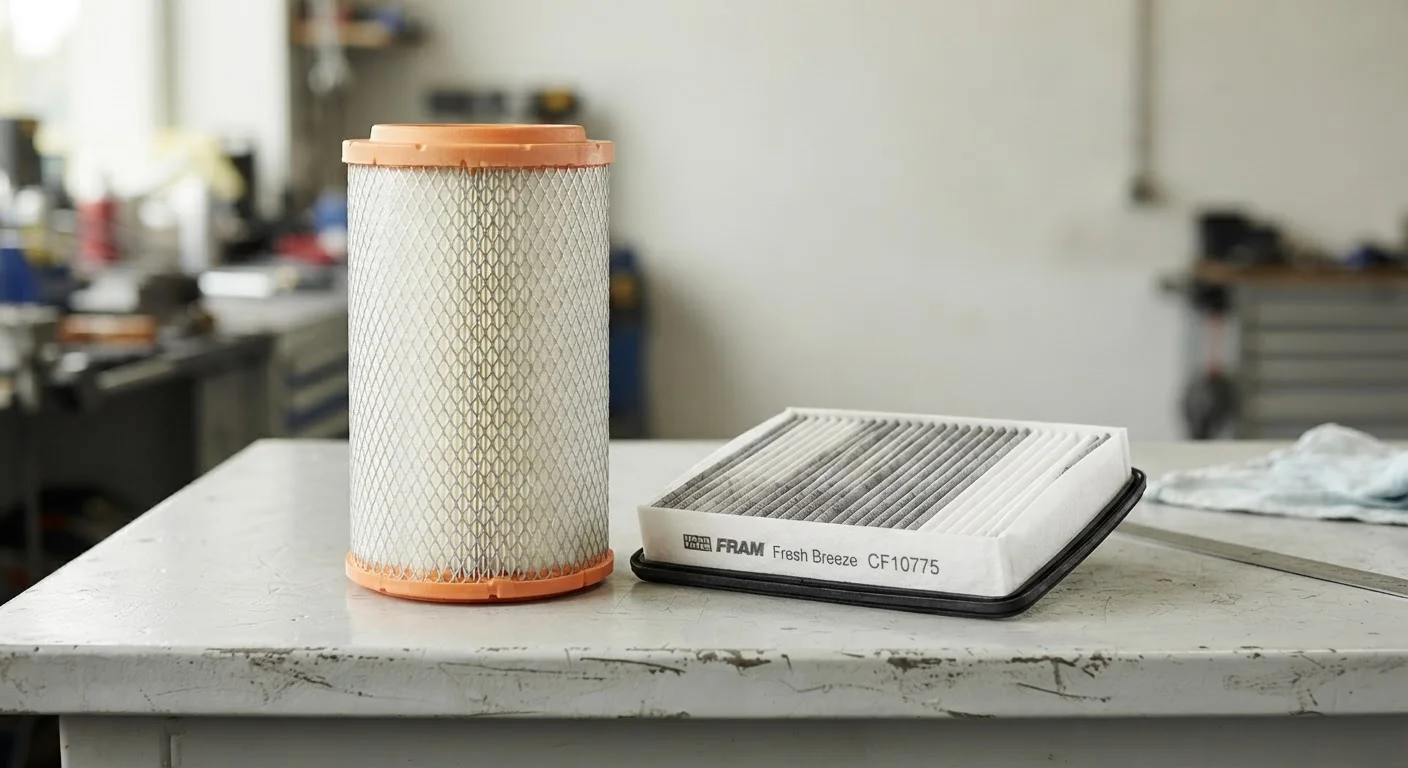
- Air filter replacement - A clogged filter restricts airflow, reducing power and fuel economy.
- Spark plugs - Worn plugs cause misfires, rough idling, and increased emissions.
- Drive belts - Serpentine and timing belts have finite service lives; a snapped timing belt can destroy an engine.
Always reference your owner's manual for oil change intervals - modern synthetic oils often allow longer intervals than the old "every 3,000 miles" guideline, and over-servicing is wasted money.
Manufacturer intervals are engineered for your specific engine and oil specification; generic rules of thumb were established for older vehicles using conventional oil.
When a warning light comes on, note exactly what driving conditions preceded it - engine load, temperature, recent fuel fill - before you describe the problem to a mechanic. This context can cut diagnostic time significantly.
Intermittent faults are notoriously difficult to reproduce in a shop; a precise description of when the symptom appeared helps technicians narrow down the cause quickly.
If you're new to what lives under the hood, our plain-English under-the-hood guide covers these components in accessible detail.
Brakes, Tires, and Suspension
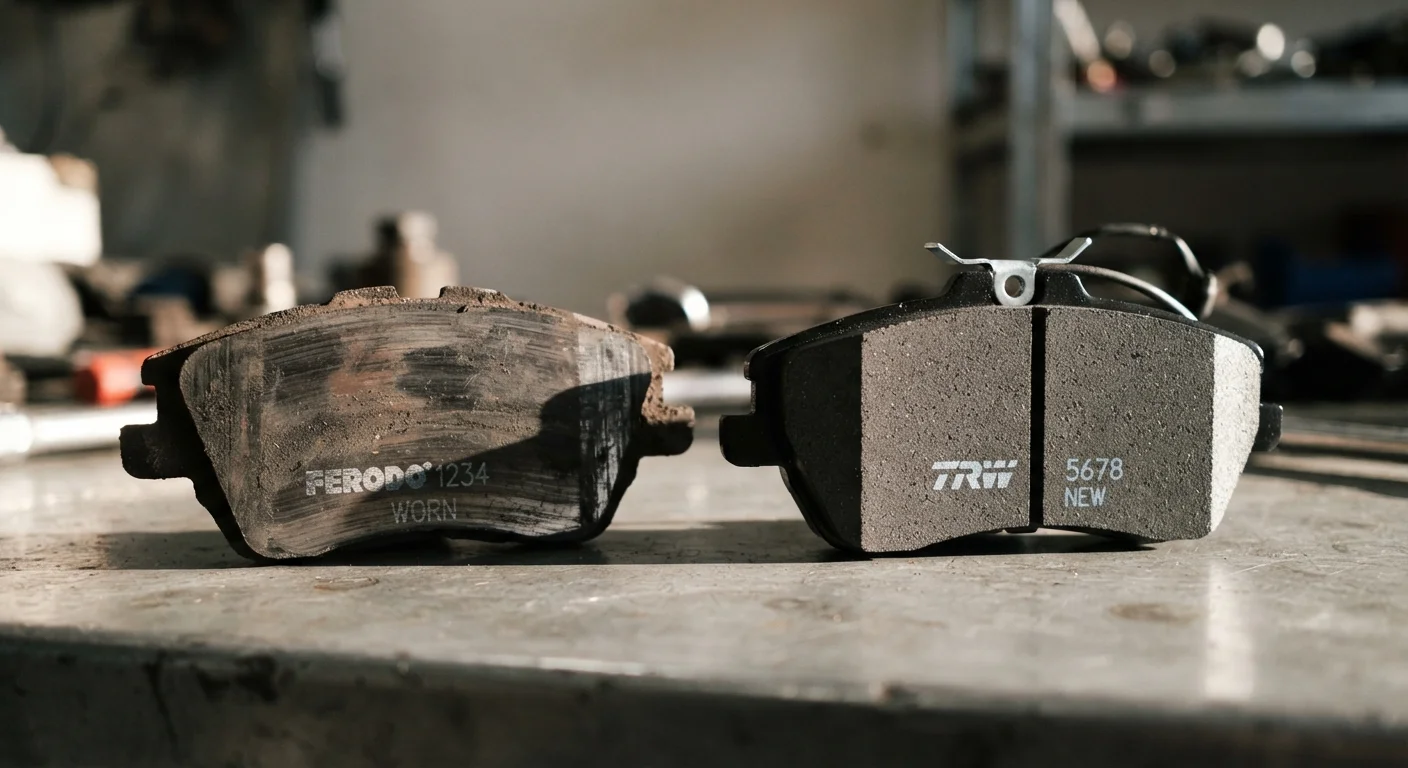
No vehicle systems are more safety-critical than those that stop and steer the car. Brake pads wear gradually, and most modern vehicles emit a high-pitched squeal when pads reach their wear indicator. Ignoring that sound leads to metal-on-metal contact, which damages rotors and greatly increases stopping distances.
Tires are the only part of your vehicle touching the road. Tread depth, air pressure, and balance all affect handling, braking, and fuel economy. The penny test - inserting a penny into the tread with Lincoln's head down; if you see the top of his head, tread is dangerously low - is a simple field check. Proper inflation should be verified monthly against the sticker inside the driver's door jamb, not the number printed on the tire sidewall (which is a maximum, not a target).
Suspension components - shocks, struts, control arm bushings - absorb road impacts and keep tires in proper contact with the pavement. A vehicle that bounces excessively after a bump, pulls to one side, or produces clunking sounds on rough roads warrants a suspension inspection. Safe driving habits depend on these systems functioning correctly.
Electrical, Cooling, and Transmission
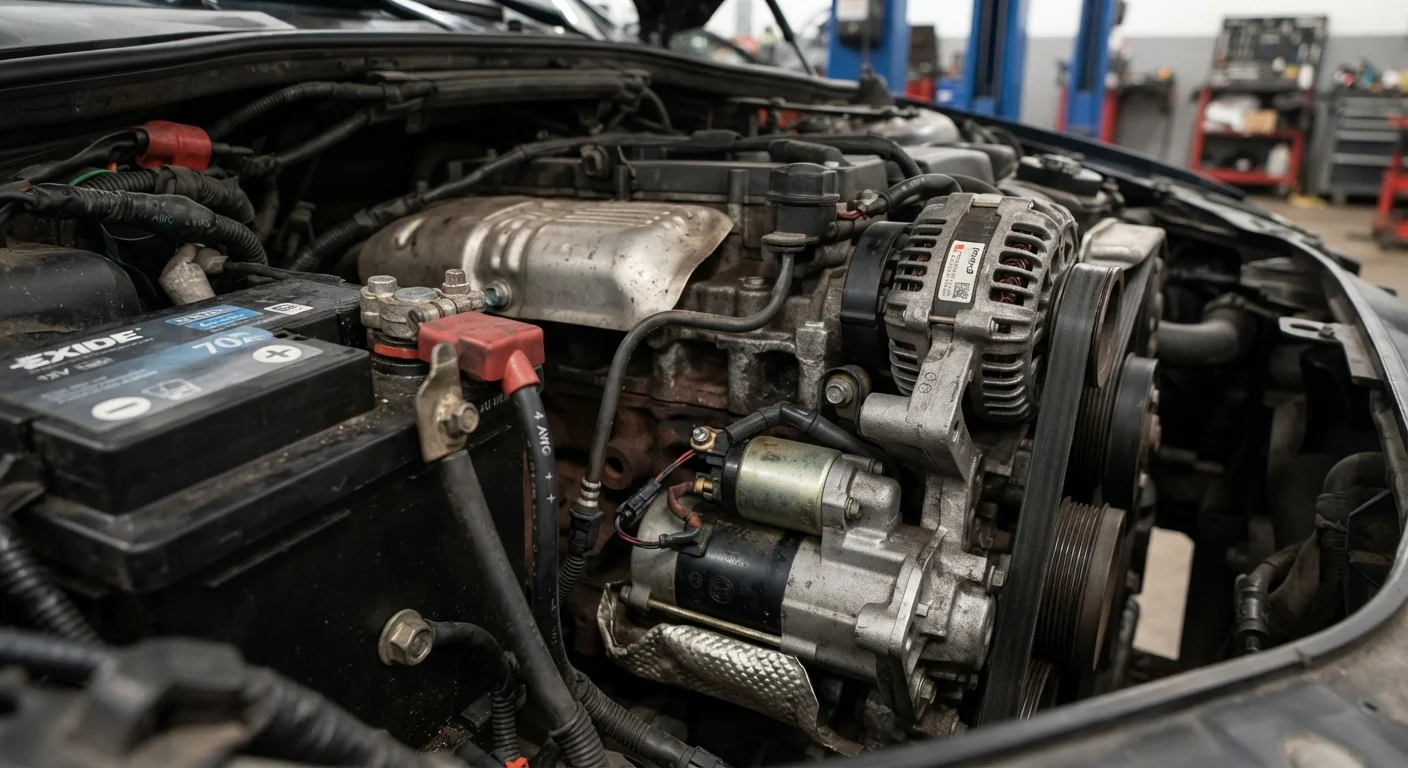
Electrical system: The battery, alternator, and starter form a triangle that gets your car running and keeps it running. Batteries typically last three to five years depending on climate and usage. A battery showing signs of slow cranking or requiring frequent jump-starts is approaching end of life. Extreme cold is especially hard on batteries - a consideration worth factoring into your seasonal vehicle care routine.
Cooling system: Overheating is one of the fastest ways to cause catastrophic engine damage. The cooling system - radiator, thermostat, water pump, hoses, and coolant - regulates engine temperature. Coolant should be flushed and replaced on a schedule; over time it becomes acidic and loses its protective properties.
Transmission: Automatic transmissions depend on clean fluid to shift smoothly. Transmission fluid that has turned dark or smells burnt signals breakdown. Manual transmissions require periodic clutch inspection and adjustment. Both benefit from avoiding overloading the drivetrain and from smooth, deliberate gear changes where applicable.
Fluids: The Lifeblood of Every System
Every major vehicle system depends on at least one fluid to function. Letting any of them drop too low or degrade beyond use can trigger cascading failures across interconnected components.
| Fluid | Function | Watch For |
|---|---|---|
| Engine oil | Lubrication and heat reduction | Dark color, gritty texture, low level |
| Coolant | Temperature regulation | Rust color, low level, sweet smell of leak |
| Brake fluid | Hydraulic pressure transfer | Soft pedal, moisture contamination |
| Transmission fluid | Gear lubrication and shifting | Dark color, burnt smell |
| Power steering fluid | Assists steering effort | Whining noise when turning |
| Windshield washer fluid | Visibility cleaning | Empty reservoir |
Checking fluid levels is among the simplest, lowest-risk maintenance tasks any driver can do. If you're weighing which jobs to handle yourself versus delegating to a shop, our guide to DIY car maintenance boundaries offers a practical framework.
Building a Maintenance Mindset
Understanding your car's systems is only useful if it translates into action. A few practical habits make a significant difference over years of ownership:
- Read the owner's manual - The manufacturer's maintenance schedule is the authoritative source for your specific vehicle, not generalized internet advice.
- Keep written records - Log every service with date, mileage, and work performed. This protects you in warranty disputes and improves resale value.
- Pay attention to change - New sounds, smells, or vibrations are your car communicating a problem. Investigate promptly rather than waiting for a warning light.
- Find a trustworthy mechanic before you need one urgently - Rushed decisions under pressure often lead to poor outcomes.
When you're evaluating a used vehicle, maintenance history is equally important. A vehicle history report can reveal patterns of neglect or undisclosed incidents, though it should be paired with a pre-purchase inspection by a qualified mechanic for a complete picture.
Keeping a vehicle roadworthy for the long haul isn't about doing everything perfectly - it's about staying consistent, staying observant, and acting on what you notice before small issues become expensive ones.