What a Vehicle History Report Actually Contains
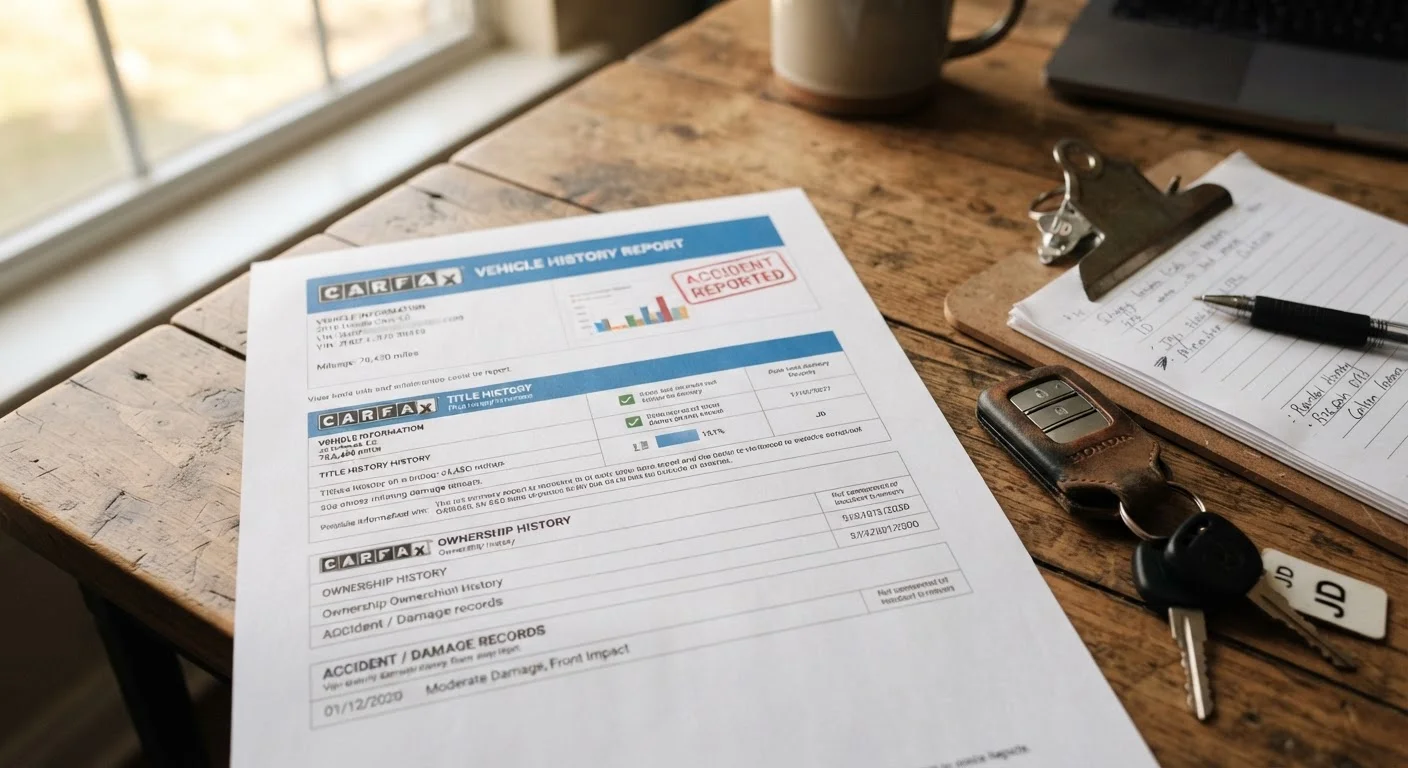
A vehicle history report aggregates data from a range of sources - state DMVs, insurance companies, auto auctions, police agencies, and repair shops - to build a timeline of a vehicle's life. The most commonly reported data points include:
- Title records: ownership transfers, branded titles (salvage, flood, rebuilt, lemon law buyback)
- Reported accidents: events filed with insurance companies or recorded by law enforcement
- Odometer readings: snapshots taken at registration and inspection points
- Recall status: open or completed manufacturer safety recalls
- Auction records: vehicles sold through wholesale channels often carry condition notes
- Service history: maintenance records submitted by participating dealerships or repair chains
This information is compiled and cross-referenced using a vehicle's 17-digit VIN. For buyers comparing a used car against what a seller claims, a report can confirm - or contradict - the story. See our guide to new vs. used car trade-offs for context on why history matters more when buying used.
The Real Advantages of Running a Report
When used correctly, vehicle history reports offer meaningful protection against some of the most common used-car pitfalls.
Surfaces branded titles quickly and reliably
Salvage, flood, and rebuilt titles are recorded at the state level and typically appear in reports. Catching a branded title early protects buyers from hidden structural or electrical risk.
Reveals reported accident history
Insurance-filed collision claims and law enforcement reports feed into history databases, giving buyers a documented record of significant incidents the seller may not volunteer.
Detects potential odometer rollbacks
By aggregating mileage readings across multiple registration and inspection events, reports can flag inconsistencies that point to tampered odometers.
Flags open recall campaigns
Many reports include recall data tied to the VIN, helping buyers identify safety issues that may not yet have been addressed by the current owner.
Confirms ownership transfer history
Knowing how many owners a vehicle has had - and in which states - helps buyers assess whether the car's story matches what's being claimed.
1 in 5
Used vehicles with hidden damage history
Industry estimates suggest roughly one in five used vehicles on the market has damage that does not appear in any history report database.
~450,000
Flood-damaged vehicles in the U.S. annually
NHTSA and industry analysts have estimated hundreds of thousands of vehicles sustain flood damage each year, not all of which receive branded titles.
A branded title - particularly salvage or flood - is one of the clearest disqualifying signals a report can surface. Vehicles with these titles may have been repaired to a drivable state while still carrying serious structural or electrical concerns. Catching this before negotiation gives the buyer clear leverage or a reason to walk away entirely.
Reports are also effective at spotting odometer rollbacks. By comparing readings across multiple recorded events - inspections, registrations, auctions - inconsistencies become visible in ways that a casual inspection would miss.
Where Reports Fall Short
The most important thing to understand about a vehicle history report is that it can only reflect what has been reported and submitted to its data sources. That leaves a significant number of scenarios entirely invisible.
Unreported private repairs stay completely hidden
Damage repaired out-of-pocket without an insurance claim leaves no data trail. A vehicle can show a clean report while still having significant prior collision damage.
Not all repair shops report to databases
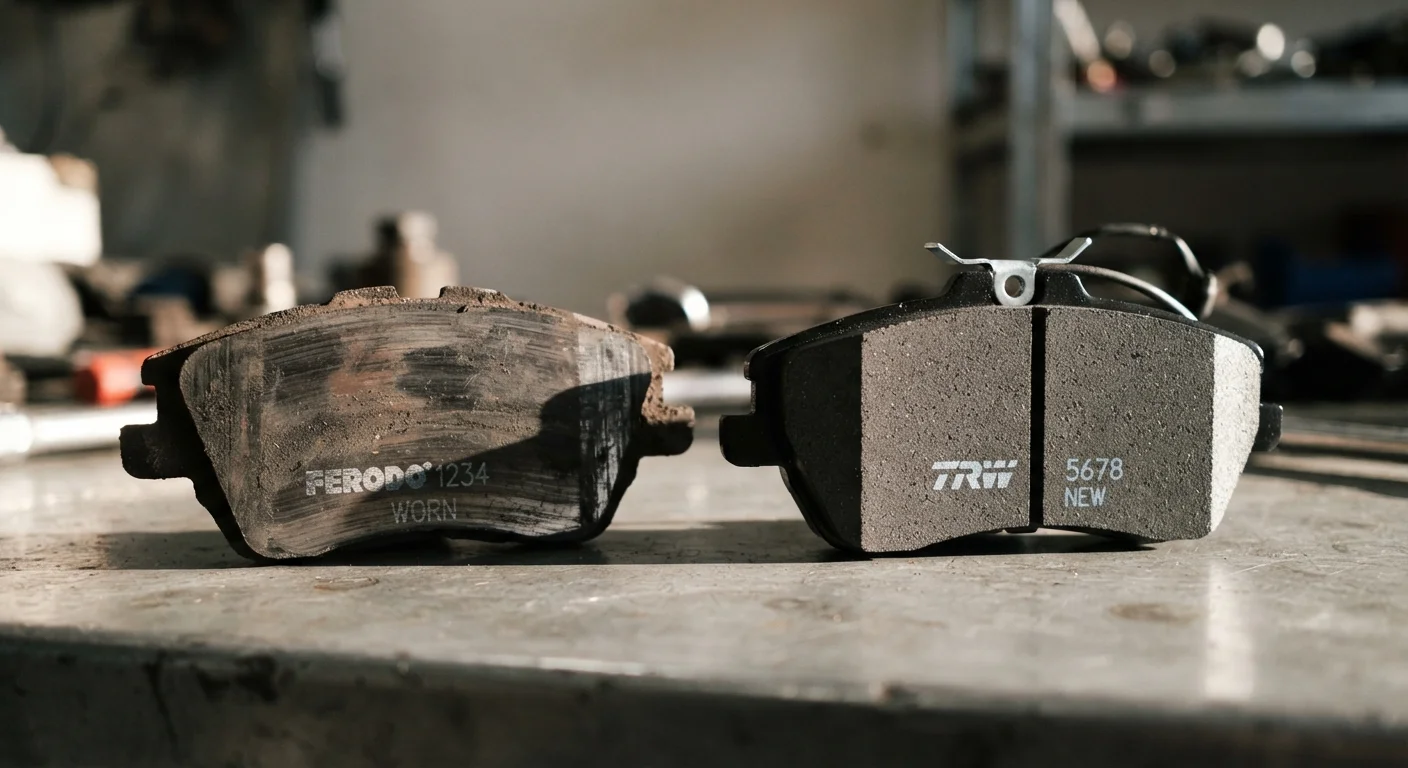
Only participating service providers submit maintenance and repair records. Work done at independent shops or by the owner simply does not appear.
Title laundering can defeat branded-title flags
Registering a salvage vehicle in a state with less stringent title-branding rules can result in a clean title being issued - erasing the prior branded status from future reports.
Report data can lag behind real-world events
There is often a delay between when an event occurs - a crash, a title transfer - and when it is recorded in the databases that reports draw from.
Mechanical condition is not captured
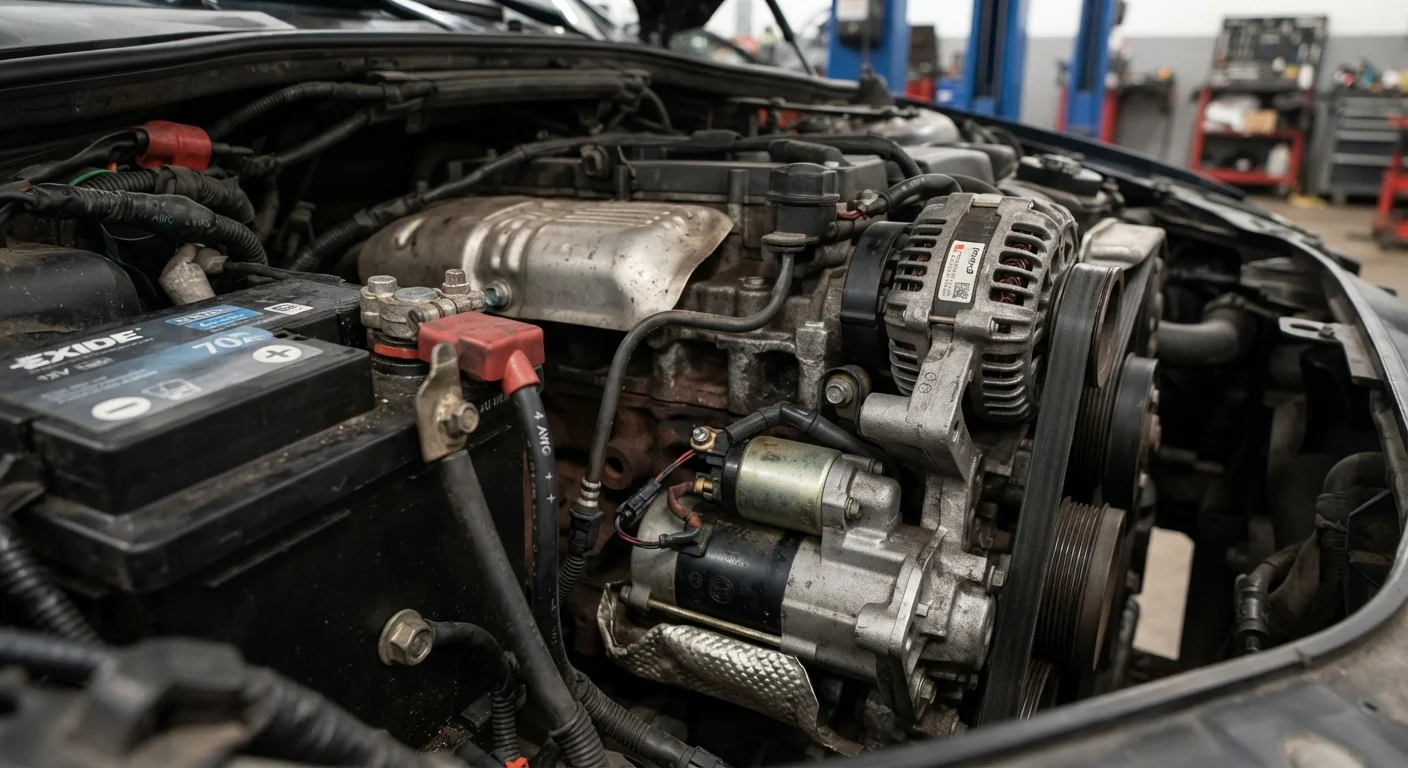
Engine wear, transmission problems, suspension deterioration, and other mechanical issues are entirely outside the scope of any history report.
Cash repairs made at independent shops - or by owners themselves - rarely enter any database. A car that was rear-ended, repaired privately, and repainted can show a perfectly clean report. Similarly, odometer fraud using older analog or non-networked systems may never generate a digital footprint. Title laundering, where a salvage vehicle is re-registered across state lines to shed its branded status, is a known practice that has caught buyers off guard despite a seemingly clean report.
This is why a pre-signing checklist should always include a professional inspection, not just a history report.
How to Use a Report as Part of a Broader Strategy
Think of a vehicle history report as a screening tool rather than a final verdict. Here's how to layer it into a smarter due diligence process:
Free vs. Paid Report Options
The NHTSA's safercar.gov and the National Motor Vehicle Title Information System (NMVTIS) both offer access to basic title and branded-title data at low or no cost. Commercial providers aggregate additional sources - insurance, auctions, service records - for a broader picture. Neither free nor paid reports are complete substitutes for a physical inspection. Verify which data sources any report draws from before placing confidence in its findings.
- Run the report early. Before committing time to a test drive, use the VIN to flag any title issues or major reported events. If something serious surfaces, you can redirect your search without wasting a trip.
- Cross-reference the odometer. Compare the reading shown on the current listing with figures captured in the report at prior registrations or inspections. Large jumps or reversals in mileage are red flags.
- Order a pre-purchase inspection. A qualified mechanic can identify frame damage, hidden corrosion, fluid leaks, and mechanical wear that no database will ever capture. This step is non-negotiable for any significant purchase.
- Check recall status independently. The NHTSA maintains a free recall-lookup tool at safercar.gov - verify this separately rather than relying solely on what the report includes.
For ongoing ownership, understanding a vehicle's full mechanical history becomes just as important after the purchase. Our resource on keeping a car roadworthy for the long haul covers how to stay ahead of maintenance across every major system.