The Case for Doing Some Maintenance Yourself
Taking ownership of basic car maintenance isn't just about saving money - though that's a real benefit. It also means you understand what's happening with your vehicle, catch problems earlier, and aren't entirely dependent on a shop's schedule or pricing for tasks that take minutes to complete yourself.
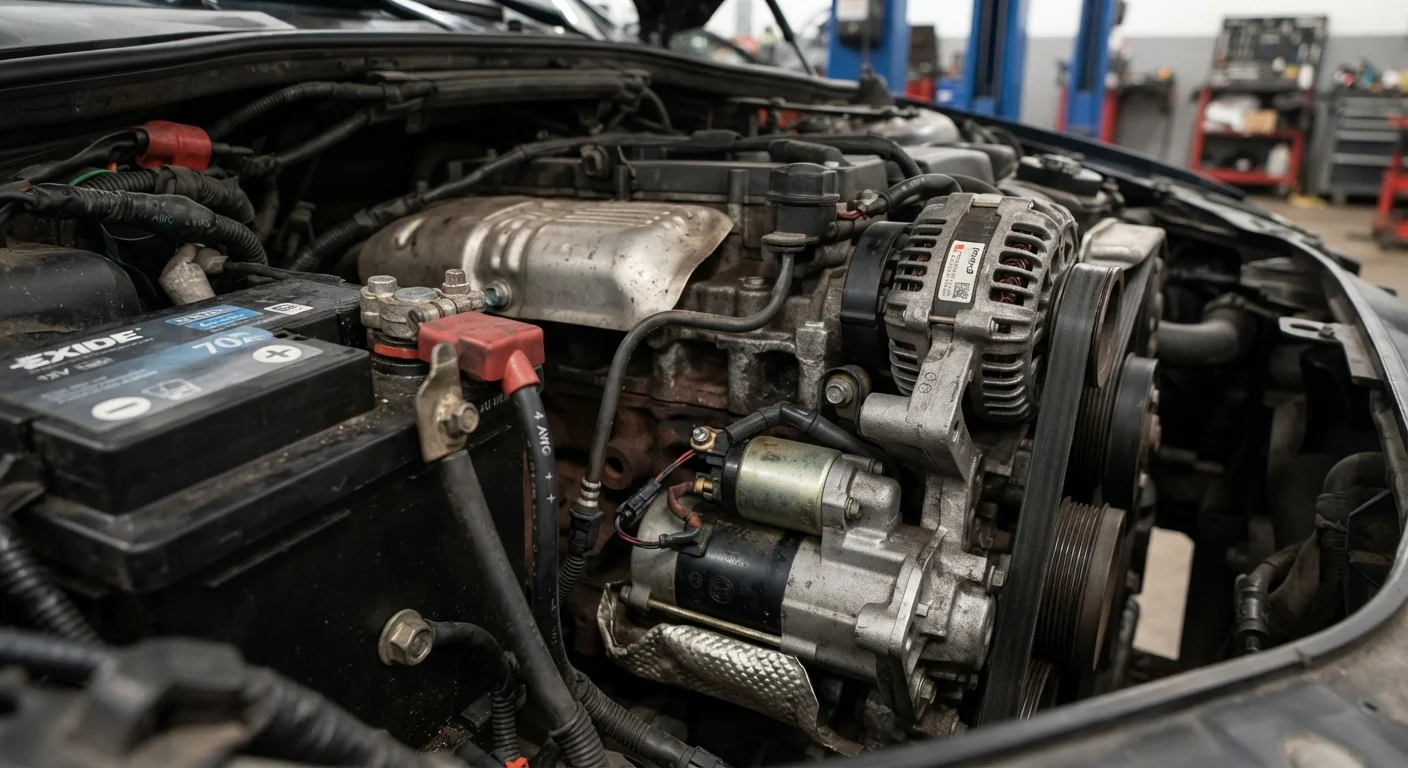
If you've never explored what's under your hood, start with our plain-English guide for first-time car owners - it covers the essential components and fluids every driver should be able to identify.
Saves money on straightforward, recurring tasks
Fluid checks, air filter swaps, and wiper replacements cost a fraction of what a shop charges when done yourself. Over the life of a vehicle, those savings accumulate meaningfully.
Builds genuine knowledge of your vehicle
Drivers who perform basic maintenance are more likely to notice early warning signs - an unusual fluid color, a worn belt, a slow tire - before they become expensive failures.
Gives you control over timing and quality
You can use the fluids and parts your owner's manual specifies, on your own schedule, rather than accepting whatever a quick-lube shop stocks or recommends.
Accessible entry points exist for most skill levels
Tasks like checking tire pressure or replacing a cabin air filter require no mechanical experience, only the willingness to look up the right procedure for your vehicle.
The tasks most suited to DIY share a few common traits: they require minimal specialized equipment, the consequences of a mistake are low or easily corrected, and the steps are clearly documented in most owner's manuals.
What's Genuinely Reasonable to Do Yourself
Several routine maintenance tasks fall well within the reach of most drivers who take the time to learn the basics:
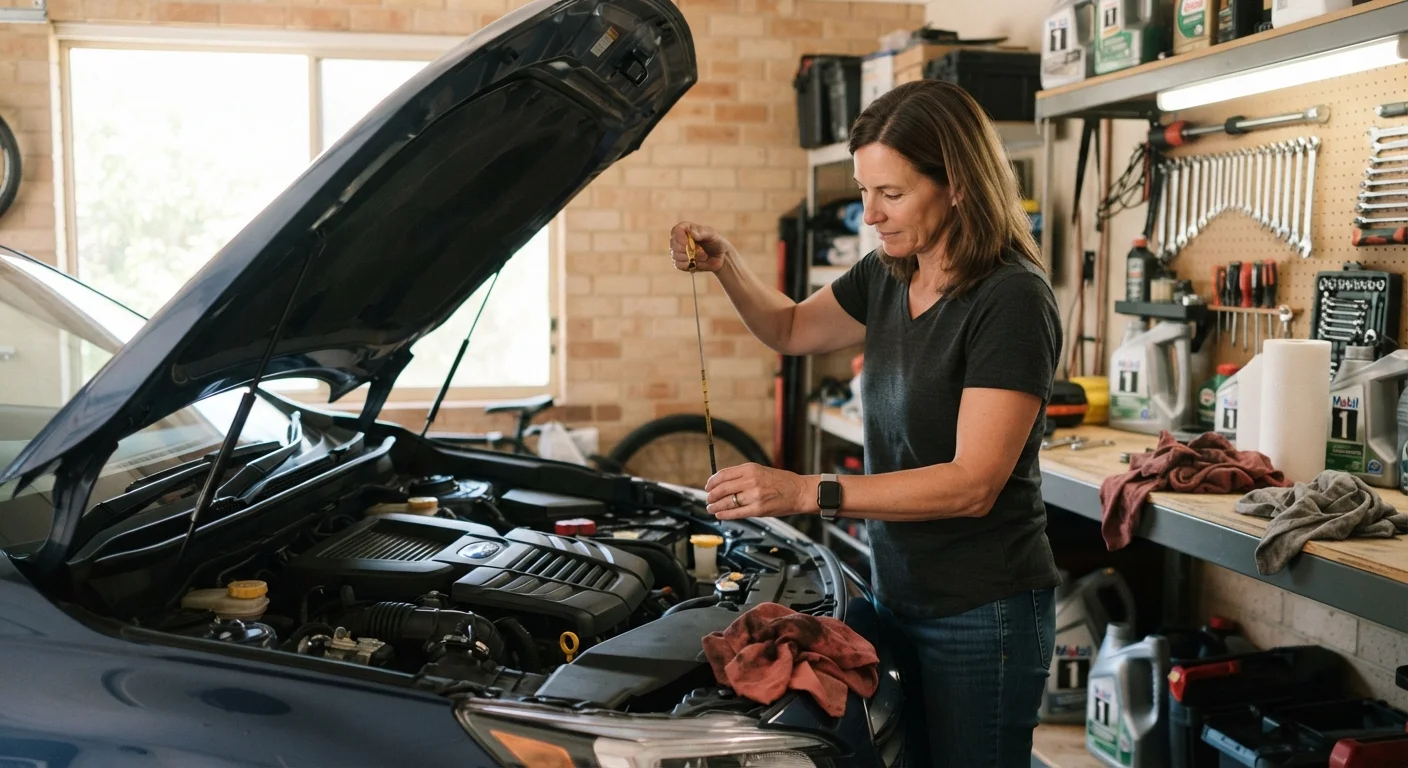
- Checking and topping off fluids - Engine oil, coolant, brake fluid, power steering fluid, and windshield washer fluid are all accessible on most vehicles and easy to inspect. Our guide to fluid checks every driver should know walks through each one.
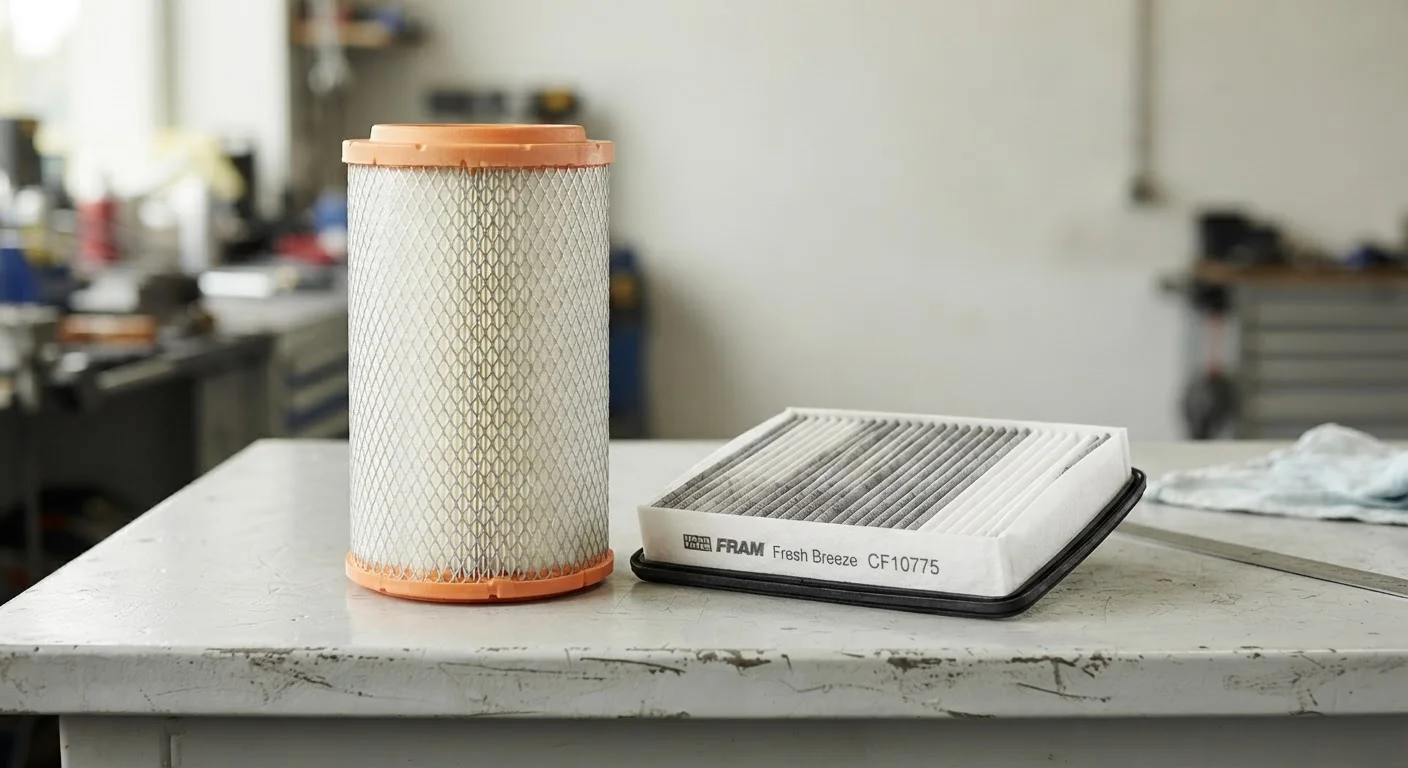
- Replacing engine and cabin air filters - On most vehicles, these are clip-in or screw-in components accessible without special tools. Your owner's manual shows the location and replacement interval.
- Swapping wiper blades - Replacement blades come with instructions and typically snap in without tools.
- Checking tire pressure - A basic tire gauge costs a few dollars. Correct pressure (listed on the driver's door jamb sticker, not the tire sidewall) affects safety, fuel economy, and tire wear.
- Replacing a dead battery - Generally straightforward, though some modern vehicles with advanced electronics require a specific reset procedure afterward. Consult your owner's manual first.
For a broader view of what your car typically needs at major mileage intervals, see our mileage milestone maintenance guide.
Your Owner's Manual Is the Starting Point
Every vehicle has specific requirements for fluid types, filter sizes, and service intervals. Generic advice found online may not apply to your exact make, model, and year. Before attempting any maintenance task, consult your owner's manual - it's typically available as a free PDF download from the manufacturer's website if you don't have a physical copy. When in doubt about a specific procedure, a qualified mechanic is the right resource.
Where DIY Maintenance Creates Real Risk
Some jobs look approachable until something goes wrong - and in certain systems, a mistake doesn't just mean a return trip to the shop. It can mean a dangerous vehicle.
Mistakes on safety-critical systems carry serious consequences
Errors involving brakes, steering, or suspension don't always reveal themselves immediately - but when they do, the results can be dangerous to the driver and others on the road.
Incorrect repairs can cost more than professional service would have
A stripped drain plug, a damaged sensor connector, or an improperly torqued component can turn a simple job into a much more expensive fix at the shop.
Some tasks require tools most drivers don't own
Torque wrenches, OBD-II scanners, brake bleeding kits, and alignment equipment represent real costs. Without the right tools, the job may not be done to spec.
DIY work may affect warranty coverage
Depending on your vehicle's warranty terms, performing certain maintenance tasks yourself - particularly if done incorrectly or without documentation - could complicate a future warranty claim.
Guidance quality online varies widely
Video tutorials and forum posts are not always accurate, up to date, or applicable to your specific make, model, and trim level. Relying on the wrong source increases risk.
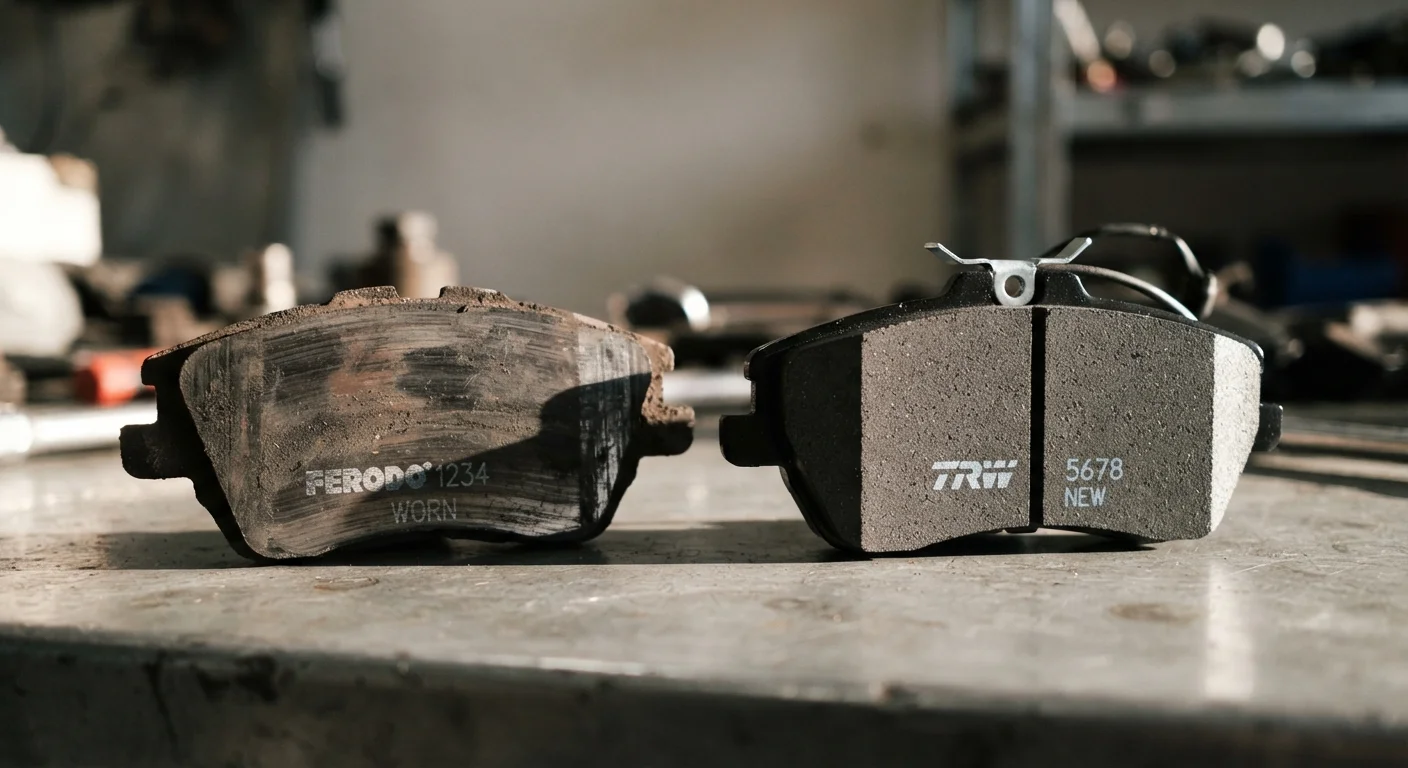
Brake work is the clearest example. Improperly installed brake pads or calipers can fail silently until a hard stop reveals the problem. Similarly, tire rotation is manageable for some drivers - but balancing and alignment require shop equipment and should not be attempted at home.
Fuel system repairs, suspension components, timing belts, and airbag systems all belong in the same category: real consequences for error, and usually a need for specialized tools or calibration equipment that most drivers don't own.
It's also worth checking whether DIY repairs on a vehicle still under warranty could affect your coverage. Read your warranty terms carefully before proceeding with anything beyond basic fluid checks.
Making Smarter Decisions About Each Job
A useful mental checklist before starting any DIY maintenance task:
- What does the owner's manual say? It's the definitive source for your specific vehicle - not a generic YouTube video made for a different model year.
- Do I have the right tools? Improvising with the wrong tools increases risk and can damage components.
- What happens if I make a mistake? A misrouted air filter is easily corrected. An improperly bled brake line is not.
- Is this task regulated or permitted in my area? Some emissions-related repairs, for example, may need to be documented by a licensed shop for inspection purposes.
Staying informed also means questioning common assumptions. Our article on car maintenance myths that cost drivers money covers several widely repeated beliefs that can lead drivers to unnecessary spending or misplaced confidence.
Understanding your car's full maintenance picture - what each system does and how it ages - is covered in depth in our comprehensive roadworthiness guide.