Why Brake Pad Lifespan Varies So Widely
Brake pads don't wear out on a fixed schedule. Depending on driving habits, vehicle type, and parts quality, pads can last anywhere from 25,000 to over 70,000 miles - a range wide enough that many drivers are caught off guard when replacement comes early. Understanding what drives that variance puts you in control of both your safety and your maintenance budget.
It's also worth noting that premature pad wear rarely has a single cause. More often, it's a combination of habits and overlooked maintenance items compounding over time. The mistakes below are among the most common culprits - and all of them are preventable.
The Most Common Mistakes Behind Early Brake Pad Wear
From how you drive to the parts chosen at the shop, several factors work against your brake pads' longevity. Recognizing these patterns is the first step toward extending the life of your braking system.
Aggressive, late braking at high speeds - waiting until the last moment to apply heavy brake pressure instead of slowing gradually.
Why it happens: City driving, highway merges, and inattention can all push drivers into reactive braking patterns without them realizing it's become a habit.
Riding the brake pedal with light, continuous pressure rather than braking decisively and releasing.
Why it happens: Many drivers rest their left foot on the brake out of habit, especially those transitioning from automatic to manual vehicles or who feel more in control with a foot near the pedal.
Replacing brake pads without inspecting or resurfacing the rotors at the same time.
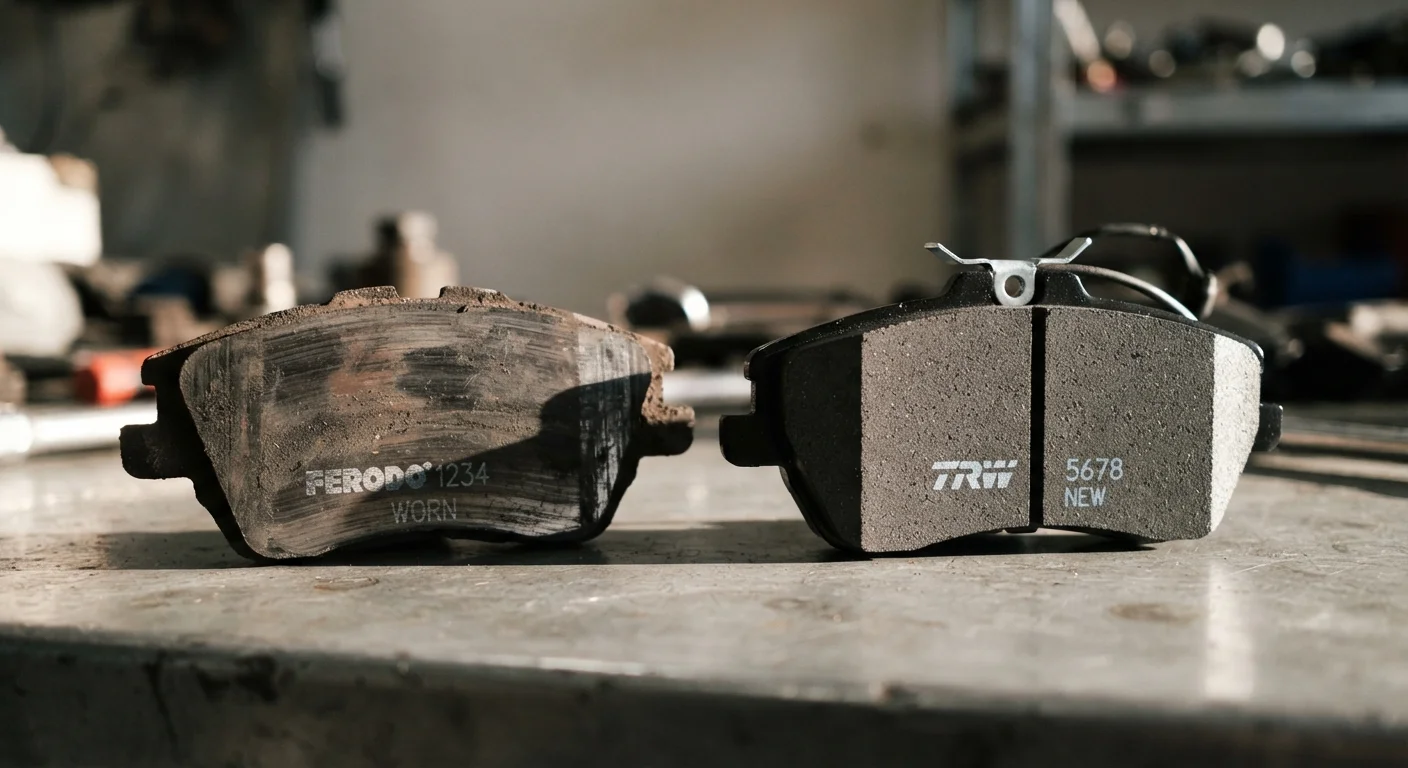
Why it happens: To save money or time, some drivers - or even shops - install fresh pads onto rotors that are grooved, glazed, or warped from the previous worn-out pads.
Choosing the cheapest available brake pads without considering compound quality or vehicle suitability.
Why it happens: Budget pads look identical on the shelf to mid-range options, and the price difference feels like an easy saving - especially when the job is already costing money.
Neglecting a sticking brake caliper, which keeps the pad pressed against the rotor even when your foot is off the pedal.
Why it happens: Caliper issues develop gradually and can be mistaken for normal brake feel - drivers don't always notice the subtle drag or slight pull until pad wear becomes extreme.
It's worth pairing this knowledge with a broader understanding of automotive maintenance. Some common beliefs - like assuming that certain routine inspections aren't necessary - can quietly cost you more in the long run. For more on that, see car maintenance myths that cost drivers money.
Don't Ignore Grinding or Pulsation
If your brakes are grinding metal-on-metal or the pedal pulses when you stop, your pads may be completely worn through. Continuing to drive in this condition can damage rotors and calipers - turning a straightforward pad replacement into a significantly more expensive repair. Have your vehicle inspected by a qualified mechanic as soon as possible.
What to Watch For Before It Gets Expensive
Brake pads give you warning signs before they fail completely. A high-pitched squeal during normal braking often indicates the wear indicator - a small metal tab built into the pad - is contacting the rotor. That sound is by design: it's telling you service is due. A grinding noise, on the other hand, typically means the pad material is gone and metal is contacting metal directly.
Other signs include a longer stopping distance than you're used to, vibration through the pedal or steering wheel during braking, or the vehicle pulling to one side when you apply the brakes. None of these should be ignored or monitored passively - each one warrants a prompt inspection by a qualified mechanic. Addressing wear early keeps rotor and caliper damage out of the equation, and that distinction can mean the difference between a modest repair and a significantly larger one.
This article is for general informational purposes. Always consult a qualified mechanic for vehicle-specific maintenance advice and safety inspections.