Why Long-Term Ownership Pays Off
The average new vehicle loan runs five to six years. Once that final payment clears, many owners immediately start shopping for something newer - and in doing so, give up one of the most financially rewarding phases of car ownership. A vehicle that is fully paid off but still mechanically sound represents real monthly savings, and those savings compound quickly over time.
Long-term ownership does require intentional upkeep. But when you compare the annual cost of maintaining an older paid-off vehicle against the combined expense of monthly loan payments, higher insurance premiums, and immediate depreciation on a new purchase, the math usually favors keeping what you have. If you're curious how ownership compares to the alternative, understanding how leasing works can put the trade-offs in sharper perspective.
Build Your Maintenance Habits Early
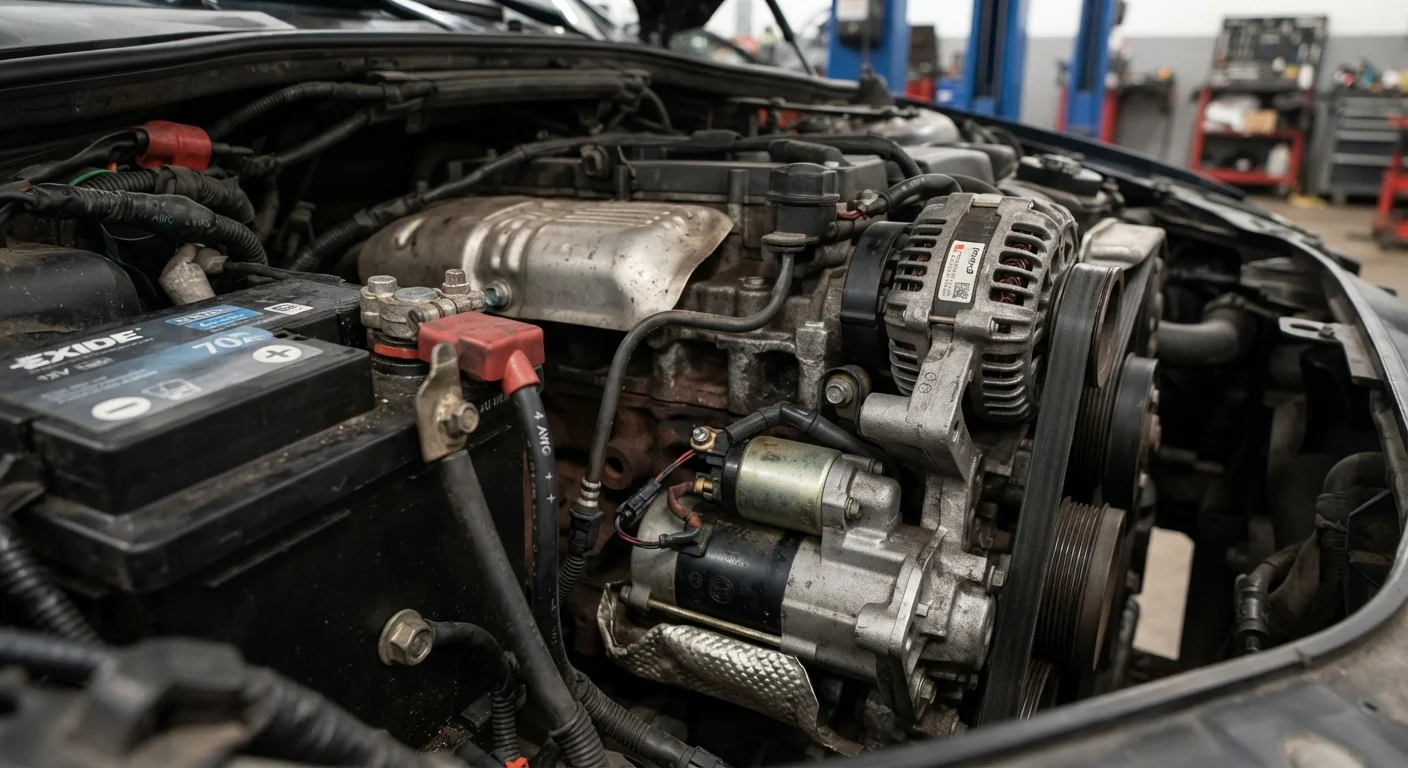
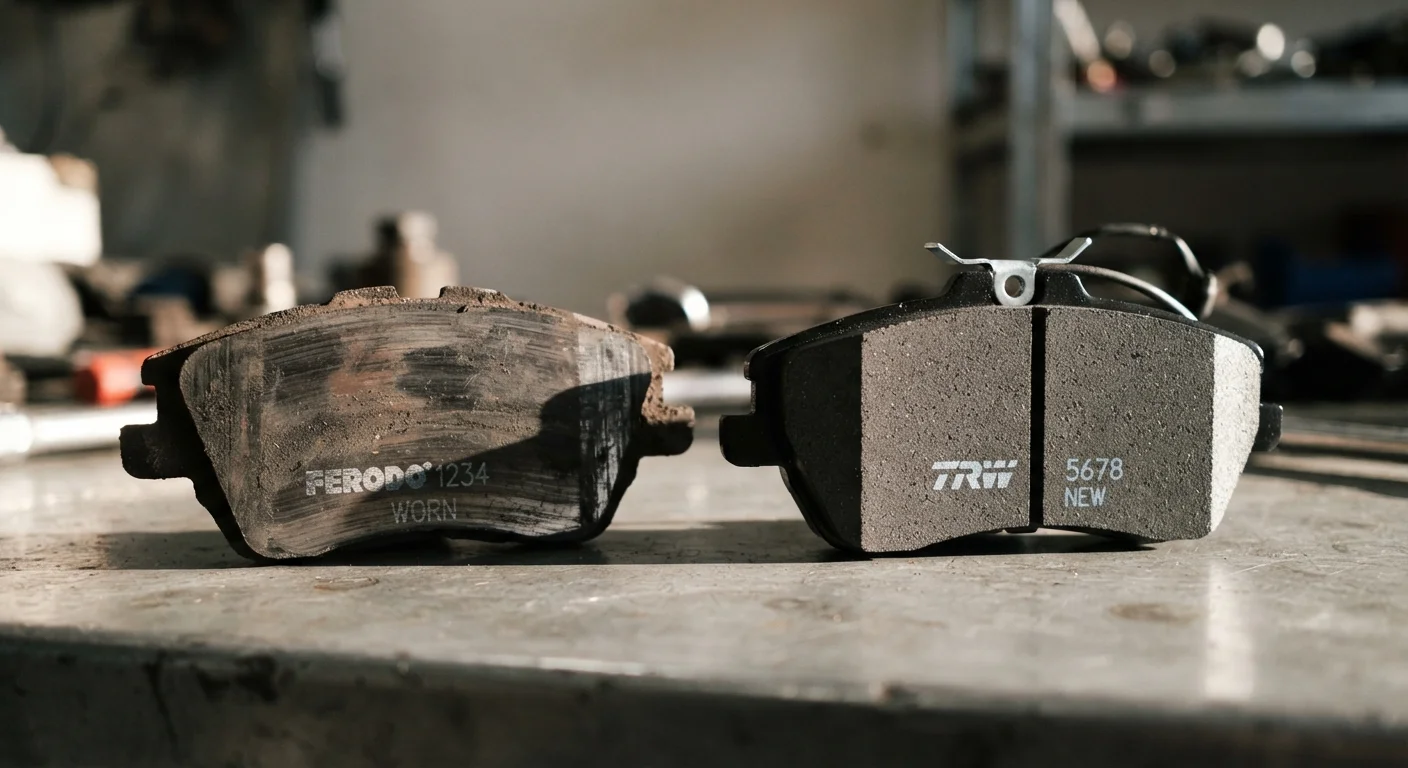
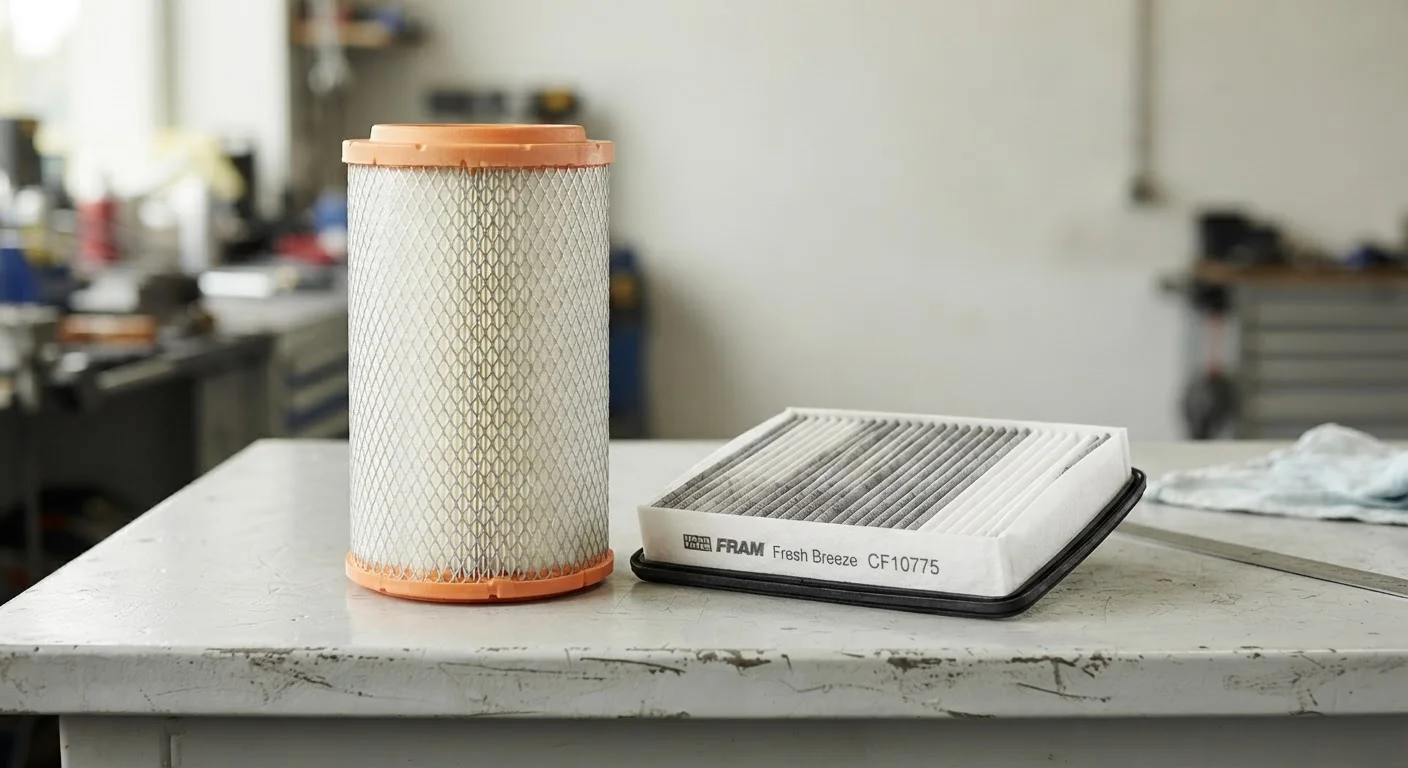
The foundation of affordable long-term ownership is consistency. Vehicles that are serviced on schedule - oil changes, fluid checks, filter replacements, brake inspections - simply last longer and cost less to run. Deferred maintenance rarely saves money; it shifts smaller costs into larger, more urgent ones.
Your owner's manual contains a manufacturer-recommended maintenance schedule tailored specifically to your vehicle. Follow it. For a practical milestone-by-milestone reference, car maintenance at every major mileage mark outlines what typically needs attention at 30k, 60k, 90k miles, and beyond. You should also be aware that some widely repeated maintenance habits waste money rather than protect your car - common car maintenance myths covers several beliefs that don't hold up under scrutiny.
For a full picture of every system in your vehicle - how it ages and what warning signs to watch for - keeping a car roadworthy for the long haul is a comprehensive resource worth bookmarking.
Follow the manufacturer's maintenance schedule without skipping intervals.
Manufacturers design service intervals based on engineering data about how components wear. Skipping or delaying scheduled maintenance accelerates wear and can void remaining warranty coverage, turning preventable issues into costly repairs.
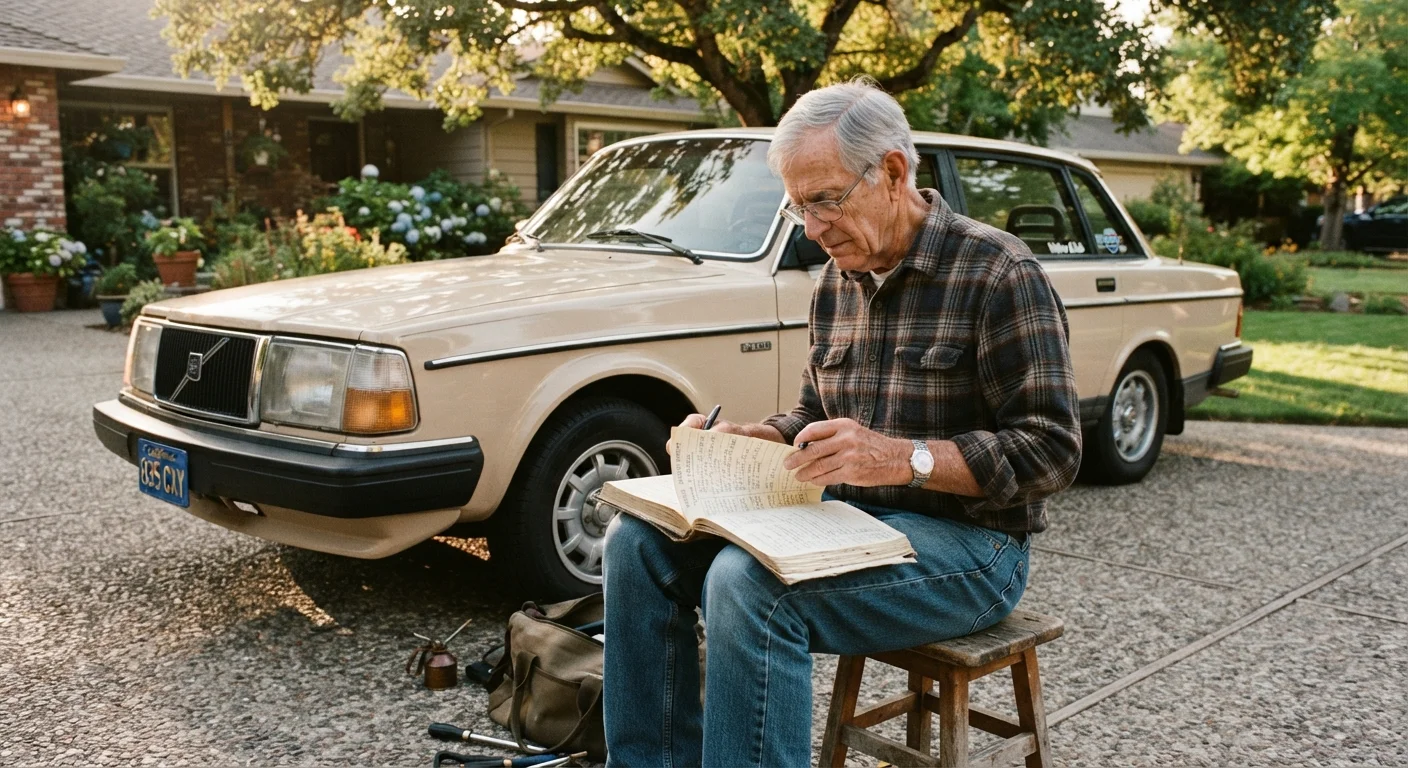
Create and maintain a written repair and service history for your vehicle.
A clear log tells you exactly what has been done and when, helps mechanics diagnose recurring issues faster, and provides documented proof of care that protects resale or trade-in value when the time comes.
Set up a dedicated savings fund specifically for vehicle expenses.
Unexpected repairs are not a question of if but when. Having a dedicated reserve means a sudden repair bill doesn't force you into high-interest financing or the decision to defer a safety-related fix.
Address warning lights and small issues before they escalate.
Many costly repairs start as minor problems that are ignored. A check engine light indicating a minor sensor fault, for example, can mask worsening conditions if left unread, leading to cascading damage.
Monitor tire condition and pressure consistently.
Tires affect fuel economy, handling, and braking distance. Underinflated or unevenly worn tires degrade safety and wear out faster, increasing replacement frequency and overall cost.
Managing the Financial Side After the Loan Ends
When your monthly payment disappears, resist the temptation to absorb that money back into general spending. Instead, redirect some or all of it into a dedicated vehicle reserve fund. Even setting aside a modest amount monthly builds a buffer that makes an unexpected $800 repair feel manageable rather than catastrophic.
It's also worth auditing your insurance coverage at this stage. Lenders typically require comprehensive and collision coverage while a loan is active. Once you own the vehicle outright, the calculus changes - whether to maintain full coverage depends on your vehicle's current value, your financial cushion, and your risk tolerance. Speak with a licensed insurance professional to weigh the options for your situation.
First-time owners are sometimes blindsided by costs that don't get mentioned at the dealership. ownership costs that catch buyers off guard - from registration fees to tire replacement - are worth understanding before they appear on a bill.
Knowing When to Keep - and When to Move On
No vehicle lasts forever, and part of smart long-term ownership is recognizing when continuing to repair a car stops making financial sense. A useful rule of thumb: if a single repair costs more than the vehicle is currently worth, or if repair bills are recurring month after month and collectively approaching that threshold, it may be time to evaluate your options.
That said, this calculation isn't purely about dollars. Reliability matters too. A car that leaves you stranded or requires repeated unplanned visits to a shop carries real costs in time, stress, and safety. Keep a simple log of every repair and its cost - over a year, patterns become clear. The car maintenance hub is a good ongoing reference as your vehicle ages and its needs evolve.
Safe operation is always the priority. If aging components begin to affect braking, steering, or visibility, those issues need to be addressed promptly - both for your safety and for the safety of others on the road. For broader guidance on staying safe behind the wheel, the safe driving resource hub covers the habits and rules that matter most.