What Each Filter Actually Does
Despite sharing a name and a basic function - filtering out contaminants - the cabin air filter and the engine air filter serve entirely separate systems in your vehicle.
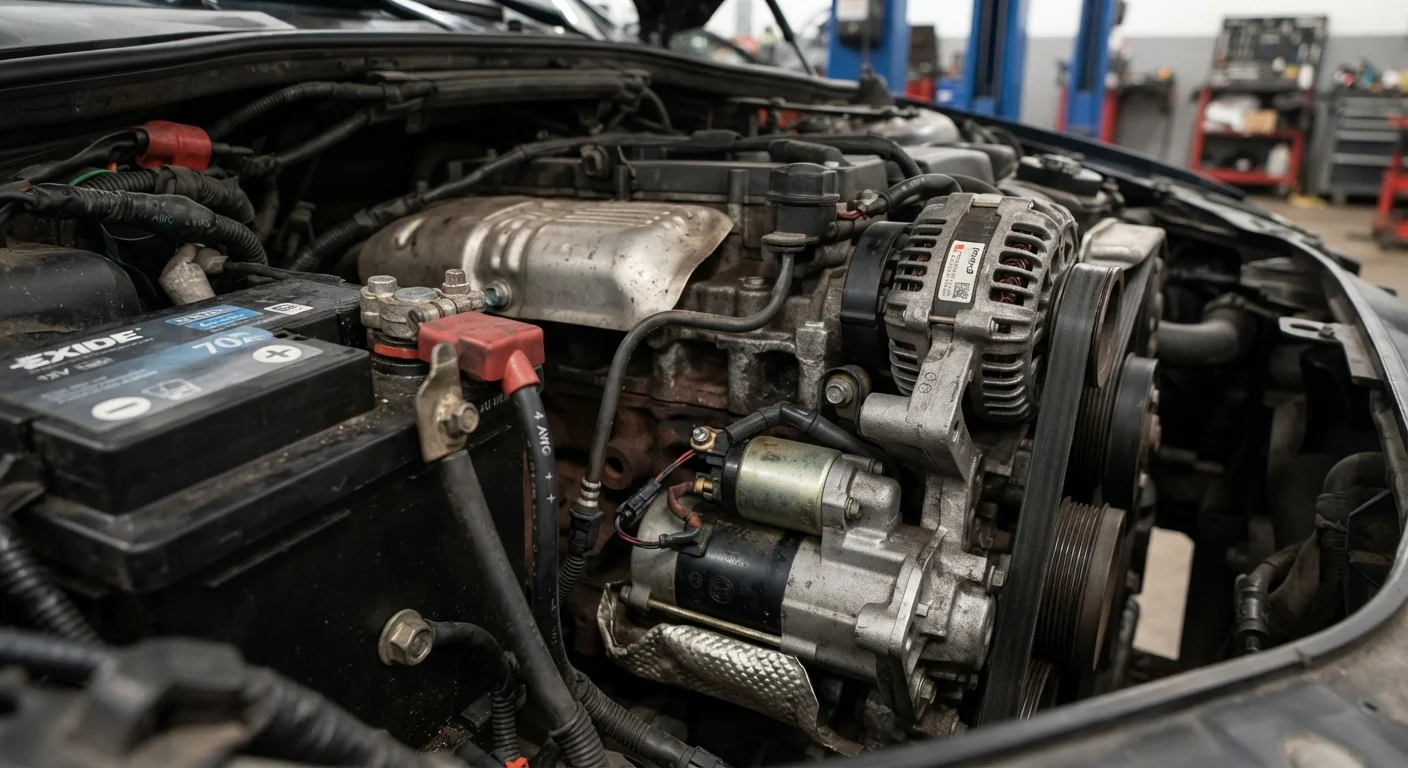
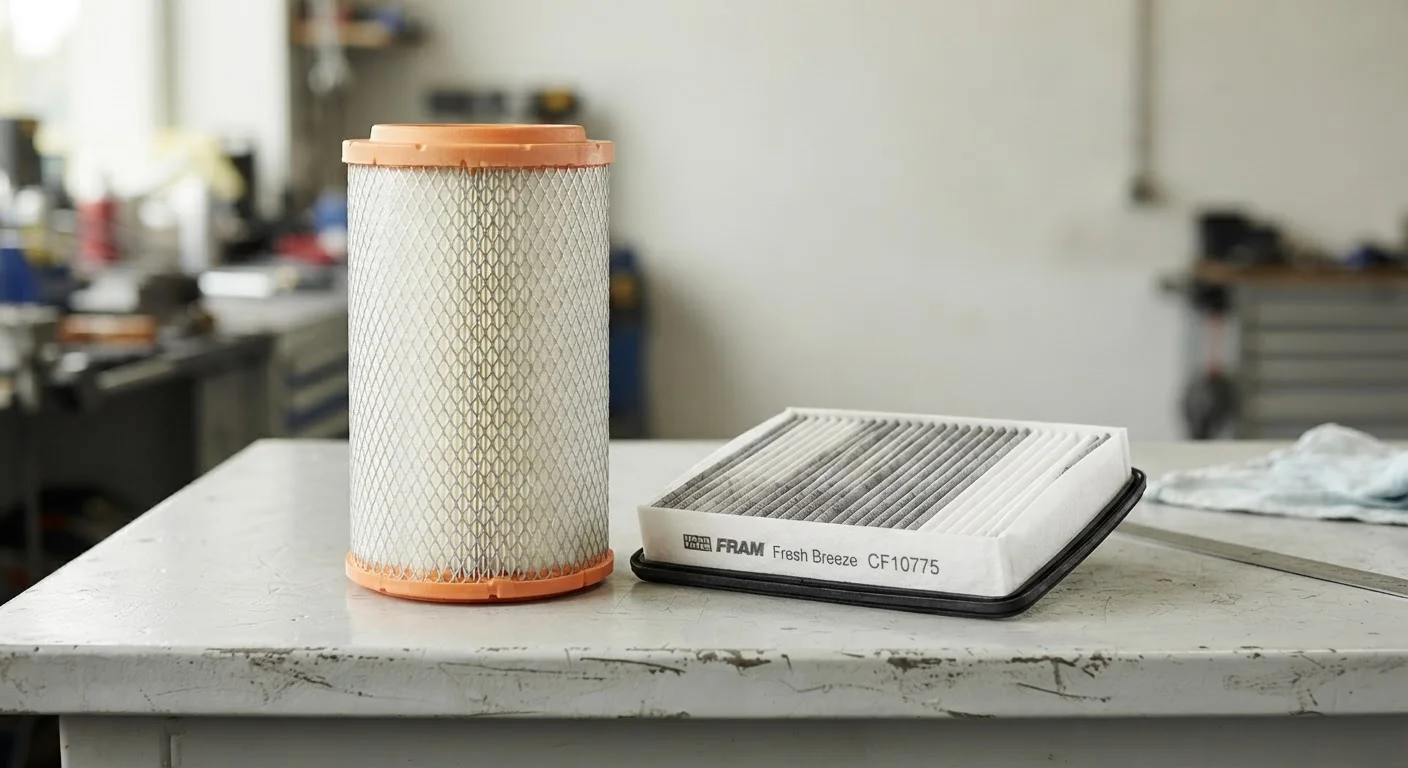
The engine air filter sits in the engine intake system, typically housed in a plastic airbox under the hood. Its job is to trap dust, dirt, pollen, and debris before incoming air mixes with fuel for combustion. Without it, abrasive particles would enter the engine and cause premature wear on cylinders, pistons, and other internal components. It's a first line of defense for one of your vehicle's most expensive assemblies.
The cabin air filter, by contrast, is positioned in the HVAC (heating, ventilation, and air conditioning) system - most commonly behind the glove box, under the dashboard, or beneath a cowl panel near the windshield. It filters the air that enters the passenger compartment through the climate control system. A functional cabin air filter catches pollen, dust, mold spores, and fine particulates before they reach the vents, keeping the air inside the car cleaner for everyone aboard.
The core distinction: one protects your engine's mechanical health, the other protects your breathing environment.
Side-by-Side Comparison
Understanding the differences at a glance makes it easier to track both maintenance tasks without confusing one for the other.
| Criterion | Cabin Air Filter | Engine Air Filter |
|---|---|---|
| What it protects | Passenger compartment air quality | Engine internals from debris |
| Location in vehicle | HVAC system (behind glove box or dash) | Engine intake airbox under the hood |
| Typical replacement interval | ~12,000-15,000 miles | ~15,000-30,000 miles |
| Symptoms when clogged | Weak airflow, musty odors from vents | Reduced power, lower fuel economy |
| DIY accessibility | Moderate - varies by model | Generally easy - under the hood |
| Impact if neglected | Poor interior air quality, HVAC strain | Engine wear, performance degradation |
Because these filters operate independently, neglecting one has no bearing on the condition of the other. They must each be monitored and replaced on their own schedules.
Replacement Timelines and Warning Signs
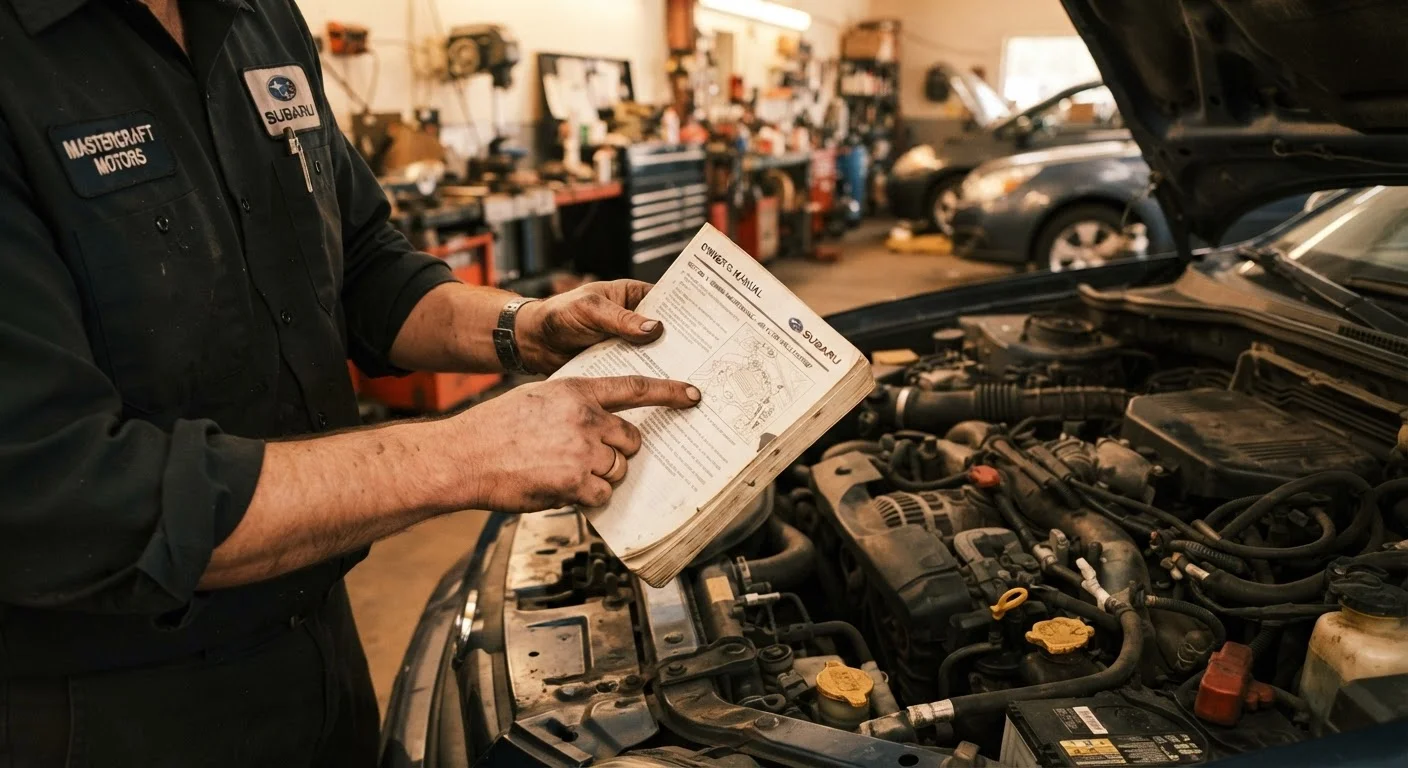
There's no universal replacement interval that applies to every vehicle, driver, or environment. Manufacturer recommendations vary, and real-world conditions - such as driving on unpaved roads, living in a high-pollen area, or commuting through heavy traffic - can shorten either filter's useful life considerably. Always refer to your owner's manual as the starting point.
Engine Air Filter
Many manufacturers suggest inspecting the engine air filter every 15,000 to 30,000 miles, with replacement when it appears heavily soiled or restricted. Drivers in dusty or rural environments may need to change it more frequently. Warning signs include a noticeable drop in acceleration, reduced fuel economy, or a visibly gray or black filter element during inspection.
Cabin Air Filter
Cabin air filters are often recommended for replacement every 12,000 to 15,000 miles, though again this varies. Drivers with allergies or those navigating heavy urban traffic may benefit from more frequent changes. Common signals include musty or unpleasant odors from the vents, reduced airflow even at high fan settings, and increased dust accumulation on interior surfaces.
Check Your Owner's Manual First
Replacement intervals listed online are general guidelines, not guaranteed specifications for your vehicle. Your owner's manual contains the manufacturer's recommended service schedule, which should always take priority. Driving in dusty, high-pollen, or stop-and-go conditions may warrant earlier replacement than the standard interval suggests.
If you're unsure of the last time either filter was changed - especially on a used vehicle - a visual inspection is a reasonable starting point. A mechanic can check both during a routine service visit if you'd prefer a professional assessment.
DIY Access and Practical Considerations
Both filters are among the more accessible maintenance items on most modern vehicles, though ease of access varies by make and model.
The engine air filter is usually straightforward to reach - open the hood, locate the airbox, release the clips or screws, and inspect or swap the filter. No special tools are typically required. The filter element itself is often visually informative: a clean filter appears white or light gray, while a heavily used one will be visibly darker and laden with debris.
The cabin air filter can range from very simple (a panel behind the glove box that drops down with a few clips released) to moderately involved (requiring removal of trim pieces or access from under the dashboard). Many vehicles have instructional diagrams in the owner's manual or widely available walkthrough guides from the vehicle manufacturer.
If either replacement feels beyond your comfort level, both are quick, low-cost services at most repair shops. The important thing is not to let either filter go unchecked for too long - the consequences of neglect, while gradual, are real.