Why Mileage Milestones Matter
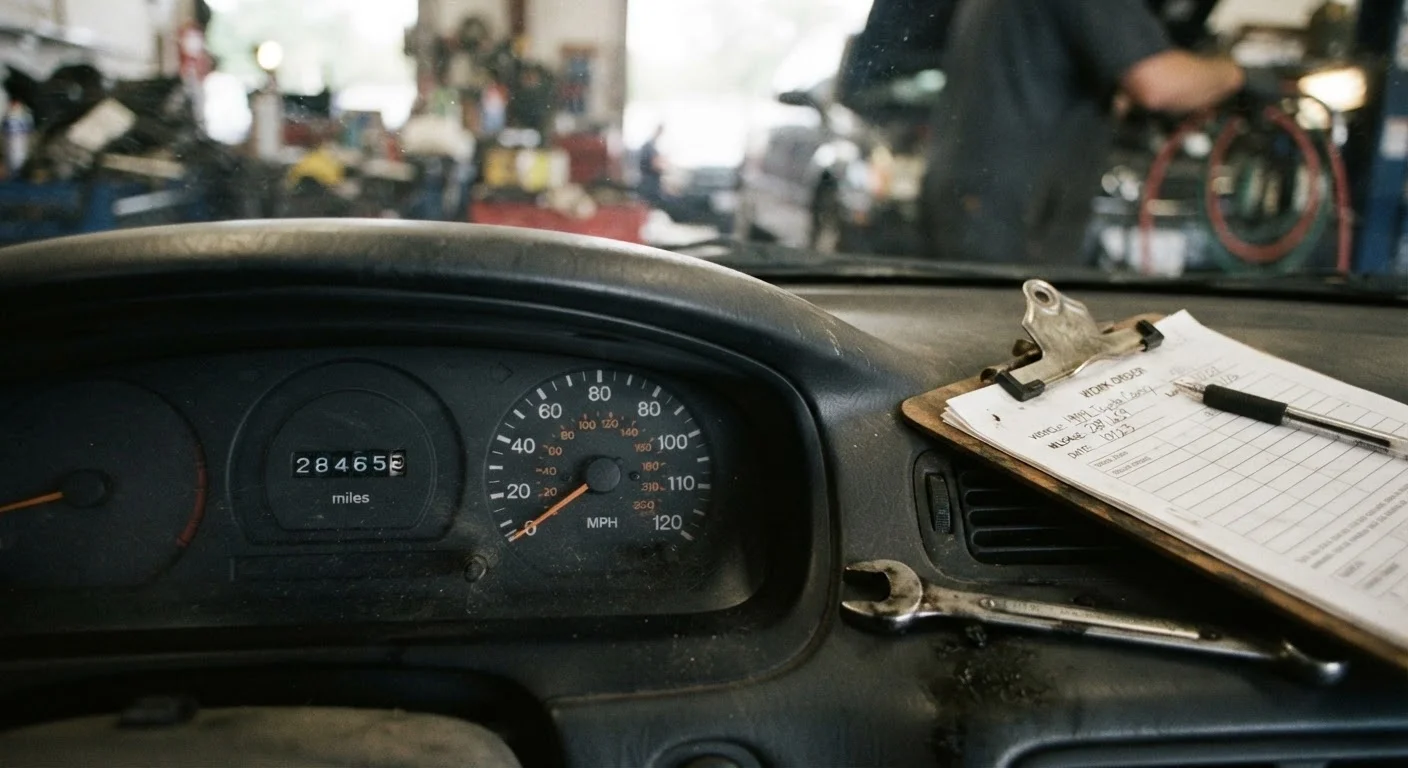
Most vehicle components don't fail suddenly - they wear gradually. Automakers design maintenance schedules around predictable wear rates, which is why mileage-based intervals exist in the first place. Hitting 30,000, 60,000, or 90,000 miles isn't just a number on your odometer; it's a prompt to reassess every major system in your car before small issues become costly repairs.
The intervals below reflect general guidance for most passenger vehicles, but every car is different. Always cross-reference this checklist with your owner's manual, which contains manufacturer-specific intervals for your exact make and model. If you've purchased a used vehicle without complete service records, a qualified mechanic can perform an inspection to establish a maintenance baseline. As this breakdown of neglect costs makes clear, deferring small services rarely saves money in the long run.
Every 30,000 Miles
Every 60,000 Miles
Every 90,000 Miles
100,000 Miles and Beyond
Tools and Records You'll Need
Working through this checklist is easier when you come prepared. Before scheduling service or attempting any DIY tasks, gather the following resources. For a clear-eyed guide on which maintenance tasks are genuinely safe to handle yourself, see our DIY maintenance guide.
Owner's Manual
Contains your vehicle's specific maintenance schedule, fluid specifications, and component replacement intervals.
Service Record Folder
A dedicated folder (physical or digital) to store all maintenance receipts and inspection reports in one place.
Tire Pressure Gauge
Used to verify tire inflation at each service interval or any time you suspect a pressure issue.
OBD-II Scanner
Reads diagnostic trouble codes stored in your vehicle's computer, helping you understand warning lights before visiting a shop.
Flashlight or Inspection Light
Useful for visually checking belts, hoses, brake components, and fluid levels in low-light engine bays.
Maintaining a paper or digital folder of all service receipts is one of the simplest habits you can build. It not only helps you track what's been done - it's also one of the strongest tools for managing long-term ownership costs and supports a stronger resale position when the time comes.
Don't Rely on the Odometer Alone
Time matters as much as mileage for some components. A vehicle driven only 5,000 miles per year can still experience fluid degradation, rubber component aging, and battery deterioration on a calendar basis. If your mileage is low but your vehicle is several years old, consult your owner's manual for time-based intervals alongside mileage-based ones.
Reading This Checklist Alongside Your Owner's Manual
Intervals listed here - 30k, 60k, 90k - are widely used reference points, but real-world schedules vary by driving conditions. Severe-duty driving (frequent short trips, towing, dusty environments, extreme temperatures) often shortens recommended intervals. Your owner's manual will have a "normal" and "severe" schedule; use whichever matches how and where you actually drive.
For a deeper look at every system covered below and how each one ages over time, the comprehensive roadworthy guide is a useful companion to this checklist. And if fluid levels are something you'd like to monitor yourself between service visits, fluid checks every driver should know walks through each one step by step.
This article provides general educational information about vehicle maintenance. Always consult your vehicle's owner's manual and a qualified mechanic for guidance specific to your car. Maintenance work involving safety-critical systems should be performed or inspected by a licensed professional.