
Why Seasonal Maintenance Matters
Your car doesn't experience weather the way you do - but it absolutely feels the effects. Temperature swings, road salt, summer heat, and winter cold each put distinct stress on different vehicle systems. A battery, a set of tires, or a reservoir of washer fluid that was fine in August can become a liability by December.
Treating maintenance as seasonal rather than purely mileage-based helps you get ahead of the most predictable failure points. It also gives you better situational awareness of your vehicle - a skill that pays off in fewer surprises and lower long-term ownership costs. For a full picture of how every major system ages over time, see our comprehensive vehicle systems guide.
Key Seasonal Checks: What to Inspect and When
The two most critical transition windows are fall-to-winter and winter-to-spring. Each presents a different set of system vulnerabilities. Use these moments to work through the practices below systematically rather than waiting for a dashboard warning light.
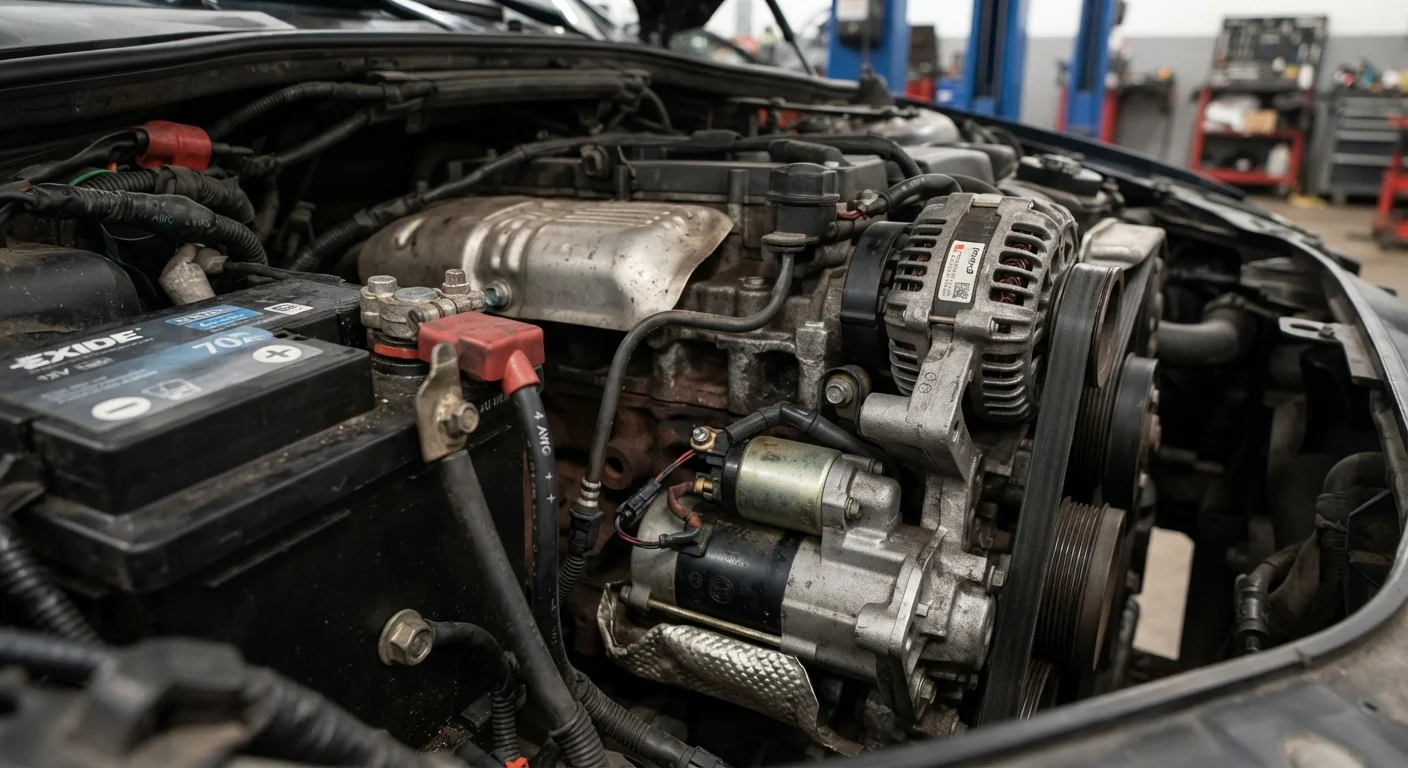
Test your battery before cold weather arrives.
Cold temperatures significantly reduce a battery's ability to deliver cranking power. A battery that performs adequately in summer may fail entirely on a freezing morning. Most auto parts stores offer free battery load testing, giving you an accurate picture of remaining capacity before you need it most.
Check and adjust tire pressure at every season change.
Tire pressure drops roughly 1 PSI for every 10°F decrease in temperature. Under-inflated tires reduce fuel efficiency, wear unevenly, and handle poorly on wet or icy roads. Summer heat can cause over-inflation, which reduces the contact patch and increases blowout risk.
Inspect and top off all fluids with seasonal conditions in mind.
Coolant (antifreeze) mixture protects against both freezing and boiling - the correct ratio matters year-round. Windshield washer fluid rated for below-freezing temperatures prevents reservoir and line damage in winter. Engine oil viscosity also matters: thicker summer grades can struggle to flow in cold starts.
Examine wiper blades and replace them if streaking or skipping occurs.
Wiper blades degrade from UV exposure in summer and can crack or stiffen in freezing temperatures. A compromised blade smears rather than clears, significantly reducing visibility in rain or snow - a direct safety concern.
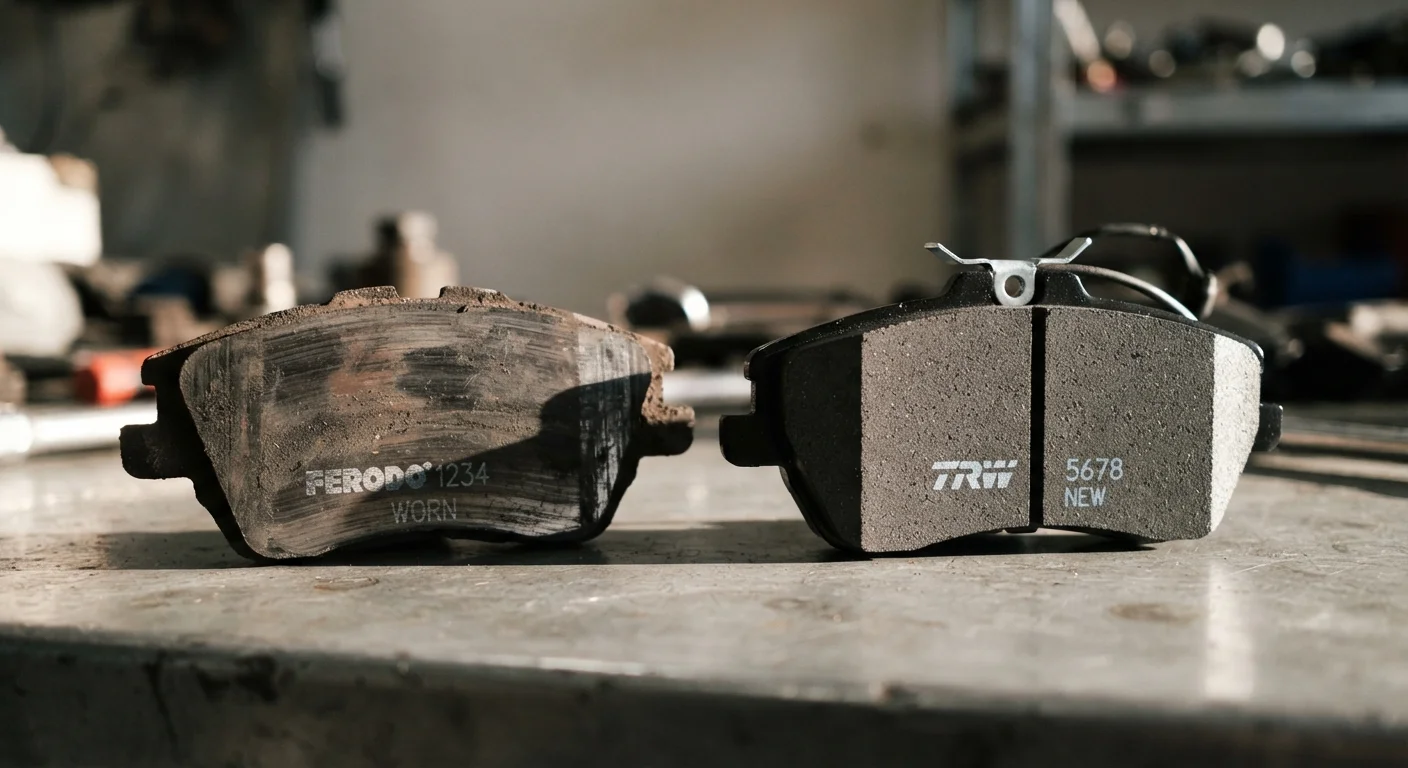
Inspect brakes, especially before wet or icy season driving.
Brake pads wear gradually and symptoms like squealing or increased stopping distance are easy to overlook. Wet and icy conditions demand full braking performance. If pads are near minimum thickness, waiting until spring multiplies risk unnecessarily.
Switch to or inspect all-season or winter tires based on your climate.
All-season tires perform adequately in light winter conditions, but dedicated winter tires use a rubber compound that stays pliable below 45°F, improving grip substantially. Drivers in regions with regular snowfall or ice should understand this distinction and plan accordingly.
Owner's Manual Is Your Best Reference
Every vehicle has specific fluid specifications, tire pressure ratings, and service intervals set by its manufacturer. Before switching to a winter-grade oil or adjusting coolant mix, confirm the correct spec in your owner's manual. Generic advice is a starting point - your manual has the final word.
It's also worth separating fact from habit when it comes to what your car actually needs. Some common seasonal rituals - like idling for minutes to warm up a modern engine - aren't necessary and can actually waste fuel. Our article on car maintenance myths covers several beliefs worth reconsidering.
Start with Quick Wins You Can Do Today
Not every seasonal check requires a mechanic or special equipment. Several high-impact inspections take under five minutes and require nothing more than a tire gauge and your eyes. Starting with these immediate actions builds the habit of proactive awareness before moving into less frequent, deeper checks.
Seasonal vehicle care fits neatly into a broader pattern of preparation - the same principle applies whether you're winterizing your home's plumbing or getting your garden beds ready for frost. A little attention before conditions change prevents much larger problems after. The buying and owning hub has additional guidance on managing vehicle costs over the full ownership cycle.