Why Every Driver Should Know Their Engine Bay
Most first-time car owners never open their hood unless a mechanic asks them to. That's understandable - the engine bay looks complicated, and the fear of doing something wrong keeps people hands-off. But you don't need to be a mechanic to understand what's under there. Basic familiarity with your engine bay makes you a smarter, more confident driver.
Knowing your way around the hood helps you catch low fluids, notice leaks, and spot warning signs before they become expensive repairs. It also helps you communicate clearly with mechanics - describing what you saw or smelled gives a technician useful information to work with. For a broader look at how all these systems connect, see everything that goes into keeping a car roadworthy.
How to Open Your Hood Safely
Before you do anything else, make sure your vehicle is parked on level ground with the engine off and cooled down. Opening the hood on a hot engine risks burns from steam or pressurized fluids.
- Find the interior release lever. It's usually located under the dashboard on the driver's side. Pull it until you hear a pop.
- Go to the front of the car and feel along the front edge of the hood for a secondary latch - a small lever or button you push to one side while lifting the hood.
- Prop the hood open. Many vehicles have an automatic hood strut that holds it up. Older models may have a metal rod you insert into a designated hole to keep the hood propped safely.
If you're unsure where your release lever or secondary latch is, your owner's manual will have the exact location for your make and model.
Keep Your Owner's Manual Handy
Your owner's manual includes a diagram of your specific engine bay, fluid specs, and service intervals. If you've misplaced the physical copy, most manufacturers offer free PDF versions on their websites. Spending 20 minutes with it before your first hood check will make everything far easier to identify.
The Key Components You'll See
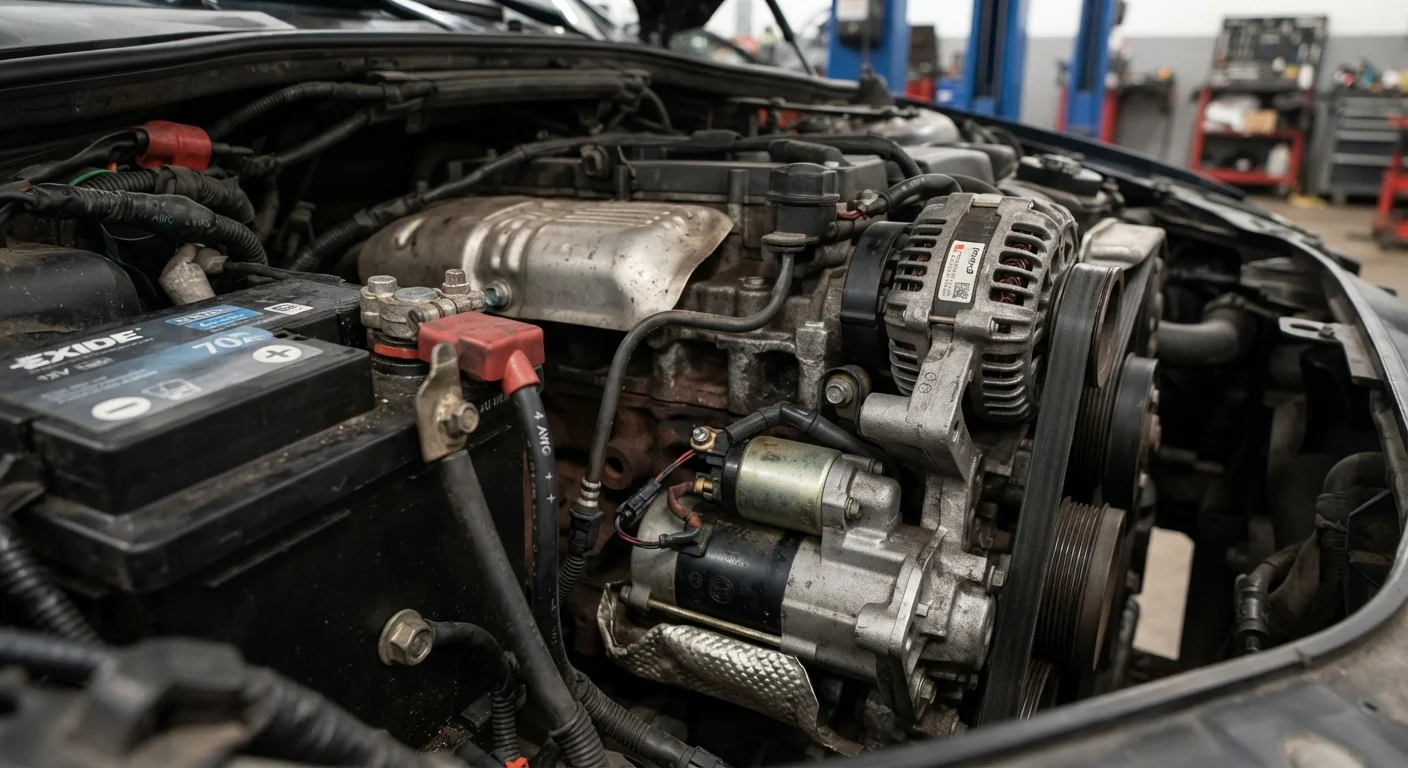
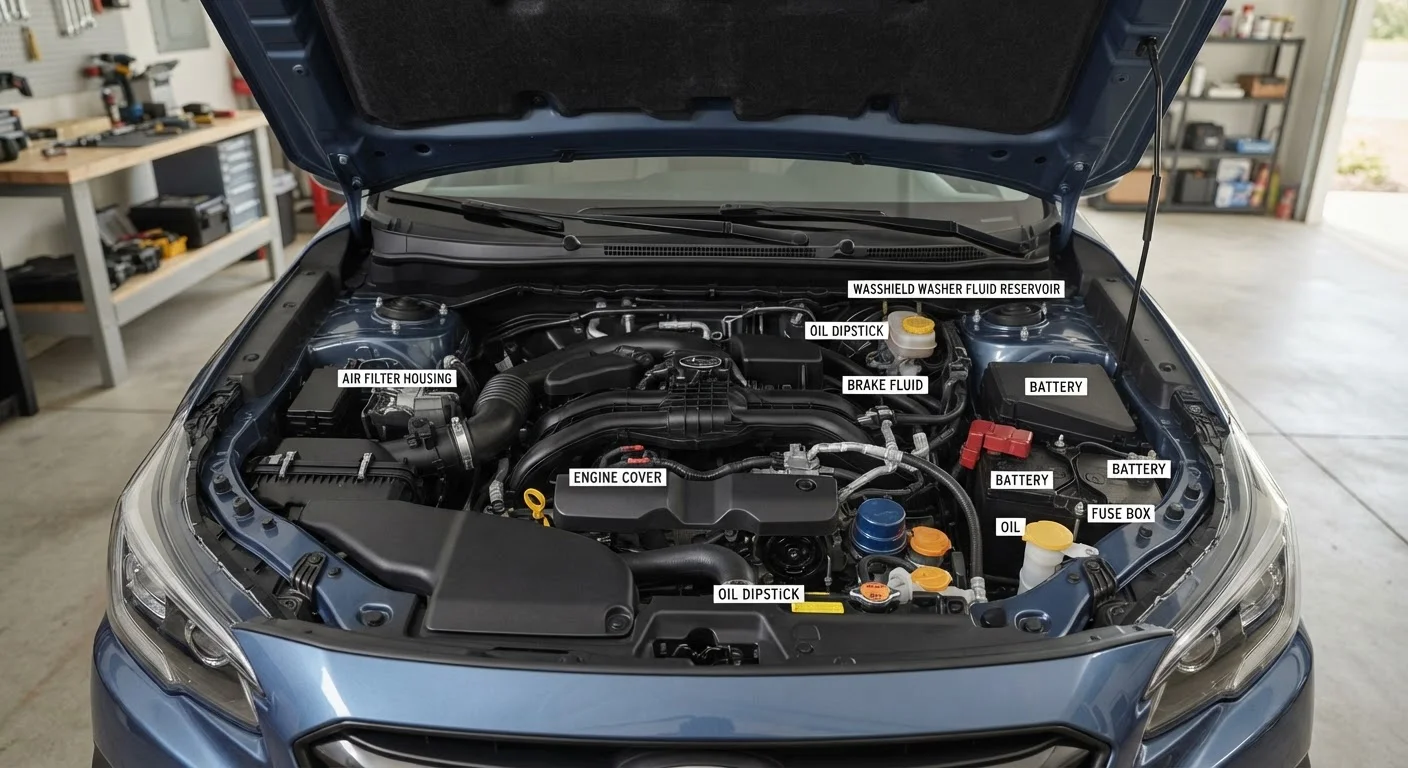
Modern engine bays are dense but more organized than they appear. Here are the main components you'll encounter:
Engine block
The large central metal structure that houses the cylinders where fuel combustion takes place. It's the core of your engine.
Dipstick
A long, thin metal rod used to check engine oil level. You pull it out, wipe it clean, reinsert it, and read the level markers.
Radiator
A component at the front of the engine bay that dissipates heat from the coolant, keeping the engine from overheating.
Alternator
A generator driven by the engine that recharges your battery and powers electrical systems while the car is running.
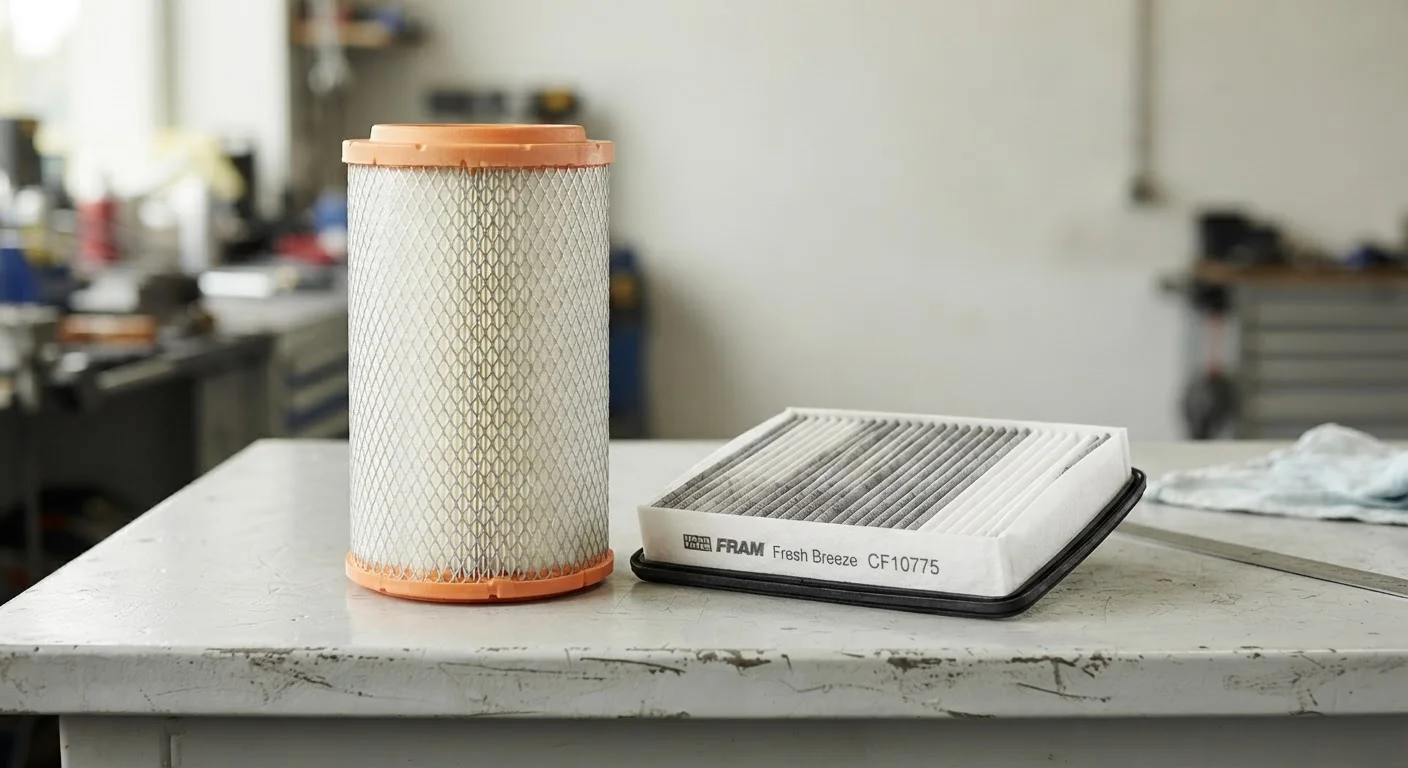
Air filter
A replaceable filter that cleans the air entering the engine. A clogged air filter can reduce fuel efficiency and engine performance.
Firewall
The metal barrier between the engine bay and the passenger cabin. Several fluid reservoirs are typically mounted near it.
Layouts vary by vehicle - front-wheel-drive cars often have a transversely mounted engine, while rear-wheel-drive vehicles place the engine differently. Your owner's manual or a quick search for your specific model can help orient you. Understanding these components also connects directly to your vehicle's safety - see our overview of safe driving in the U.S. for how vehicle readiness ties into road safety.
Fluids: What They Are and Why They Matter
Fluids are the lifeblood of your vehicle. Most modern cars label their reservoirs clearly, and checking levels is something any driver can learn to do. For a detailed walkthrough of each fluid, see our guide on fluid checks every driver should know.
- Engine oil: Lubricates moving parts and reduces heat. Check it with the dipstick when the engine is cold. Oil that looks black and gritty is overdue for a change.
- Coolant (antifreeze): Regulates engine temperature. Check the translucent overflow reservoir - never open the radiator cap on a hot engine.
- Brake fluid: Transmits pressure through your braking system. It sits in a small reservoir near the firewall. If it's consistently low, have a mechanic inspect for leaks.
- Windshield washer fluid: The one fluid that's safe to top off anytime. Use a product rated for your climate.
- Power steering fluid and transmission fluid: Both have their own reservoirs in most vehicles. Consult your owner's manual before touching either.
Unexplained fluid loss is always worth investigating - don't simply keep topping off without understanding why a level keeps dropping.
What to Check Yourself vs. Leave to a Mechanic
Not every engine bay task is appropriate for a beginner to tackle alone. The key is knowing the boundary.
Reasonable for most drivers to do themselves:
- Visually inspecting fluid levels (with the engine cold)
- Topping off windshield washer fluid
- Checking the battery terminals for corrosion (white or bluish buildup)
- Inspecting belts for obvious cracks or fraying
- Replacing the engine air filter (usually a tool-free job on most vehicles)
Leave these to a qualified mechanic:
- Anything involving the fuel system
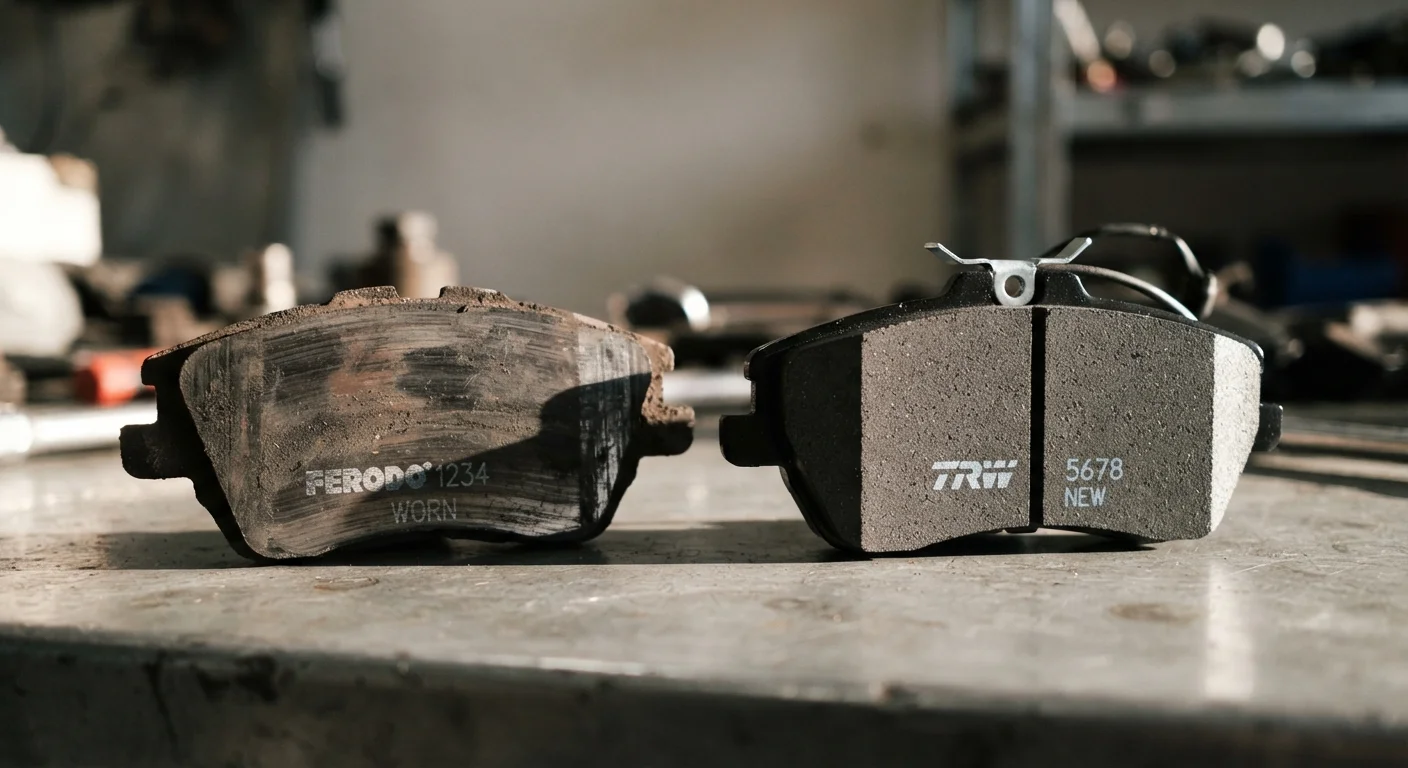
- Brake system repairs or fluid bleeding
- Electrical system diagnostics beyond a simple code reader
- Timing belt or chain replacement
- Coolant system flushes and repairs
The DIY car maintenance guide goes deeper on where that line falls and why some jobs carry real risk when done without proper training. Staying informed also helps you manage long-term ownership costs - catching small issues early is almost always cheaper than addressing them after the fact.