Why Car Maintenance Myths Persist
Automotive advice travels fast - through family wisdom, old habit, and well-meaning friends who swear by a routine they've followed for decades. Some of that advice was once accurate. Much of it was never true at all. Either way, acting on outdated or incorrect maintenance beliefs doesn't just waste your time; it can drain your wallet on services you don't need or cause you to skip ones that genuinely matter.
Modern vehicles are engineered differently than cars from the 1970s and 1980s, and the fluids, fuels, and service intervals designed for them reflect that. Understanding what's actually happening under the hood - rather than what popular wisdom assumes - is one of the most practical steps any driver can take. For a broader look at what neglect actually costs over time, see The Lifetime Cost of Skipping Routine Maintenance.
Myth
You need to let your car idle for several minutes on cold mornings to warm up the engine before driving.
Fact
Modern fuel-injected engines warm up faster and more efficiently under light driving load than sitting at idle.
This advice made sense for carbureted engines common before the 1980s, which needed time to stabilize fuel mixture. Today's vehicles use electronic fuel injection, which adjusts in real time. Extended idling on a cold engine actually prolongs the time pistons, cylinders, and rings run with slightly thickened oil - increasing wear rather than reducing it. A brief warm-up of 30 to 60 seconds is generally sufficient before driving gently until the engine reaches operating temperature.
Myth
Putting premium fuel in a car that takes regular gas gives it a performance or longevity boost.
Fact
Premium fuel offers no measurable benefit in engines not designed to require it - the money is simply wasted.
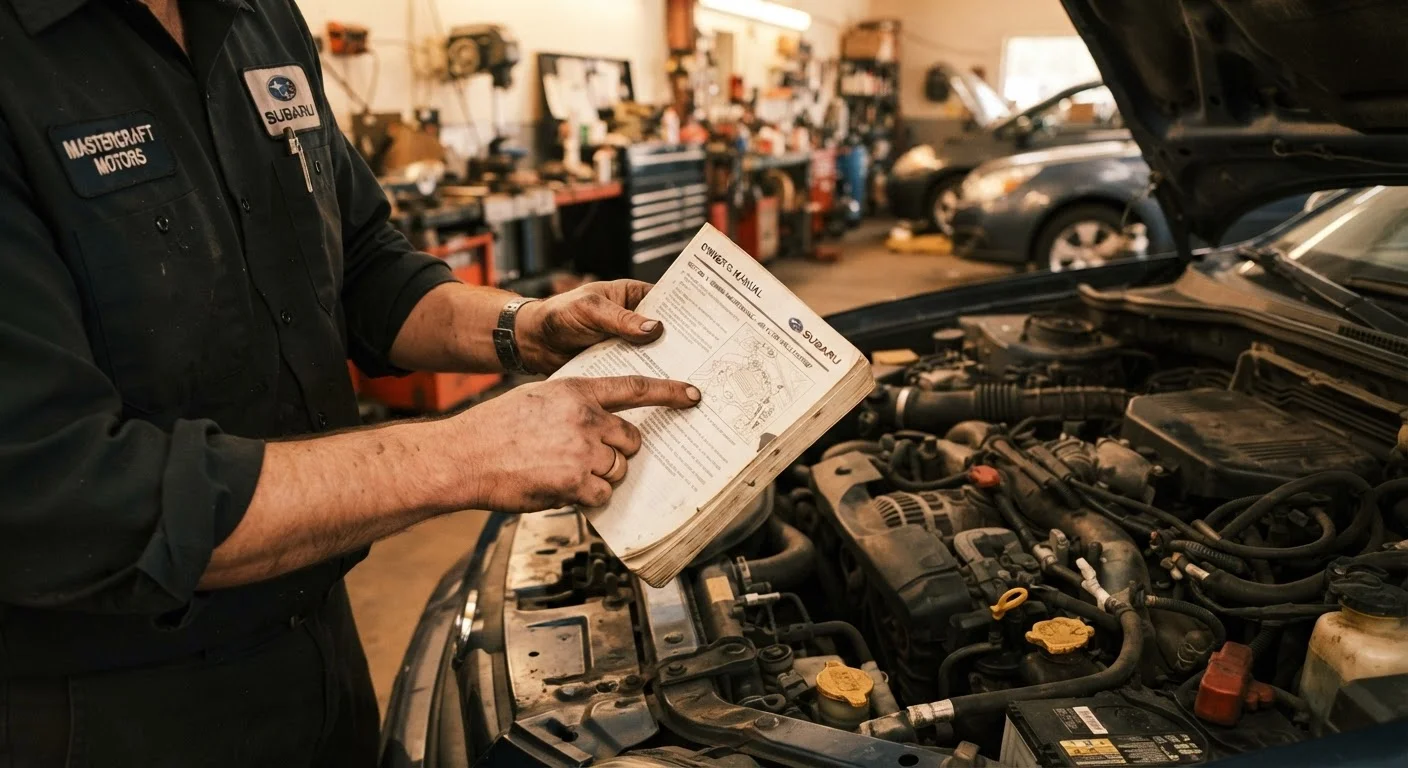
Premium gasoline has a higher octane rating, which resists engine knock (pre-detonation) in high-compression engines that specifically call for it. If your owner's manual says "regular unleaded," your engine's management system is calibrated for that octane level. Filling up with premium in that scenario adds cost without improving power, efficiency, or engine life. Check your manual: it will say "required" or "recommended" if premium is actually warranted.
Myth
You must change your oil every 3,000 miles, no matter what.
Fact
Most modern vehicles - especially those using full synthetic oil - have recommended intervals of 5,000 to 10,000 miles or more.
The 3,000-mile rule originated decades ago when engine tolerances and oil formulations were far less refined. Synthetic oils maintain their protective properties significantly longer than conventional oils once did. Many manufacturers now specify intervals of 7,500 to 10,000 miles, and some exceed that under normal driving conditions. Changing oil more frequently than necessary isn't harmful, but it's an unnecessary expense. Follow your owner's manual and, if your car has an oil life monitoring system, pay attention to it. For more detail, see Oil Change Intervals: Why the Old 3,000-Mile Rule No Longer Applies.
Myth
Inflate your tires to the pressure number printed on the tire's sidewall.
Fact
The number on the sidewall is the maximum pressure the tire can hold - not the recommended operating pressure for your vehicle.
The correct tire pressure for your car is found on a sticker inside the driver's door jamb or in the owner's manual. That figure accounts for your vehicle's weight, suspension design, and intended handling characteristics. Inflating to the sidewall maximum often results in overinflated tires, which reduces the contact patch with the road, shortens tire life unevenly, and can compromise braking performance and ride comfort. Check your tire pressure monthly and after significant temperature changes.
Myth
You have to take your car to the dealership for routine maintenance to keep the warranty valid.
Fact
Under federal law, routine maintenance performed by a qualified independent shop generally does not void your manufacturer's warranty.
The Magnuson-Moss Warranty Act prohibits manufacturers from voiding a warranty solely because a vehicle owner used an independent service provider for routine maintenance, provided the work uses parts that meet manufacturer specifications and is properly documented. Keep all receipts and service records. Note that warranty repairs - fixing a defect covered under the warranty - are a different matter and typically must be performed at an authorized dealership. When in doubt, review your specific warranty terms.
Making Smarter Decisions at the Shop and at Home
Separating automotive fact from fiction pays dividends in two ways: you avoid spending money on services that deliver no real benefit, and you stay alert to the maintenance that genuinely protects your investment. Your vehicle's owner's manual is the most authoritative source for service intervals - it reflects the engineering standards the manufacturer actually tested and approved.
It's also worth knowing your rights as a vehicle owner. Under the Magnuson-Moss Warranty Act, having routine maintenance performed by a qualified independent shop - rather than a dealership - does not automatically void your warranty, provided the work meets manufacturer specifications and is properly documented. Always keep your service records.
Skipping Real Maintenance Has Real Consequences
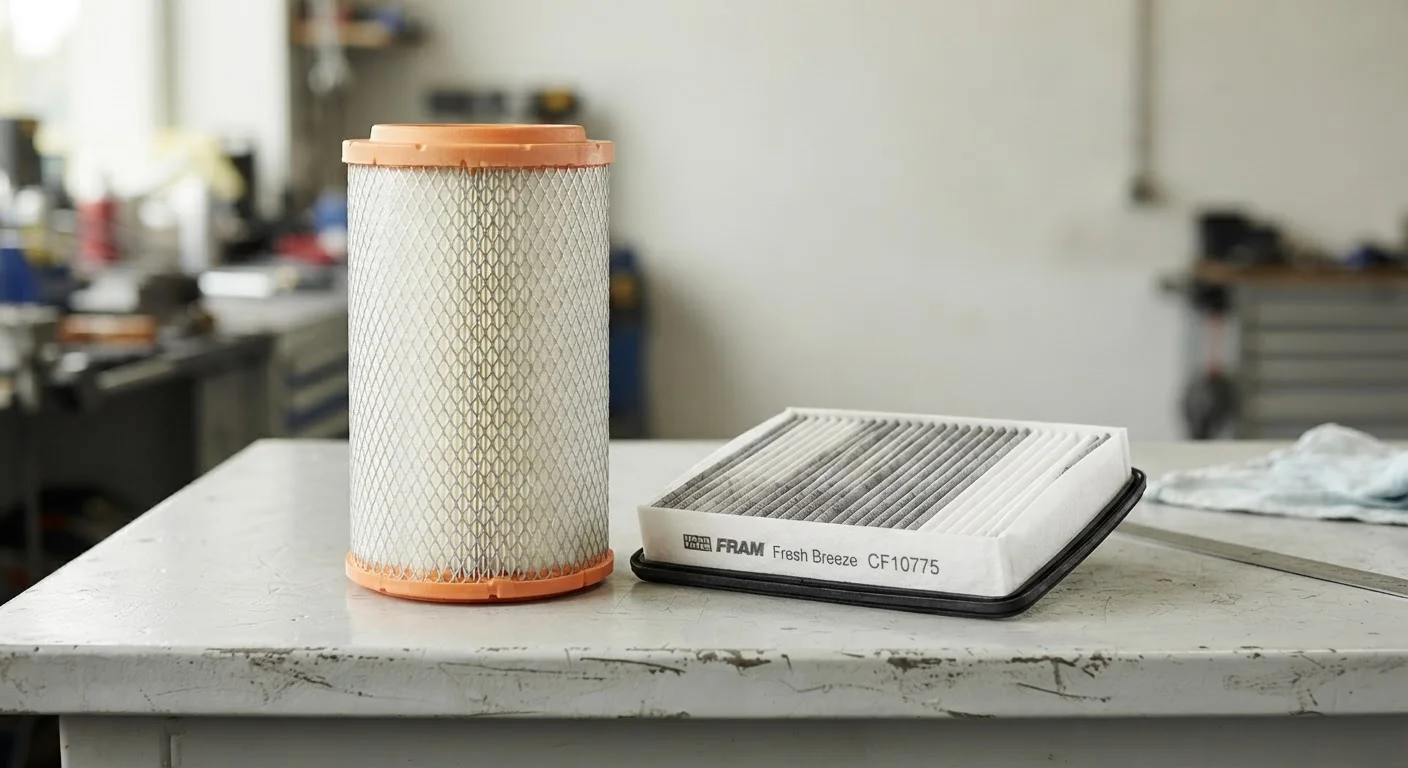
Debunking unnecessary services doesn't mean all maintenance is optional. Coolant flushes, brake fluid replacement, air filter changes, and timing belt service intervals exist for sound engineering reasons. Dismissing all maintenance advice as myth can lead to expensive failures. Use critical thinking selectively - verify claims against your owner's manual rather than eliminating service schedules entirely. If you're unsure whether a recommended service is legitimate, ask your mechanic to explain specifically what the service addresses and why it applies to your vehicle.
For drivers who want to take on some tasks themselves, DIY Car Maintenance: What's Reasonable to Do Yourself and What Isn't lays out which jobs are genuinely manageable and which carry real risks. And if you're curious about checking your own fluids between service visits, Fluid Checks Every Driver Should Know How to Do Themselves walks through the basics clearly.