Why Small Services Carry Big Stakes
Routine maintenance - oil changes, fluid flushes, filter swaps, tire rotations - can feel like optional expenses when a car is running fine. That feeling is precisely the trap. Most vehicle components fail gradually, not suddenly, meaning the damage is accumulating long before any warning light appears.
Engine oil, for example, does far more than lubricate moving parts. It cleans, cools, and protects metal surfaces operating under extreme pressure. As it degrades, it loses viscosity and begins leaving deposits. Over time, those deposits restrict oil flow to critical components. The result isn't just accelerated wear - it can be catastrophic engine failure. An oil change might cost $50 to $80. An engine replacement can cost $4,000 to $10,000 or more.
The math isn't complicated, but the consequences are easy to underestimate when nothing seems wrong yet. See our mileage-based maintenance schedule for a clear breakdown of what your vehicle typically needs and when.
The Cascading Failure Effect
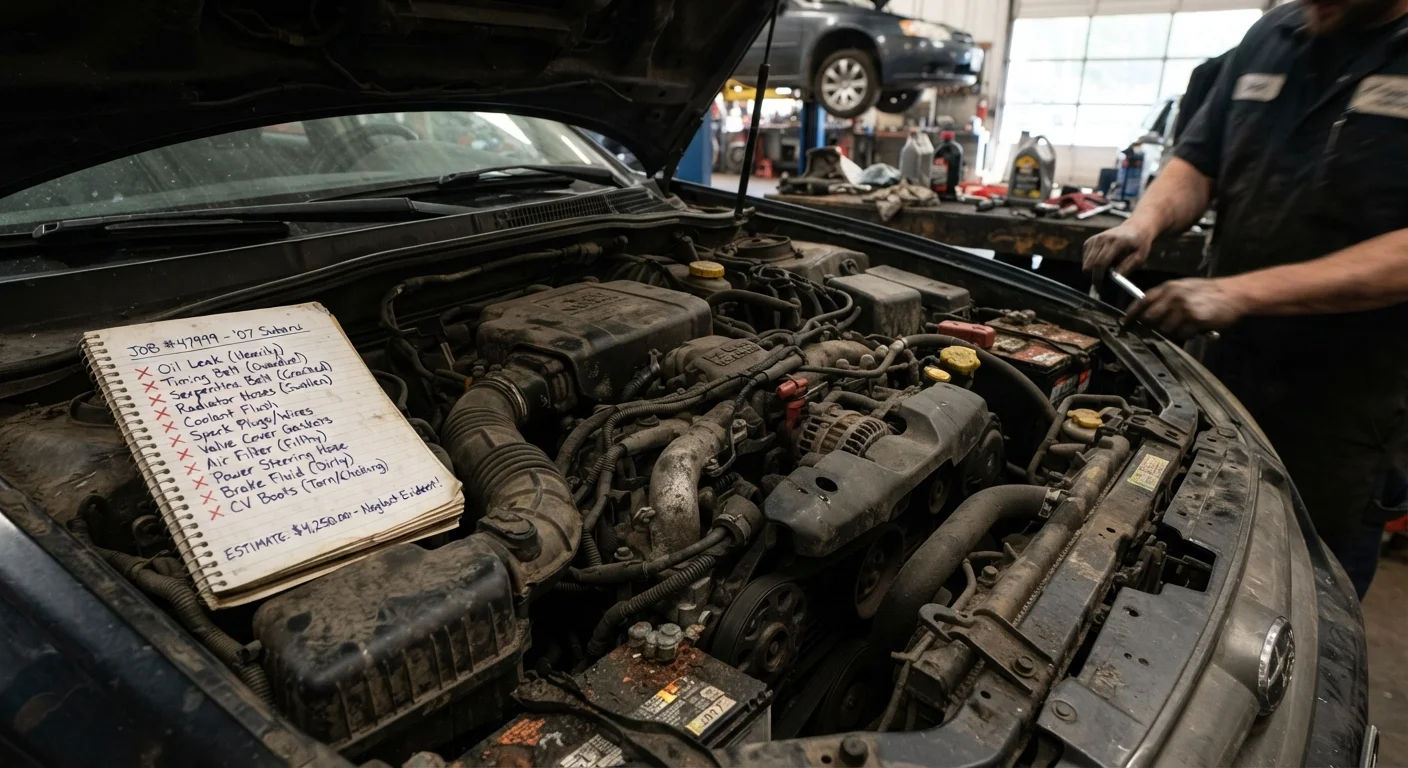
Vehicle systems don't operate in isolation. When one component deteriorates unchecked, it routinely stresses the components around it - a pattern mechanics call cascading failure.
Consider the cooling system. Coolant degrades over time and becomes acidic, corroding hoses, gaskets, and the water pump from the inside. A neglected coolant flush is a relatively inexpensive service. But if a corroded hose bursts or the water pump fails, the engine overheats - and overheating even once can warp cylinder heads, damage gaskets, or seize the engine entirely. Repairs can run from $1,500 to well over $5,000.
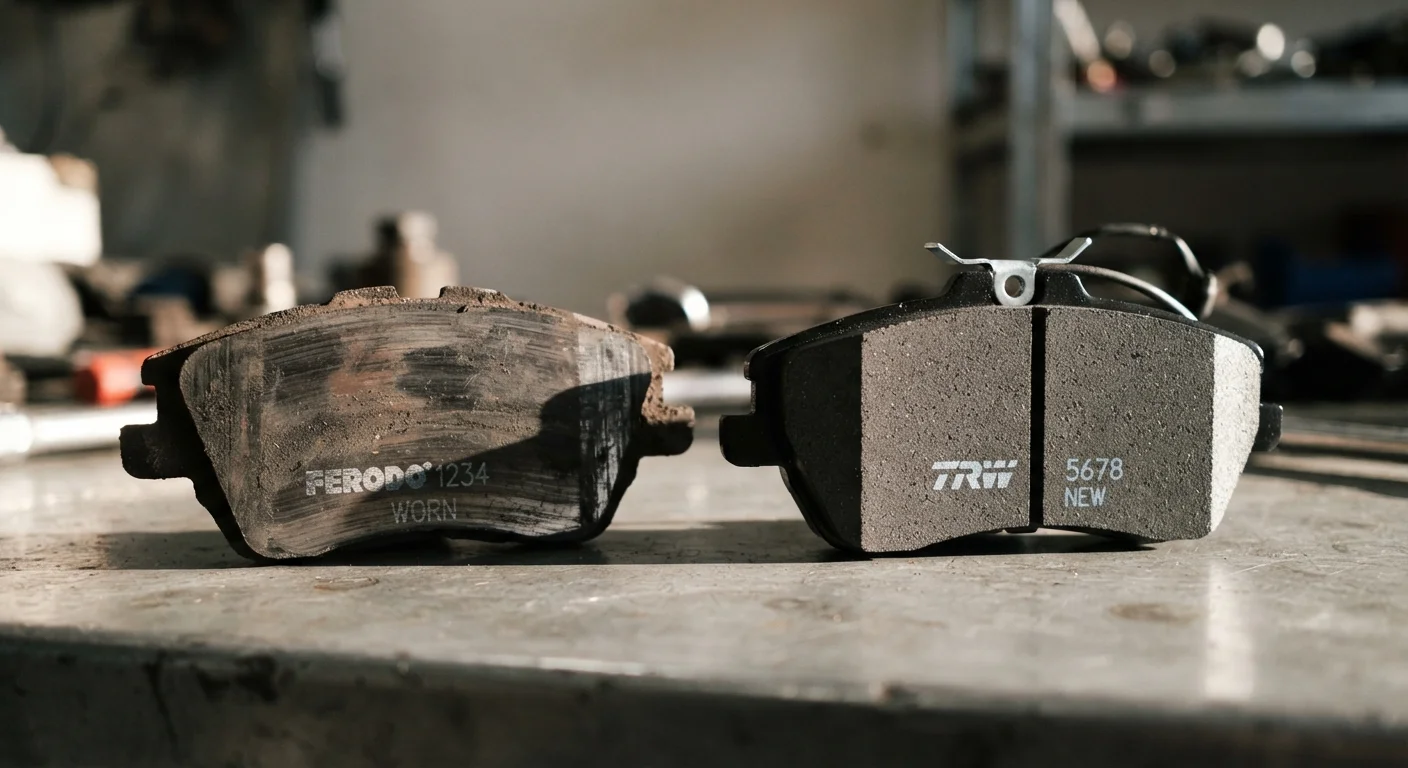
The same principle applies to brakes. Brake pads are designed to wear as a sacrificial layer protecting the rotors beneath them. When pads wear down completely and metal meets metal, rotors are damaged rapidly. A standard brake pad replacement averages $150 to $300 per axle. Replacing pads and rotors together can cost two to three times that - and if the damage reaches calipers, the bill climbs higher still.
$4,000-$10,000+
Typical engine replacement cost
Industry estimates from automotive repair data consistently place engine replacement - a common result of chronic oil neglect - in this range depending on vehicle make and complexity.
2-3×
Cost multiplier when rotors are damaged
Allowing brake pads to wear completely through to metal-on-metal contact typically doubles or triples the brake service bill due to rotor and potentially caliper damage.
$1,500-$5,000+
Cooling system failure repair range
Overheating events caused by neglected coolant maintenance can result in head gasket, cylinder head, or water pump repairs in this cost range, per general automotive repair industry data.
The Hidden Cost: Resale Value
Beyond repair bills, deferred maintenance quietly erodes what your vehicle is worth when you're ready to sell or trade it in. Dealerships and private buyers alike ask for service records, and gaps in that history are treated as a red flag - even if the car drives fine today.
A vehicle with documented, consistent maintenance commands a meaningfully higher offer than an identical model with no records. The logic is straightforward: a buyer is purchasing not just the car as it sits, but the risk of what might fail next. Documented care signals lower risk. Undocumented neglect signals higher risk, and the price reflects that.
This is worth considering alongside the full picture of ownership costs that catch drivers off guard - deferred maintenance compounds many of them.
Building a Cost-Aware Maintenance Mindset
The most effective way to avoid large repair bills is straightforward: treat maintenance as an investment with a measurable return, not as an avoidable expense. Every dollar spent on a timely fluid flush, belt inspection, or filter replacement is working against a much larger future repair.
For drivers managing long-term ownership, keeping costs manageable over time means staying ahead of the manufacturer's service schedule, not catching up after something breaks. A qualified mechanic can help identify which deferred services are most urgent if you're already behind - prioritizing safety-critical items like brakes and tires first, then working through the rest systematically.
It's also worth separating genuine maintenance requirements from overstated ones. Not every service upsell is necessary, and not every myth about maintenance holds up to scrutiny. Common maintenance myths can lead drivers to spend money in the wrong places while neglecting the services that actually matter.
The bottom line: vehicles are built to last with consistent care. Neglect doesn't save money - it defers and multiplies it.