Soil Control and Drainage: Where the Real Difference Lives
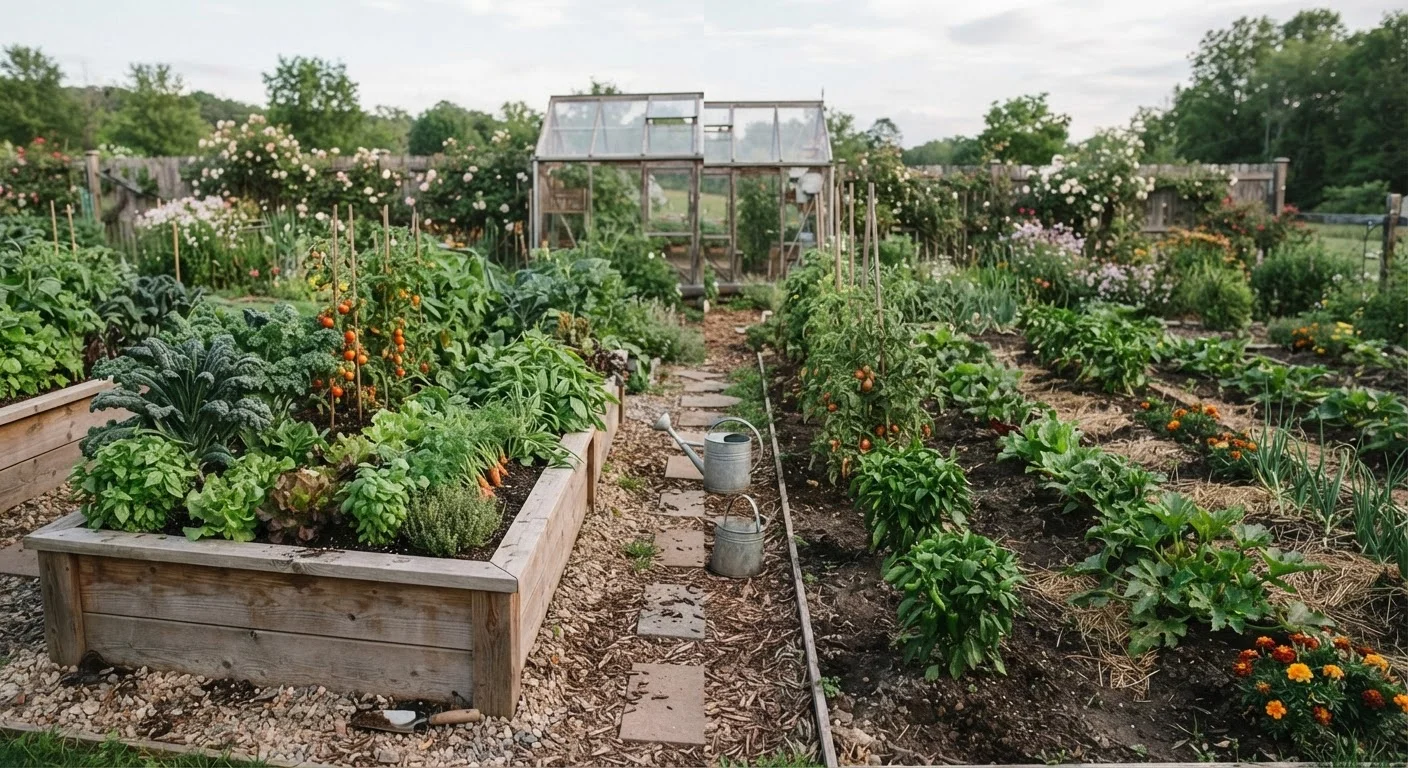
The most significant practical difference between these two approaches is what happens beneath the surface. Raised beds give you complete control over your growing medium. You fill them with a custom blend - typically a mix of topsoil, compost, and aeration material - so plant roots enter ideal conditions from the start. Drainage is reliable because the bed sits above grade, and compaction is rarely a problem since you never walk on the growing area.
In-ground planting means working with whatever soil your yard provides. If that soil is loamy, well-structured, and reasonably fertile, in-ground gardening can be excellent from the start. Many gardeners, however, contend with heavy clay (which drains poorly and compacts easily) or sandy soil (which drains too fast and holds few nutrients). Amending in-ground beds is entirely possible - adding compost year after year genuinely improves soil structure - but it takes multiple seasons to see a marked difference.
Watering practices also interact differently with each method. Raised beds dry out faster, which means more frequent irrigation in hot weather but less risk of waterlogging in wet spells. In-ground beds tend to retain moisture longer, which can be an asset in drought-prone areas.
| Criterion | Raised Beds | In-Ground Planting |
|---|---|---|
| Upfront cost | Moderate to high (materials + fill soil) | Low (amendment and tools only) |
| Soil quality control | Full control from day one | Depends on native soil; improves over years |
| Drainage | Excellent; rarely waterlogged | Variable; clay soils drain poorly |
| Spring warmup speed | Faster; extends growing season | Slower; more thermally stable |
| Weed pressure | Generally lower, especially early on | Higher; existing seed bank is a factor |
| Physical accessibility | Height-adjustable; easier on joints | Requires bending to ground level |
| Scalability | Costly to expand at scale | Easy and affordable to expand |
| Deep-rooted crop support | Limited by bed depth | Unrestricted root run |
Cost, Setup, and Long-Term Investment
Raised beds carry a real upfront cost that in-ground planting does not. Lumber, corner hardware, weed barrier, and bulk soil or compost to fill the frame add up - a single 4×8-foot bed can run anywhere from modest to surprisingly expensive depending on material choices and regional pricing. That said, a well-built cedar or composite bed can last many years with minimal maintenance.
In-ground planting requires little more than a shovel, some compost, and seeds or transplants to get started. The trade-off is labor: double-digging or broadforking a new bed to break up compacted ground is physically demanding work. The financial savings are real, though, particularly for gardeners who want to plant a large area. Scaling up with raised beds multiplies costs quickly; scaling up in-ground is mostly a matter of time and effort.
For readers just beginning their gardening journey, a grounded introduction to starting a garden is a useful place to assess which approach fits your specific site before committing materials or money.
Growing Season, Yield, and Plant Suitability
Raised beds warm up earlier in spring because the soil mass is exposed to air on multiple sides. In climates with short growing seasons, this can translate to an extra two to four weeks of planting time - meaningful for crops like tomatoes, peppers, and warm-season vegetables that need a long head start.
In-ground soil takes longer to warm but holds temperature more steadily once it does. For cool-season crops like kale, chard, and root vegetables, this thermal stability can actually be an advantage through summer heat.
Plant suitability is worth thinking through carefully. Most vegetables - lettuces, herbs, brassicas, bush beans, and root crops in a sufficiently deep bed - perform well in raised beds. But large sprawling plants (pumpkins, indeterminate tomatoes, corn) often do better in-ground where there's no boundary to their root zone and they can spread freely. If your ambitions include companion planting combinations, both methods can accommodate the practice, though in-ground plots typically offer more flexibility in layout and spacing.
If yields are disappointing regardless of method, the cause is often soil nutrition or watering rather than the planting style itself. Common reasons vegetable gardens underperform are worth reviewing before attributing poor results to your garden format. And whatever approach you choose, understanding how fertilizers work in your soil will help you feed your plants more effectively.
Maintenance, Weeds, and Accessibility
Weed pressure is generally lower in raised beds, especially in the first few years. Because you fill beds with weed-seed-free compost and soil, and the sides create a physical barrier against creeping grass, the bed starts clean. Over time, wind-blown seeds will establish, but regular mulching keeps most weeds manageable.
In-ground beds sit within the larger soil ecosystem, which includes the existing weed seed bank. Expect more weeding effort, particularly in the first two seasons. Consistent mulching - applying 2-3 inches of straw, wood chips, or shredded leaves - is one of the most effective ways to suppress weeds in either system.
From an accessibility standpoint, raised beds can be designed to suit the gardener. A standard 12-inch-high bed is an improvement over bending to ground level; a 24-to-30-inch bed is closer to counter height and transforms the experience for anyone with back pain or limited mobility. In-ground gardening requires full ground-level work unless raised paths and kneeling pads are incorporated into the design.
A Hybrid Approach Is Perfectly Valid
Many experienced gardeners use both methods in the same yard - raised beds for intensive crops like salad greens, herbs, and tomatoes, and in-ground space for sprawling or large-scale plants like squash and corn. There's no rule requiring you to choose one system exclusively. Starting with a single raised bed alongside an in-ground plot is a practical way to observe how each performs in your specific conditions before committing to a full layout.