Why Most Lawn Problems Start Underground
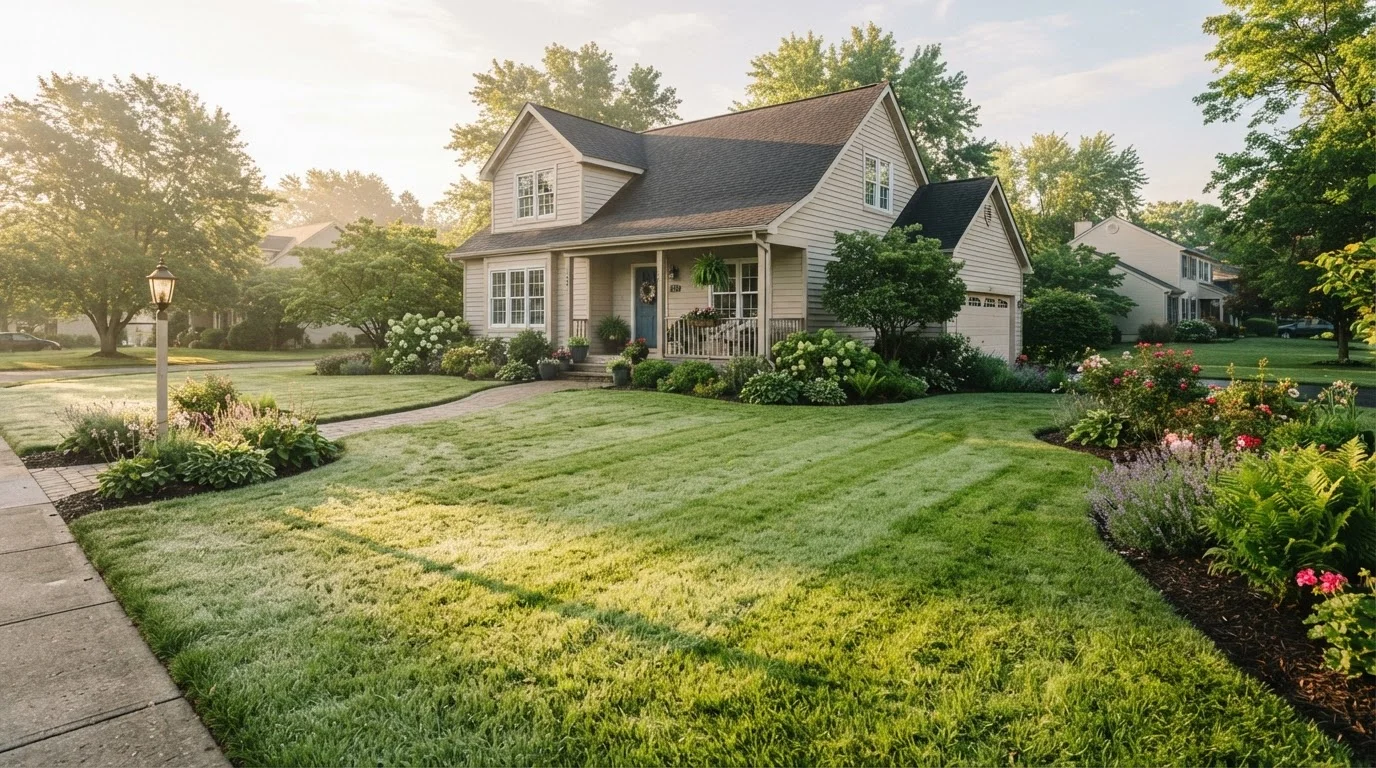
A struggling lawn is rarely a surface problem. Yellowing patches, thin turf, and persistent weeds are almost always symptoms of what's happening in the soil beneath your feet. Compacted soil restricts root growth and prevents water and oxygen from penetrating. Low or high pH locks out nutrients even when you've applied fertilizer correctly. Understanding your soil is the non-negotiable starting point for everything else.
A basic soil test - available through many cooperative extension services - will tell you your pH, organic matter content, and nutrient levels. Most grass varieties prefer a pH between 6.0 and 7.0. If your soil is too acidic, lime can correct it; if it's too alkaline, sulfur may help. Correcting pH before adding fertilizer makes every dollar you spend on amendments work harder. For a deeper look at feeding your soil responsibly, see our guide on organic vs. synthetic fertilizers.
Mowing: The Practice Most Homeowners Get Wrong
Mowing height has a direct impact on root depth, moisture retention, and weed suppression - yet most homeowners cut their grass too short. A general rule of thumb is to never remove more than one-third of the blade height in a single mowing. Cutting too aggressively scalps the lawn, stresses the plant, and opens gaps for weeds to colonize.
Cool-season grasses like Kentucky bluegrass and tall fescue generally perform best mowed at 3 to 4 inches. Warm-season varieties like Bermuda and zoysia tolerate shorter cuts, often between 1 and 2 inches. Taller grass shades the soil, slows moisture evaporation, and crowds out annual weeds naturally. Keeping mower blades sharp ensures clean cuts that heal quickly rather than ragged tears that invite disease.
Watering Smarter, Not More
Frequent shallow watering trains grass roots to stay near the surface, where they're vulnerable to heat and drought. The better approach is to water deeply and infrequently - most established lawns benefit from about one inch of water per week, applied in one or two sessions rather than daily sprinkles. This encourages roots to grow downward in search of moisture, building resilience over time.
Water in the early morning when possible. This gives blades time to dry before evening, reducing the risk of fungal disease - a common outcome of keeping turf wet overnight. If you have automatic sprinklers, check that heads aren't overlapping excessively or missing areas. Many lawn disease problems are linked directly to inconsistent or poorly timed irrigation. For broader context on irrigation mistakes, our article on garden watering myths covers principles that apply to turf as much as garden beds.
Feeding Your Lawn at the Right Time
Fertilizing at the wrong time is money wasted - and sometimes actively harmful. Cool-season grasses benefit most from fall feeding, when roots are actively growing even as top growth slows. Warm-season grasses respond best to applications in late spring through summer, aligned with their peak growth period. Applying nitrogen-heavy fertilizer during heat stress or dormancy can burn turf or trigger tender growth that's quickly damaged.
Slow-release nitrogen formulations are generally forgiving for homeowners because they feed grass over weeks rather than delivering a sudden surge. Regardless of the product type, soil test results should guide your application rate. Over-fertilizing is one of the most common causes of thatch buildup and increased vulnerability to disease. Lawn care integrates naturally into broader seasonal home upkeep - the seasonal home maintenance checklist can help you time lawn tasks alongside your other fall and spring priorities.
Reducing Inputs Over Time
A well-established lawn with healthy soil requires progressively fewer inputs. Leaving grass clippings in place (grasscycling) returns nitrogen to the soil naturally, reducing fertilizer needs by an estimated 25 percent according to extension research. Overseeding thin areas in the appropriate season keeps turf dense enough to resist weed invasion without herbicides.
If water conservation is a priority in your region, it's worth evaluating whether a traditional turf lawn is the right fit for your conditions. Our guide to drought-tolerant landscaping explores alternatives that can reduce irrigation demands significantly. For those just starting out with their yards and outdoor spaces more broadly, starting a garden from scratch offers foundational guidance that complements what you're building with your turf.