Why a Seasonal Maintenance Routine Pays Off
Home maintenance works best when it's proactive, not reactive. A leaking roof discovered in January, frozen pipes that burst overnight, or a furnace that quits on the coldest day of the year - these failures share a common thread: they were often preventable with earlier attention.
This checklist organizes the most important tasks by season so nothing slips through the cracks. Whether you're a first-time homeowner or have owned your home for decades, a structured approach helps you stay on top of the systems that keep your house safe, efficient, and comfortable. The same logic applies to other big-ticket assets - just as skipping routine maintenance on a car leads to larger bills down the road, deferred home upkeep compounds quickly.
Work through this checklist each season, note anything that needs professional attention, and schedule repairs promptly. Most tasks here are DIY-friendly, but we'll flag when a licensed professional is the right call.
Caulking gun and exterior caulk
Seal gaps around windows, doors, and penetrations to prevent air and water infiltration.
Ladder (6-ft or extension)
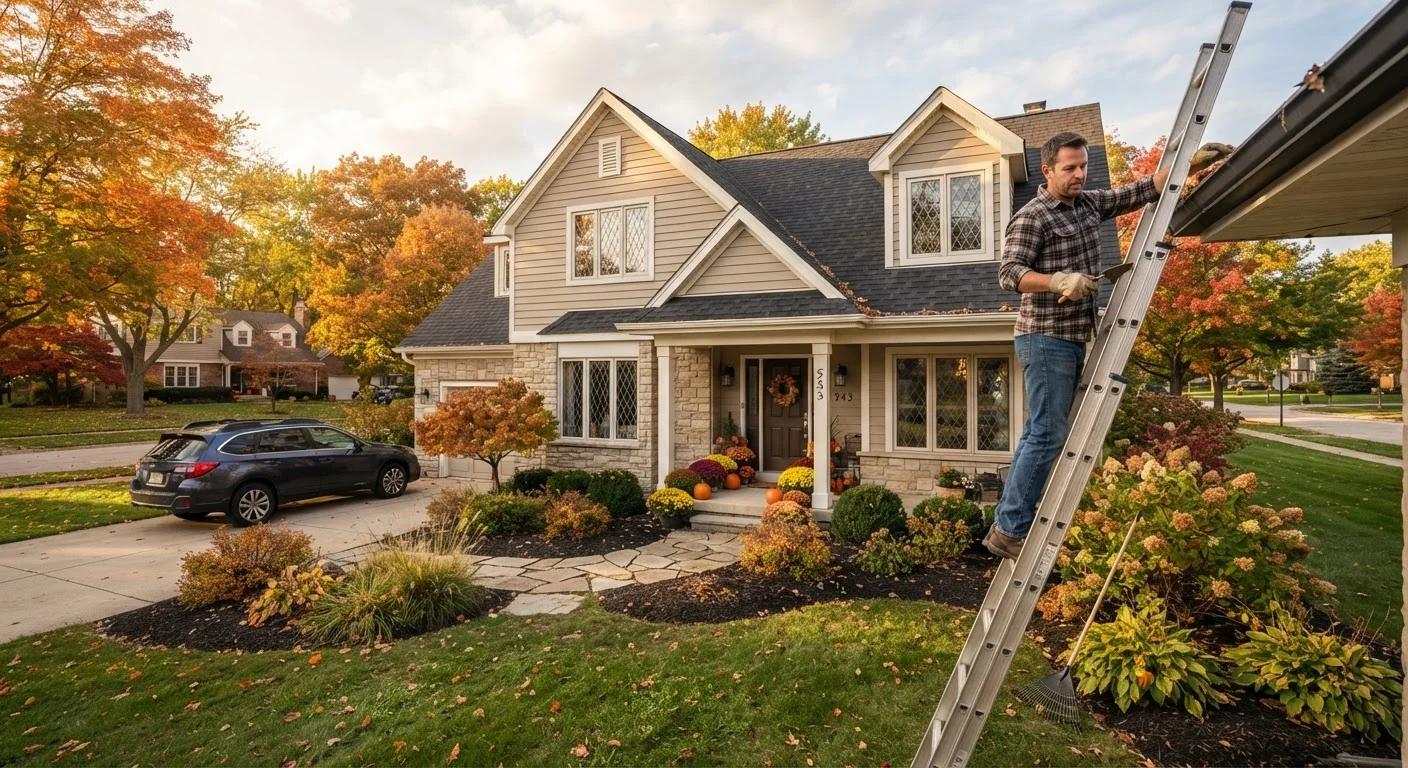
Access gutters, soffits, and low-slope roof edges safely for visual inspection and cleaning.
Garden hose with spray nozzle
Flush gutters and test downspout drainage direction away from the foundation.
Flashlight or headlamp
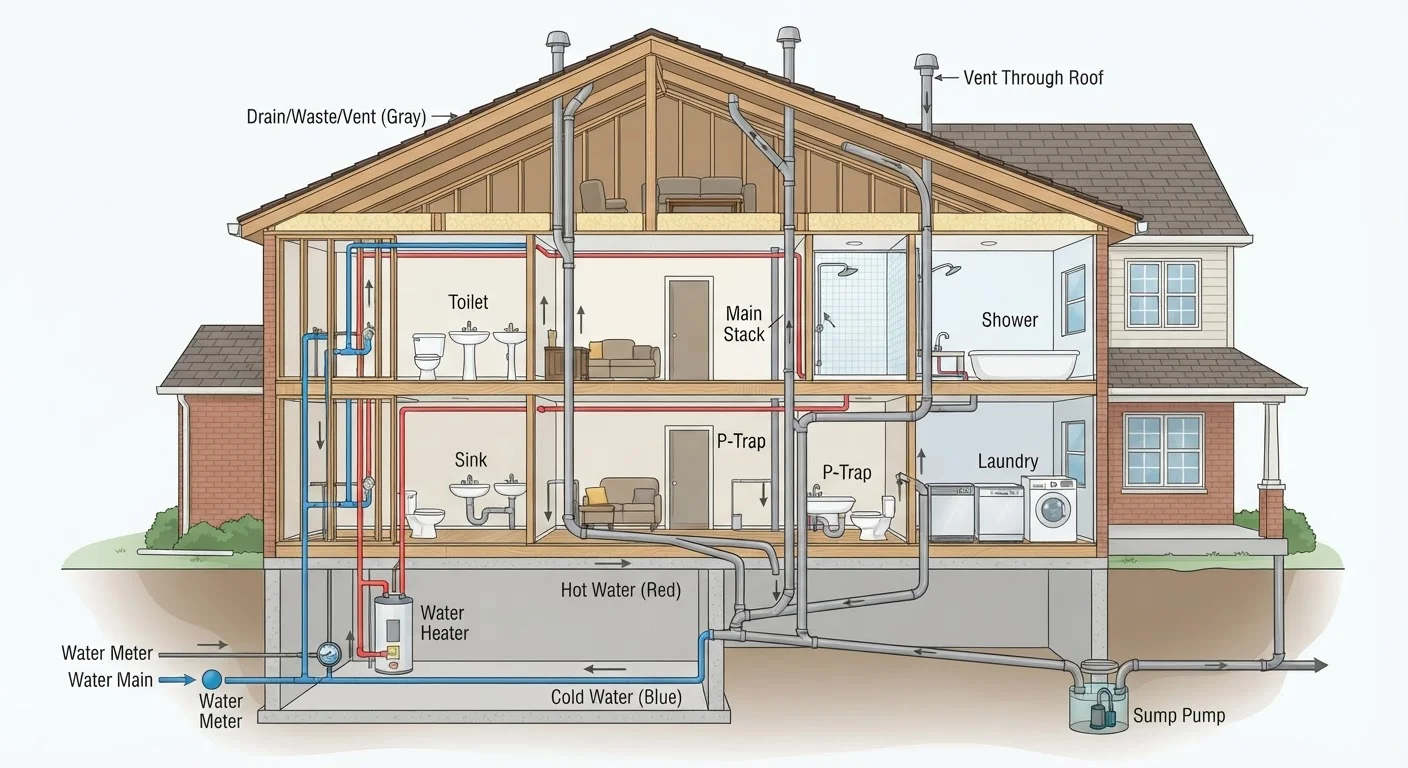
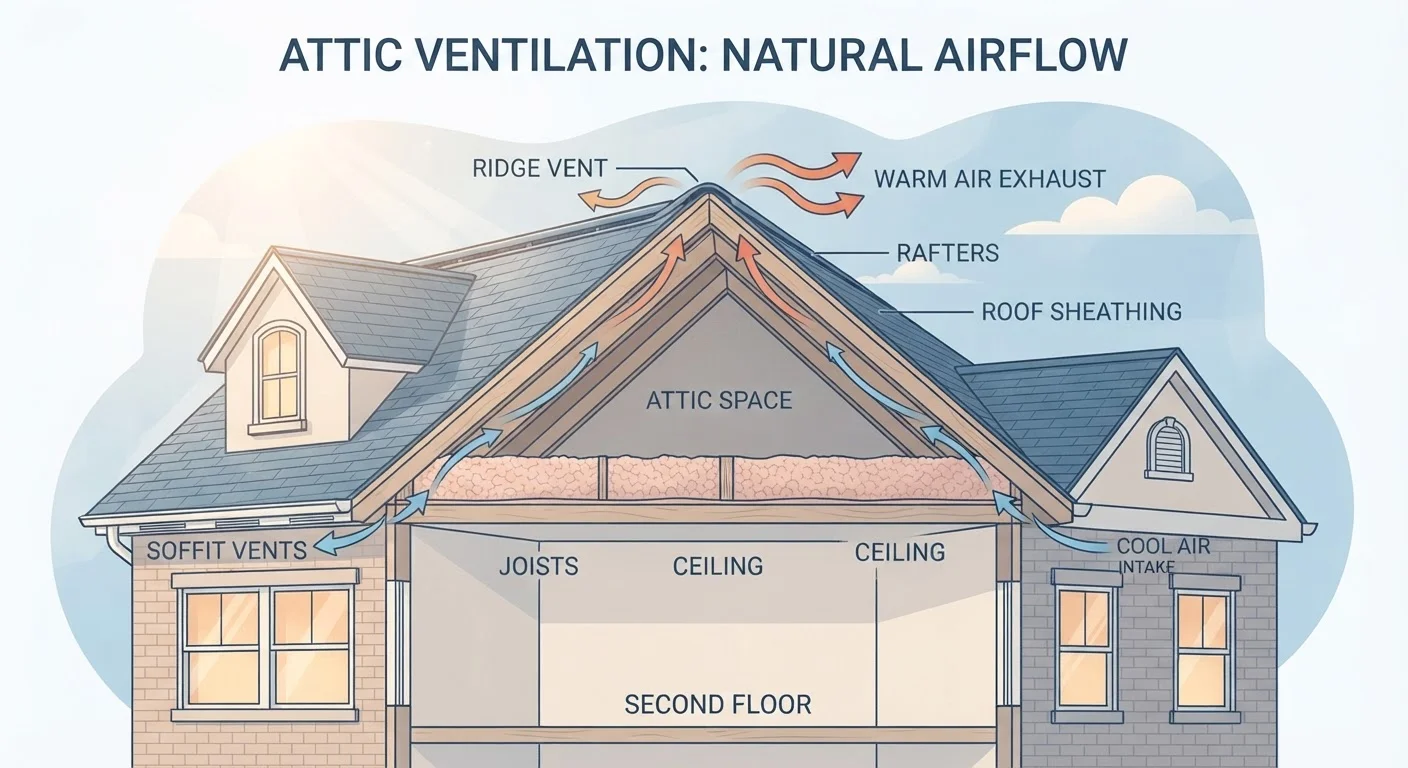
Inspect attic spaces, crawl spaces, and under-sink cabinet areas for moisture or pests.
Screwdrivers and adjustable wrench
Tighten loose deck fasteners, replace exhaust fan covers, and handle minor fixture adjustments.
HVAC filter replacements
Swap out dirty filters to maintain air quality and system efficiency each season.
Weatherstripping roll or kit
Replace worn door and window seals to improve energy efficiency and comfort.
The Four-Season Checklist
Each group below covers one season's highest-priority tasks. Start at whichever season is approaching and work forward. A few items - like testing smoke detectors - appear in more than one season because they warrant that frequency.
Spring
Summer
Fall
Winter
For outdoor and garden tasks that complement your spring and fall work, the fall garden prep checklist covers soil, plant beds, and winterizing your outdoor spaces in detail.
When to Call a Professional
Several items on this checklist involve systems where DIY work carries real risk or may be subject to local code requirements. As a general rule:
- Electrical panels, wiring, and outlets - always hire a licensed electrician. Unpermitted electrical work is a common cause of house fires and can void homeowner's insurance.
- Gas lines, gas appliances, and furnaces - have these inspected and serviced by a licensed HVAC technician or gas fitter. Do not attempt repairs yourself.
- Structural concerns - cracks in foundations, sagging floors, or failing load-bearing elements require a licensed contractor or structural engineer.
- Roofing - minor visual inspections from the ground are safe and encouraged, but roof repairs and replacements should be handled by a qualified roofer.
Do Not DIY Gas, Electrical, or Structural Repairs
Work involving gas lines, the electrical panel, or structural elements of your home carries serious safety risks and is typically regulated by local building codes. Unpermitted or improperly performed work can void your homeowner's insurance and create liability. Always hire a licensed professional for these categories and obtain the necessary permits before work begins.
For DIY-friendly upgrades that can meaningfully improve your home's efficiency without major risk, see small upgrades that make older homes more energy efficient.
Before starting any significant repair or addition, verify whether your local jurisdiction requires a permit or inspection. Requirements vary widely by location and project type.