
Why Calories Don't Tell the Whole Story
Calories measure energy - nothing more. A 200-calorie serving of soda and a 200-calorie serving of cooked lentils both supply the same amount of fuel for your body, but they are nutritionally worlds apart. The lentils deliver plant-based protein, dietary fiber, folate, iron, and potassium. The soda delivers added sugar and essentially nothing else.
This is where nutrient density becomes a more useful lens than calorie counting alone. Rather than asking "how much energy does this provide?", nutrient density asks "what does this food actually contribute to my body's needs?" The distinction matters because chronic disease risk, energy regulation, immune function, and cognitive health are all influenced by the micronutrients and bioactive compounds in food - not just energy intake.
Understanding this framework connects directly to how you read labels. Our guide on reading a Nutrition Facts label without getting confused can help you spot the difference between calories and the nutrients that accompany them.
~90%
Americans falling short on vegetables and fruits
According to the U.S. Centers for Disease Control and Prevention, fewer than 1 in 10 American adults meet federal recommendations for vegetable and fruit intake - key sources of nutrient-dense foods.
57%
Of calories in the U.S. diet from ultra-processed foods
Research published in BMJ Open estimated that ultra-processed foods account for more than half of total daily energy intake among U.S. adults, representing a significant shift away from nutrient-dense whole foods.
3-5x
More micronutrients in whole vs. refined grains
The refining process can remove a substantial portion of naturally occurring vitamins, minerals, and fiber from grains, according to data from the USDA, underscoring the nutrient density advantage of whole-grain foods.
What Makes a Food Nutrient Dense
A nutrient-dense food provides meaningful amounts of vitamins, minerals, fiber, high-quality protein, or beneficial fats relative to the number of calories it contains. No single nutrient defines density - it is about the overall package a food delivers.
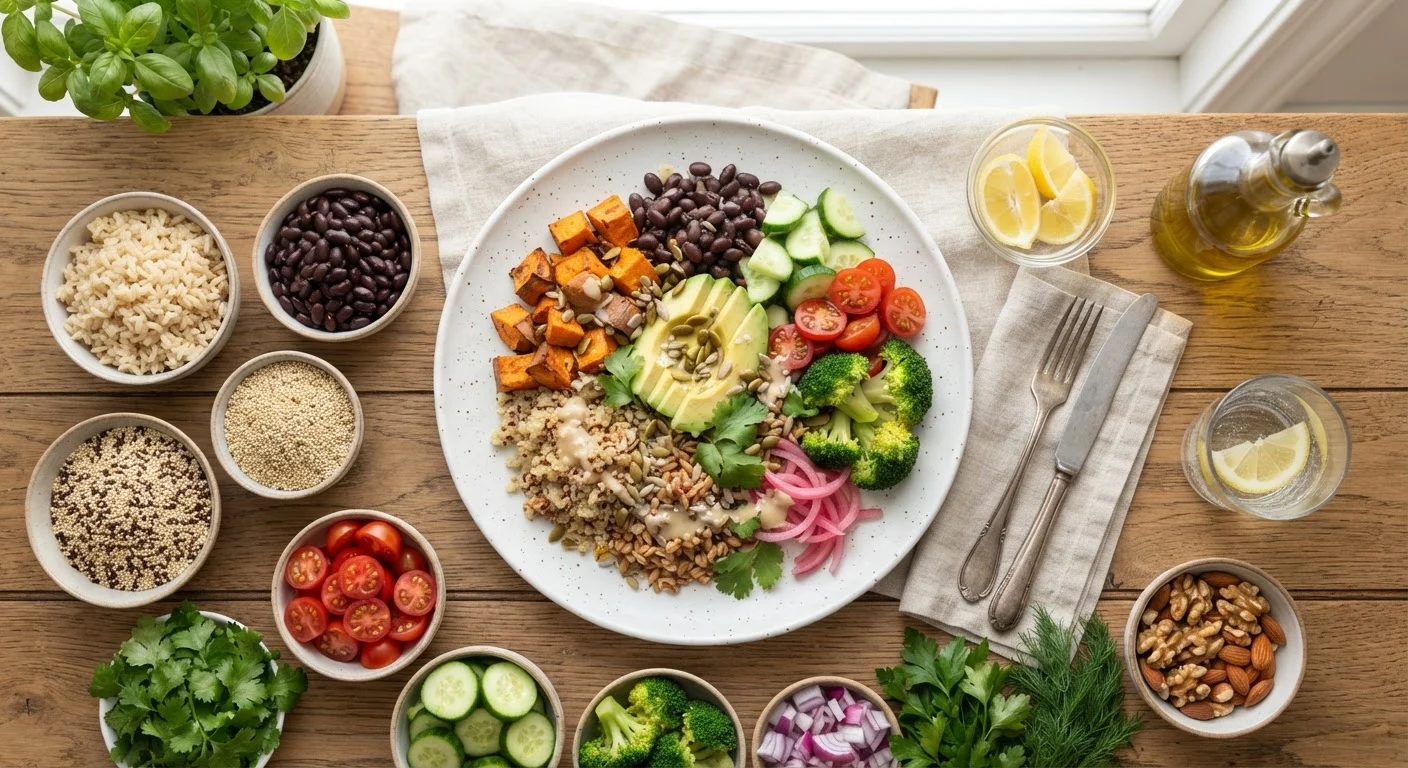
Whole and minimally processed foods dominate this category: leafy vegetables, colorful fruits, legumes, eggs, whole grains, nuts and seeds, and fatty fish. These foods are often rich in multiple nutrients simultaneously, which is part of why dietary guidance consistently emphasizes variety rather than fixating on individual nutrients.
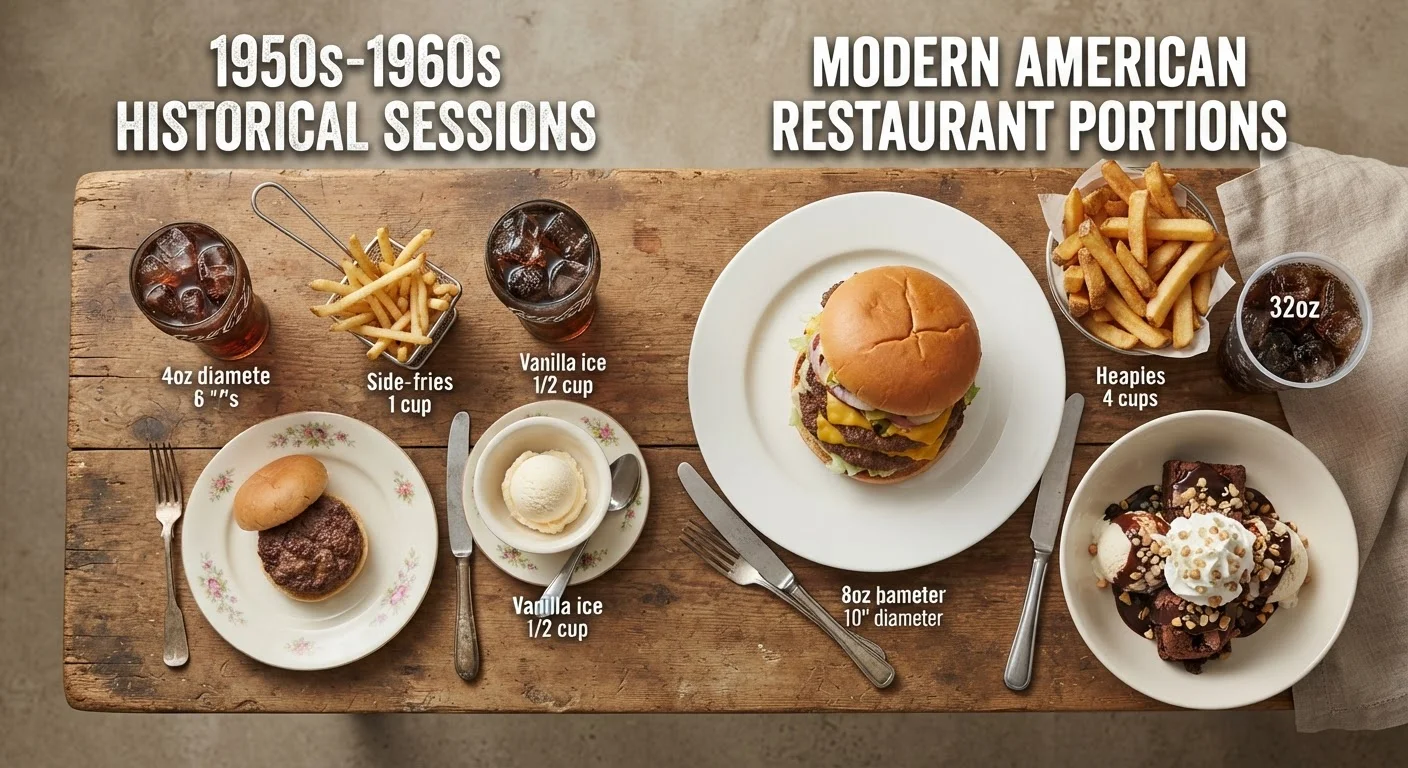
By contrast, ultra-processed foods - packaged snack foods, sweetened beverages, many fast-food items - tend to supply high amounts of calories, sodium, added sugar, or refined carbohydrates while providing comparatively little in the way of vitamins, minerals, or fiber. Nutrition researchers sometimes describe these as "empty calorie" foods, though it's worth noting that even within this category, degrees vary.
Macronutrients - protein, carbohydrates, and fat - form the backbone of any food's calorie contribution. For a deeper look at how each macronutrient functions, see our plain-language guide to macronutrients.
How Nutrient Density Shapes Everyday Food Choices
Applying the concept of nutrient density doesn't require a nutrition degree or meticulous food tracking. In practice, it means shifting attention from the numbers on a calorie counter toward the quality of what fills your plate.
A few patterns emerge from nutrition research consistently enough to be worth noting:
- Vegetables and fruits: Among the highest nutrient-to-calorie ratios of any food group; eating a wide variety maximizes micronutrient coverage.
- Whole grains over refined grains: Whole grains retain the bran and germ, preserving fiber, B vitamins, and minerals that refining strips away.
- Legumes: Beans, lentils, and chickpeas combine plant protein, fiber, and a range of vitamins and minerals in one food.
- Healthy fats: Nuts, seeds, and fatty fish provide calories alongside omega-3 fatty acids and fat-soluble vitamins. For more on fat types, see our article on saturated fat vs. unsaturated fat.
It's also worth being cautious about packaging language. Foods marketed as "natural," "multigrain," or "low fat" are not automatically nutrient dense. Our article on interpreting health claims on food packaging explains what these terms actually mean under current labeling rules.
A person chooses a 150-calorie granola bar over a small bowl of oatmeal with berries, assuming both are equally healthy snacks.
A home cook replaces white rice with a mix of brown rice and lentils in a weekly meal-prep routine.
A busy parent buys a breakfast cereal labeled 'fortified with 12 vitamins and minerals' rather than plain rolled oats.
An older adult is advised by their doctor to focus on getting enough calcium and vitamin D from food sources.
Putting It Into Perspective
Nutrient density is a framework for thinking about food quality, not a rigid rulebook. No single food makes or breaks a diet, and context always matters - overall dietary patterns, activity levels, health status, and personal circumstances all influence what "good nutrition" looks like for any individual.
The broader evidence in nutrition science consistently supports diets built around whole, minimally processed foods as a foundation for long-term health. Focusing on nutrient density is one practical way to move in that direction without obsessing over specific numbers.
If you have questions about how these principles apply to your own health, a registered dietitian or your primary care provider is the right resource. This article provides general educational information and is not a substitute for personalized medical or nutrition advice.
This article is for informational purposes only and does not constitute medical or nutritional advice. Always consult a qualified healthcare professional for guidance tailored to your individual health needs.