
The Moment Before Everything Changes
Every literary movement has a pressure point - a moment when the culture is taut with unspoken tension and a single book releases it. It doesn't happen randomly, and it doesn't happen by talent alone. It happens when the right manuscript meets the right historical moment and a readership that is, often without knowing it, waiting.
Think of the conditions that allowed certain novels to reshape entire traditions. Readers were living through something they couldn't name. Existing literature either ignored that experience or described it in ways that felt false. Then a book arrived that named it clearly - or obliquely, or beautifully - and something shifted. Writers who read it felt permission. Readers felt seen. Critics argued. And the conversation that followed rewrote the map of what literature could do.
Understanding this process is one of the most rewarding ways to read literary history. It moves us away from the myth of the lone genius and toward something more honest: books as events, shaped by time, place, community, and chance.
What Has to Be True for a Book to Matter This Way
Not every great book becomes a landmark. Literary history is full of quietly brilliant novels that arrived too early, too late, or without the publishing infrastructure to carry them. Several conditions tend to converge when a book does break through.
Cultural readiness is the most elusive ingredient. A book that challenges social norms needs readers primed to feel that challenge as meaningful rather than merely offensive or confusing. The Harlem Renaissance, for example, produced world-altering literature in part because Black intellectual and artistic life had reached a critical mass in urban centers - there was an audience ready to receive it, celebrate it, and extend it. For more on that moment, see our piece on the writers who shaped the Harlem Renaissance.
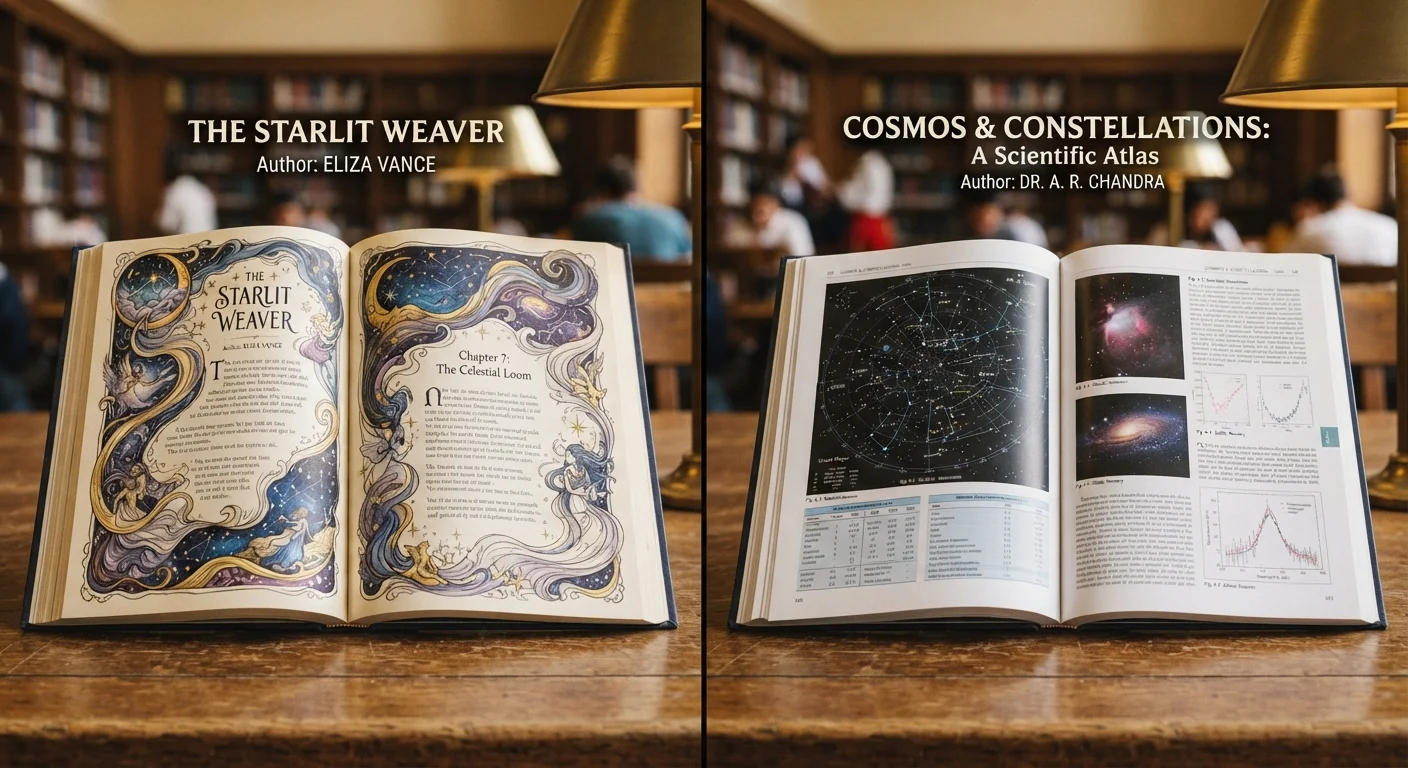
Formal innovation also matters. Books that invent or popularize a new technique - stream of consciousness, unreliable narration, fragmented structure - give other writers a tool they didn't have before. The influence spreads technically as much as thematically. Our explainer on Modernism versus Postmodernism traces how these formal shifts reshaped twentieth-century literature.
Publication and critical reception can make or break whether a book's potential is realized. A champion editor, a review in the right publication, or a banned-book controversy can all catapult a manuscript into cultural consciousness - or bury it.
5-10 years
Typical lag before a landmark book's influence is widely recognized
Literary scholars note that the critical reassessment of transformative books often lags their publication by nearly a decade, as reviewers and readers need time to trace the ripple effects.
30+
Publishers that reportedly rejected a now-canonical novel before acceptance
Multiple landmark works of the twentieth century faced extensive rejection before finding publishers - a reminder that institutional gatekeeping shapes literary history as much as talent does.
~100
Little magazines active during peak Modernist period
Scholars of literary Modernism estimate that dozens to over a hundred small-circulation literary magazines provided the publishing infrastructure that allowed experimental writing to reach its early audiences in the early twentieth century.
The Community That Carries a Movement Forward
No book becomes a movement alone. Behind every landmark text is a network: editors who believed in it, writers who read it and responded, little magazines that published early reactions, and readers who passed it along. Literary movements are social as much as they are aesthetic.
This is why it's worth paying attention to the worlds authors inhabited - not to reduce their work to biography, but to understand the conversations they were part of. As our editorial piece argues, good literary history focuses on context as much as personality. A writer working in isolation from other writers is rare; a writer working in conversation with a whole scene is the norm.
Romance fiction offers a vivid case study in how community sustains a movement. The genre has repeatedly reinvented itself through networks of writers, readers, and genre-specific publishers who collectively shifted what the form could contain. That evolution is traced in our look at how romance novels have changed across decades.
How Readers Can Engage With This History
Recognizing the conditions that allow a book to change literary history isn't just an academic exercise - it deepens every reading experience. When you understand why a novel was radical in its moment, you can feel the courage it took to write it. When you trace the community that formed around it, the books on your shelf start talking to one another.
One of the most practical ways to engage with literary history is to read across the movements it produced. Staying within a single genre or era creates a comfortable reading life, but crossing those lines exposes the seams where one tradition ends and another begins. Our guide to reading across genres makes the case for exactly that kind of exploration.
Building a reading life that includes both contemporary fiction and the landmark works that preceded it gives you two things at once: the pleasure of great stories and the ability to watch literary history in motion. The next book that changes everything may already be in print - and knowing what to look for makes it easier to recognize when it arrives.
How to Read a Book as a Historical Event
Next time you pick up a novel considered a classic or a turning point, try reading a short account of its publication history first - who edited it, when it was rejected, what the critical response was. This context doesn't spoil the reading experience; it enriches it. You'll feel the risk the author took and understand why other writers responded so strongly.