Why Genre Matching Matters
Most reading slumps aren't caused by a dislike of reading. They're caused by picking the wrong book at the wrong time. When a thriller sits unfinished on the nightstand, it's rarely because thrillers are bad - it's often because the reader needed something quieter, or funnier, or more emotionally grounding than a plot-driven race to the finish line.
Genre is a surprisingly powerful diagnostic tool. Before you know a single thing about a book's prose quality or author reputation, its genre tells you something essential: the emotional experience it's designed to deliver. Understanding how those experiences map onto your own habits and moods is one of the most practical skills a reader can build. As genre labels serve real reader functions, learning to use them intentionally puts you in control of your reading life rather than leaving it to chance.
The self-assessment below isn't a personality quiz with a single correct answer. It's a series of honest questions designed to surface the reading patterns you already have - ones you may not have fully articulated before.
Before You Begin: What You'll Need
This process works best when you bring a little raw material to it. Pull up your reading history - a Goodreads shelf, a handwritten list, even a mental scan of the last five or six books you actually finished. Unfinished books count too; they're often the most informative data point of all.
What you will need
Once you have that context in mind, work through the steps below in order. Some answers will come immediately. Others may take a moment of genuine reflection. Both are useful.
The Self-Assessment Steps
Walk through each of the following steps as honestly as you can. There are no wrong answers - only more or less accurate ones.
Ask what you want reading to do for you
This is the foundational question. Do you read primarily to escape - to step into a world entirely unlike your own? Or do you read to process, to find language for emotions and experiences you're already living? Some readers want to be entertained; others want to be challenged; many want both at different times.
Escape-focused readers often gravitate toward fantasy, science fiction, mystery, and romance. Processing-focused readers frequently find themselves drawn to literary fiction, memoir, and narrative nonfiction. There's enormous overlap, but identifying your primary motivation narrows the field considerably.
Recall the last book you couldn't put down
Think back to the most recent book you read in long stretches - the one that made you stay up past midnight or sneak chapters during lunch. What was it about? What kept pulling you forward?
Was it the suspense of not knowing what would happen next (thriller, mystery, horror)? The richness of an imagined world (fantasy, sci-fi)? The emotional truth of the characters' inner lives (literary fiction, upmarket fiction)? The real-world stakes of a true story (narrative nonfiction, memoir)? Whatever that driving force was, it's a strong signal about what your brain rewards in reading.
Examine the books you abandoned
Unfinished books are honest. When you stop reading something, you're voting with your time. Look at the books you've put down and ask: where did you lose interest? Did the plot move too slowly? Did you stop caring about the characters? Did the subject matter feel too distant from your life - or too close?
Readers who abandon slow-burn literary novels aren't necessarily unsophisticated - they may simply be plot-driven readers who need narrative momentum to stay engaged. Readers who drop action-heavy thrillers may be craving more interiority and emotional texture. Both are valuable pieces of self-knowledge.
Consider your reading context and pace
Where and when do you read? Someone squeezing in fifteen minutes on a commute has different needs than someone who reads for two hours each evening. Short, high-momentum reads suit fragmented reading time well - mysteries with sharp chapter breaks, essay collections, or propulsive thrillers. Long, immersive reads reward sustained attention - epic fantasy, sprawling historical fiction, or deeply researched nonfiction.
Your current life season matters too. Readers going through high-stress periods often report retreating to comfort genres - cozy mysteries, romance, or familiar series - rather than tackling dense or emotionally demanding material. That's not a failure of ambition; it's smart reading.
Sketch your short list and test one title
By now you should have a rough sense of two or three genres that align with your answers. Write them down. Then choose just one book from each - ideally a frequently discussed title that represents the genre well - and commit to reading the first 50 pages before making a judgment.
Fifty pages is enough to feel a genre's pacing, voice, and emotional register. It's not enough to judge a complex plot, but it is enough to know whether you want to keep going. If you do, you've found at least one home genre. If you don't, note specifically what felt off - that observation feeds back into your next attempt.
Once you've worked through all five steps, you should have a short list of candidate genres worth exploring. For a full breakdown of what each genre actually contains and promises, see the major literary genres, mapped.
Keep in mind that most readers land in two or three genres rather than one. A person who loves literary fiction might also reach for narrative nonfiction. A romance reader might have a deep appreciation for historical fiction. These overlaps aren't contradictions - they reflect the full complexity of what reading does for us emotionally and intellectually.
Putting Your Results to Work
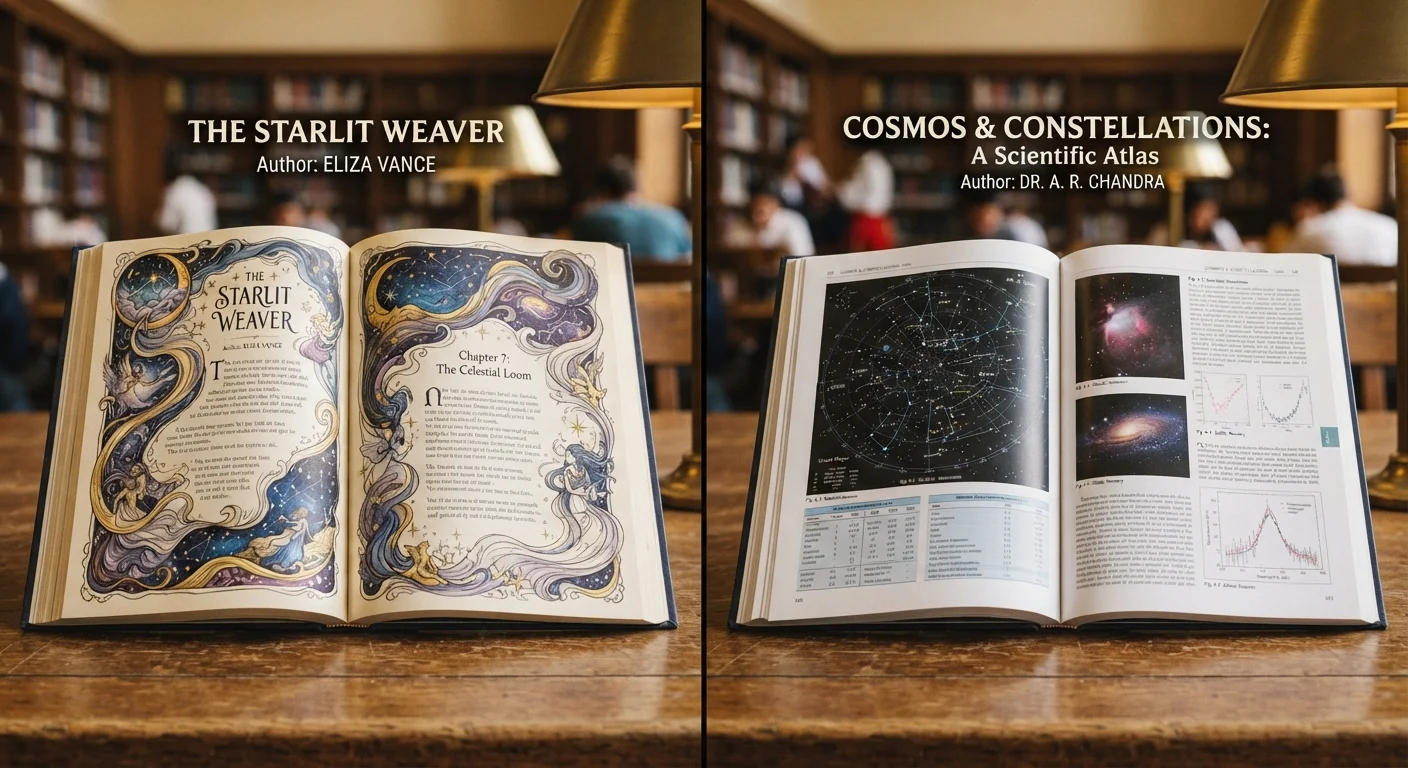
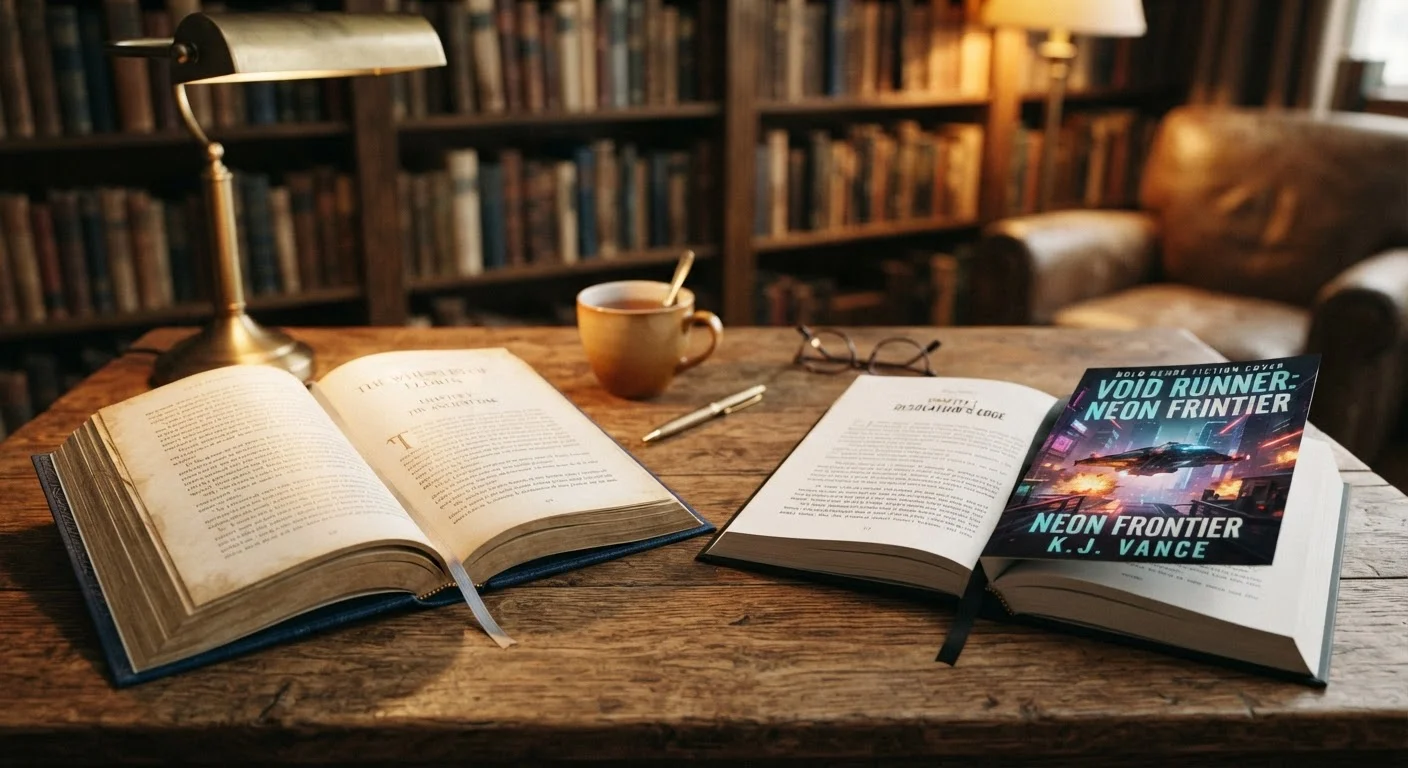
Identifying your genre is only half the equation. The other half is knowing how to evaluate individual books within it. Genre signals embedded in cover design and back-cover copy can tell you a lot about whether a specific title fits your current mood before you commit to page one.
And once you've found your footing in a genre or two, consider whether you're ready to range a little further. Reading across genre lines doesn't mean abandoning what you love - it means expanding it. Many readers find that their best discoveries happen just one shelf over from where they usually stand.
For ongoing help building a reading life that actually sticks, the Reading Habits hub offers practical strategies well beyond genre selection. And before you crack any new spine, a quick pre-read self-check can make the difference between a book you finish and one you quietly shelve after chapter three.