
Why Genre Loyalty Makes Sense
There's a reason so many readers plant a flag in one genre and stay. When you know that a cozy mystery will deliver a puzzle, a satisfying resolution, and a community of recurring characters, you're not gambling with your limited reading time - you're investing it wisely. Genre conventions are, at their core, a contract between writer and reader. Knowing the terms of that contract is its own pleasure.
Deep genre reading also builds a kind of literary fluency. A devoted thriller reader learns to spot a red herring the moment it appears. A longtime fantasy fan can clock the difference between high-epic world-building and intimate secondary-world storytelling almost instinctively. That pattern recognition sharpens over time, and it makes each new book within the genre a richer experience rather than a shallower one.
There's also a psychological case for familiarity. Reading is often how people decompress, and returning to a beloved genre functions a bit like returning to a trusted friend - the rhythms feel known and safe. That comfort is not a weakness; it's a legitimate reason to read.
Deep familiarity with conventions rewards long-term readers
Readers who stay within a genre develop an almost instinctive sense of craft - they notice when a writer subverts a convention deliberately versus accidentally, which makes both the tradition and the departures from it more interesting.
Reliable emotional experience reduces reading risk
Genre conventions exist partly to signal what kind of emotional journey a book will deliver. A romance reader knows a happily-ever-after is guaranteed; that reliability isn't a spoiler - it's part of the point.
Community and conversation deepen within a genre
Genre readers often build tight communities around shared references, authors, and debates. That social dimension - fan forums, genre-specific book clubs, award conversations - adds layers of meaning to individual books.
Efficient use of limited reading time
When time is scarce, reading within a known genre reduces the chance of a book that doesn't land. The conventions act as a quality filter calibrated to your specific preferences.
If you've ever wondered how genre conventions actually developed or what purpose they serve, genre labels and their real function is worth exploring.
What You Miss When You Never Stray
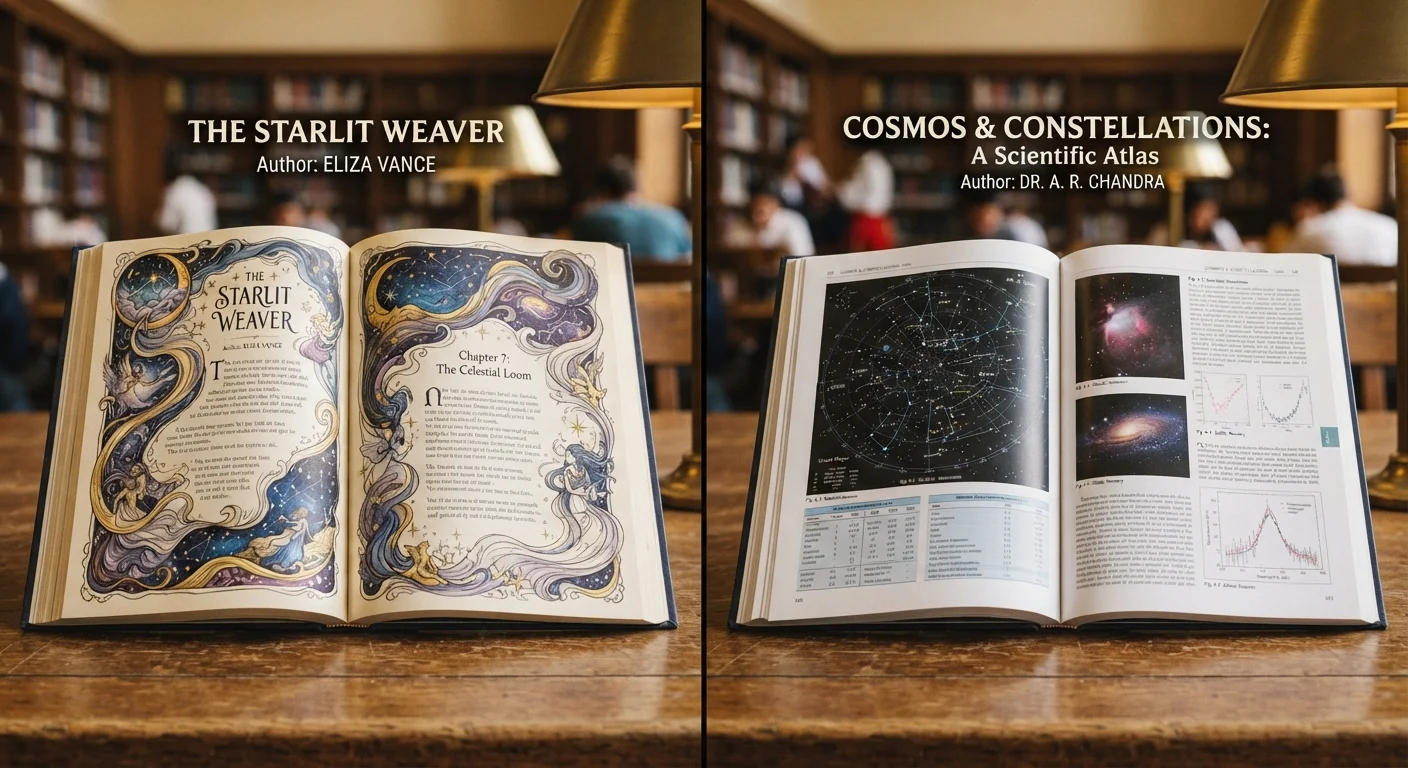
The downside of deep genre loyalty is that it can quietly narrow the range of storytelling techniques you encounter. A reader who never leaves literary fiction may not realize how propulsive plotting - the engine of most genre fiction - can make character psychology feel more urgent rather than less. A reader who stays exclusively in thrillers may miss the spacious, meditative prose that literary fiction uses to slow down and examine a single moment from every angle.
Genre boundaries also tend to cluster around assumptions about who the stories are for. Staying in one lane can mean inadvertently staying inside one demographic or cultural frame. Historical fiction set in medieval Europe is rich and rewarding, but it operates very differently from historical fiction set in colonial West Africa or Edo-period Japan. The unfamiliar setting forces a different kind of imaginative attention.
Exposure to narrative techniques stays narrow
Each genre tends to favor certain storytelling tools - thrillers prioritize pacing, literary fiction prioritizes interiority, romance prioritizes emotional arc. Staying in one genre means other tools remain unfamiliar, which can limit a reader's sense of what stories can do.
Cultural and demographic range may shrink
Genre categories often cluster around particular settings, character types, and cultural assumptions. Readers who never cross genres may unknowingly stay inside a narrow band of perspectives and voices.
Conventions can feel repetitive over time
Even beloved genres can produce reader fatigue when every book hits the same beats. Long-term genre loyalty sometimes means working harder to find books that feel fresh within an increasingly familiar formula.
Risk of missing hybrid works that defy easy labeling
Some of the most ambitious and celebrated books of recent decades actively blend genres - speculative fiction with historical narrative, romance with gothic horror. Strict genre loyalty can mean overlooking work that sits between categories.
It's worth noting that the line between "genre" and "literary" is blurrier than it looks. Genre fiction and literary fiction share more than most readers expect, and recognizing that overlap makes cross-genre reading feel less like a leap.
How to Cross Genres Without Losing Your Footing
The most effective way to venture into unfamiliar territory is to use what you already love as a bridge. If character interiority is what draws you to literary fiction, try a psychological thriller - the genre is built around the inner lives of people under pressure. If you love the lore-rich world-building of fantasy, science fiction offers the same creative ambition, just anchored in different rules. Science fiction and fantasy share deep roots even when their surfaces look completely different.
Genre Blending Is Increasingly Common
Publishers and librarians have noticed a sustained trend toward genre-blending in popular fiction. Books shelved as "upmarket fiction" often sit between literary and commercial categories, combining the prose ambition of literary fiction with the plot-driven momentum of genre storytelling. This middle ground can be an ideal entry point for readers making their first genre crossing - familiar enough to feel comfortable, different enough to expand the palette.
Reading groups can be a surprisingly effective bridge for genre crossings - someone else has already vetted the book, and discussion helps contextualize unfamiliar conventions. Reading groups and solo reading each offer distinct advantages depending on what you're after.
Genre signals - cover design, chapter length, the register of the opening pages - can also help you calibrate expectations before you're fully committed. Learning to read those cues means fewer abandoned books and more successful genre experiments. Genre signals to look for before committing to a book is a practical place to start.
Ultimately, reading across genres isn't about abandoning what you love. It's about understanding it better - and finding, occasionally, that something you assumed wasn't for you turns out to be exactly what you needed.