
Why First-Time Buyers Get Blindsided
Buying your first car is exciting - and overwhelming. Most of the attention goes to the sticker price, financing terms, and getting approved for a loan. What doesn't get enough attention are the ongoing costs that begin accumulating the moment you drive off the lot.
The full cost of car ownership extends well beyond the purchase price. Insurance premiums, fuel, registration renewals, routine maintenance, and eventual repair bills can easily add hundreds of dollars per month to the base loan payment. First-time buyers who plan only around that monthly payment often find themselves financially stretched within the first year.
The mistakes below aren't rare edge cases - they're among the most common financial missteps new car owners make. Understanding them before you buy puts you in a significantly stronger position.
The Most Costly Oversights - And How to Avoid Them
Budgeting only for the monthly loan payment and ignoring all other ownership costs.
Why it happens: The loan payment is the most visible number during the buying process, so buyers naturally anchor to it. Dealerships also tend to frame affordability around that figure.
Underestimating how quickly a new car loses value through depreciation.
Why it happens: Depreciation is invisible - there's no invoice, no bill. Many first-time buyers don't think about resale value until they try to trade in or sell.
Forgetting to budget for registration fees, title transfers, and annual renewals.
Why it happens: These fees are lumped into closing costs or rolled into the loan, making them easy to overlook. Annual renewals come as a surprise because buyers don't think past the purchase day.
Neglecting tire replacement as a planned expense.
Why it happens: Tires wear gradually, so buyers don't associate them with immediate purchase costs. Most people wait until a tire fails to think about replacement.
Assuming basic liability insurance is sufficient coverage for a financed vehicle.
Why it happens: Liability-only coverage is cheaper, and new buyers often choose it to reduce monthly costs without fully understanding the risk.
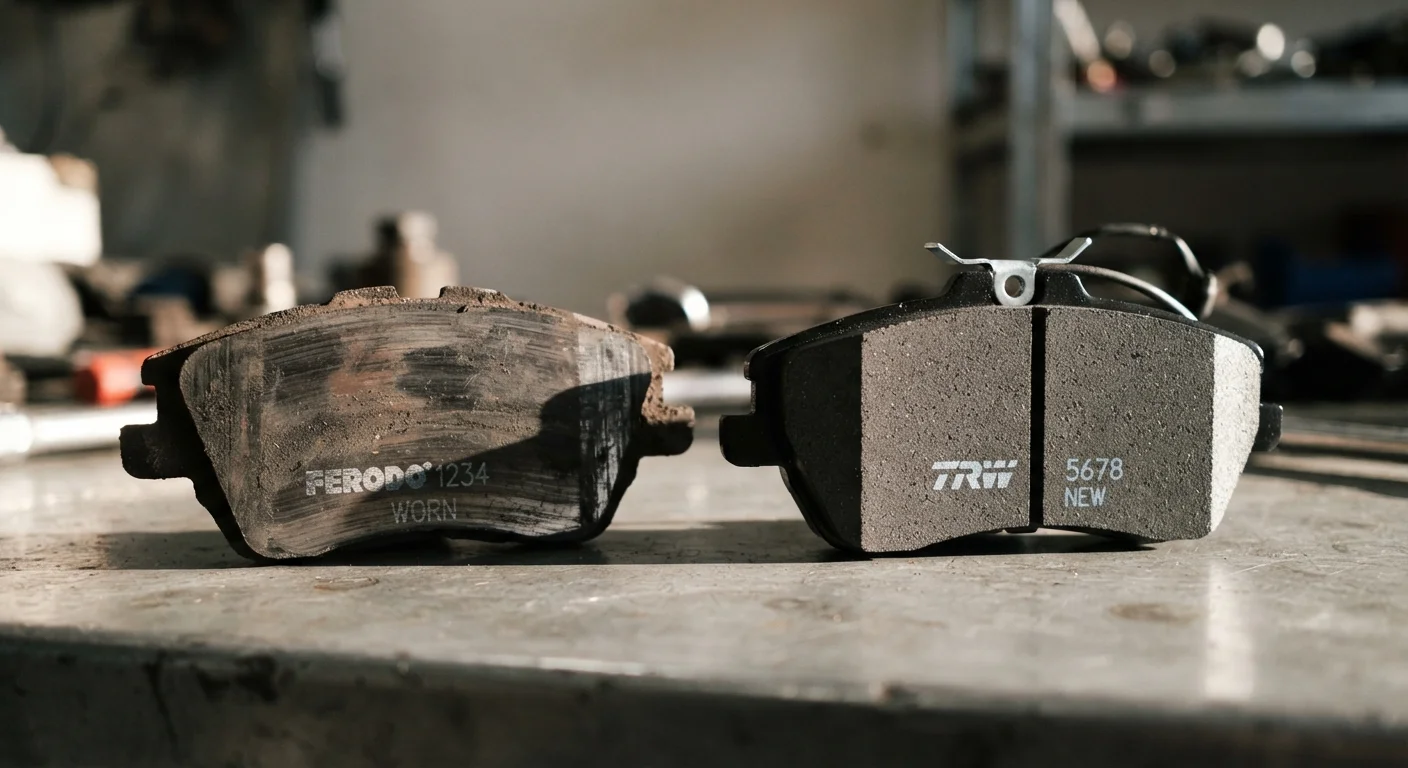
Skipping or delaying routine maintenance to save money in the short term.
Why it happens: Oil changes, filter replacements, and fluid checks feel optional when the car seems to be running fine. It's a cost buyers naturally try to defer.
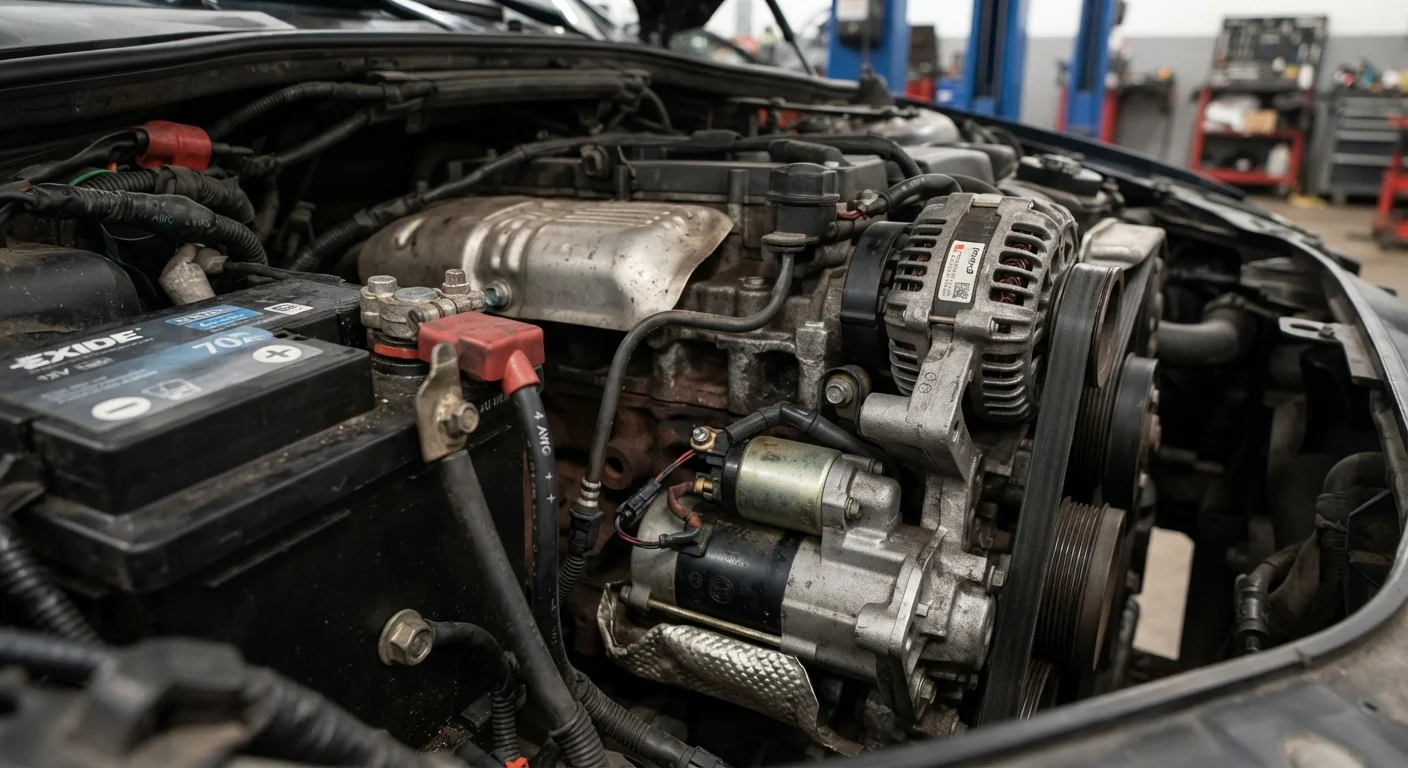
If you're new to vehicle ownership and want to understand what's under the hood and how routine checks work, our plain-English guide for first-time car owners is a practical starting point. And for a longer view, managing car costs over the long term covers how to stay ahead of expenses well past the loan payoff.
Gap Insurance Can Protect You From Serious Loss
If your car is totaled or stolen shortly after purchase, standard auto insurance typically pays only the current market value - which may be less than what you still owe on your loan. Gap insurance (Guaranteed Asset Protection) covers that difference. Without it, you could owe thousands of dollars on a car you no longer have. Check whether your lender requires it and compare options carefully before declining.
Building a Realistic Ownership Budget
The most effective protection against financial surprise is a budget that reflects the true cost of ownership - not just loan and insurance payments. Before finalizing any vehicle purchase, add up estimated monthly costs across all categories: fuel at your expected mileage, insurance premiums, a prorated share of annual registration fees, and a maintenance reserve.
It's also worth factoring in depreciation if you plan to sell or trade the vehicle within a few years. Some vehicle categories hold value better than others, and that difference can meaningfully affect your financial position down the line.
First-time buyers who approach ownership with a comprehensive budget - rather than reacting to costs as they arise - are far better positioned to avoid debt stress and keep their vehicle reliably on the road. The upfront planning takes an hour; the payoff lasts the life of the car.