Why the Sticker Price Is Only the Beginning
Walk into a dealership and the number on the windshield commands attention. It shouldn't. That figure - the manufacturer's suggested retail price - covers just one moment in a vehicle's financial life. What follows it, month after month and year after year, shapes the real cost of ownership far more than the purchase price alone.
Most buyers negotiate on price but never calculate what they'll actually spend. The result is a budget built on an incomplete picture. Understanding the full cost of car ownership before signing anything is one of the most practical steps any buyer can take.
Before committing to a vehicle, it's worth reviewing what to check at the dealership to make sure all terms are clear and no fees are buried in the paperwork.
Depreciation: The Cost No Invoice Shows
Depreciation is the difference between what a vehicle is worth when you buy it and what it's worth when you sell or trade it in. For new cars, that gap can be significant in year one - commonly in the range of 15-25% of the purchase price - and continues in subsequent years, though at a slower pace.
This matters because depreciation is rarely discussed at the point of sale, yet it's often the largest single cost of ownership. A driver who keeps a vehicle for five years and then sells it absorbs that full loss in value. Buyers who want to reduce this exposure often look at vehicles that are two to three years old, where the steepest depreciation has already been absorbed by the original owner. Our new car vs. used car analysis examines how depreciation factors into that decision.
~20%
Average new car value lost in year one
Industry estimates suggest new vehicles commonly depreciate 15-25% in the first twelve months of ownership.
$10,000+
Average annual cost of owning a new vehicle
AAA's annual Your Driving Costs study consistently estimates total new vehicle ownership costs in the five-figure range annually when all categories are included.
72 months
Common auto loan term length in the U.S.
Longer loan terms have become increasingly common, which lowers monthly payments but significantly increases total interest paid over the life of the loan.
Insurance, Fuel, and Financing: The Recurring Costs
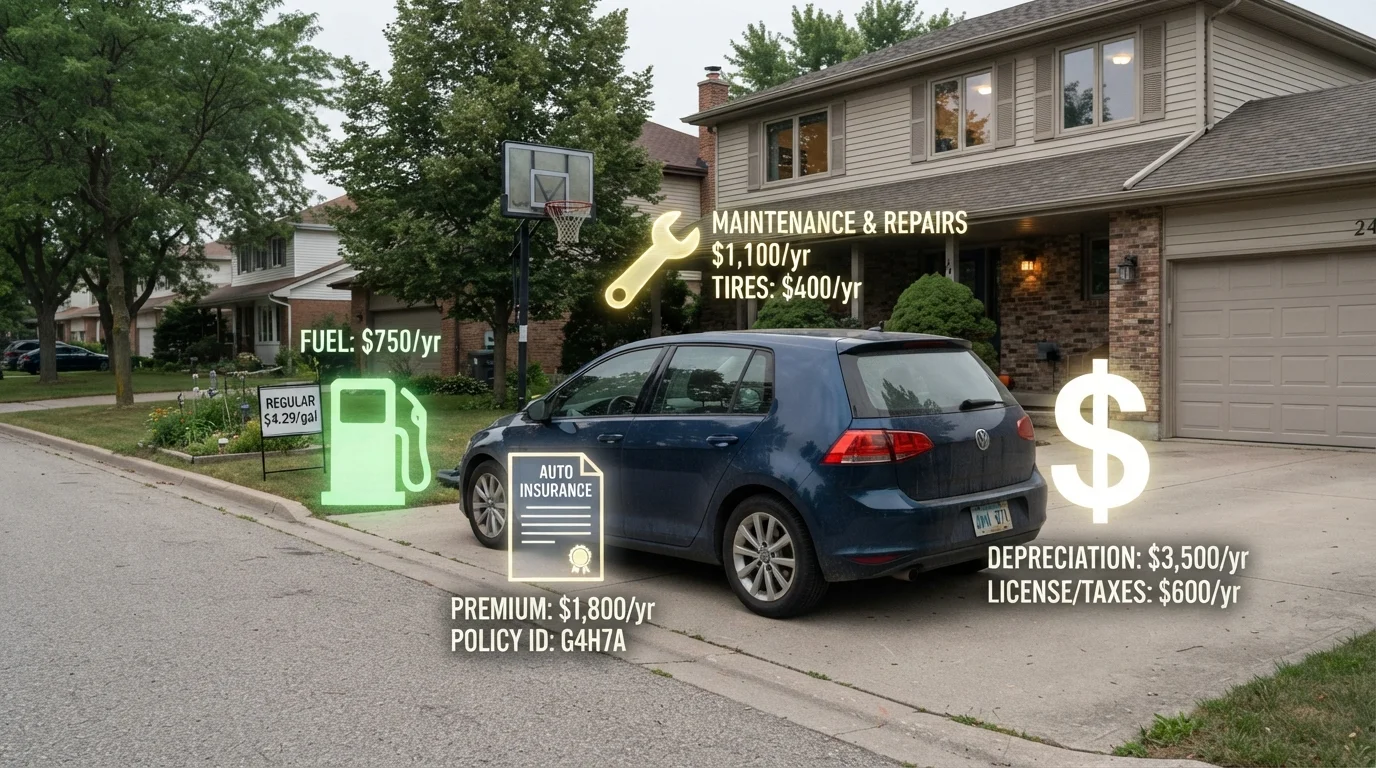
Three costs recur throughout ownership and collectively represent a significant share of annual vehicle expenses.
Insurance is mandatory in nearly every U.S. state, and premiums vary based on the vehicle, driver history, location, and coverage level. A vehicle with high repair costs or a poor safety record typically commands higher premiums. Shopping for coverage at policy renewal - and understanding what each coverage type actually protects - can prevent overpaying.
Fuel costs depend on how much you drive, the vehicle's fuel efficiency rating, and local gas prices. A vehicle rated at 25 mpg versus 35 mpg can represent hundreds of dollars in annual difference for a driver logging 15,000 miles per year.
Financing interest is the cost of borrowing money to buy the vehicle. Longer loan terms reduce the monthly payment but increase total interest paid. Understanding how loan terms work - APR, amortization, and total repayment - is essential before signing. Our explainer on how auto loans work breaks this down clearly.
Maintenance, Repairs, and the Costs That Accumulate Over Time
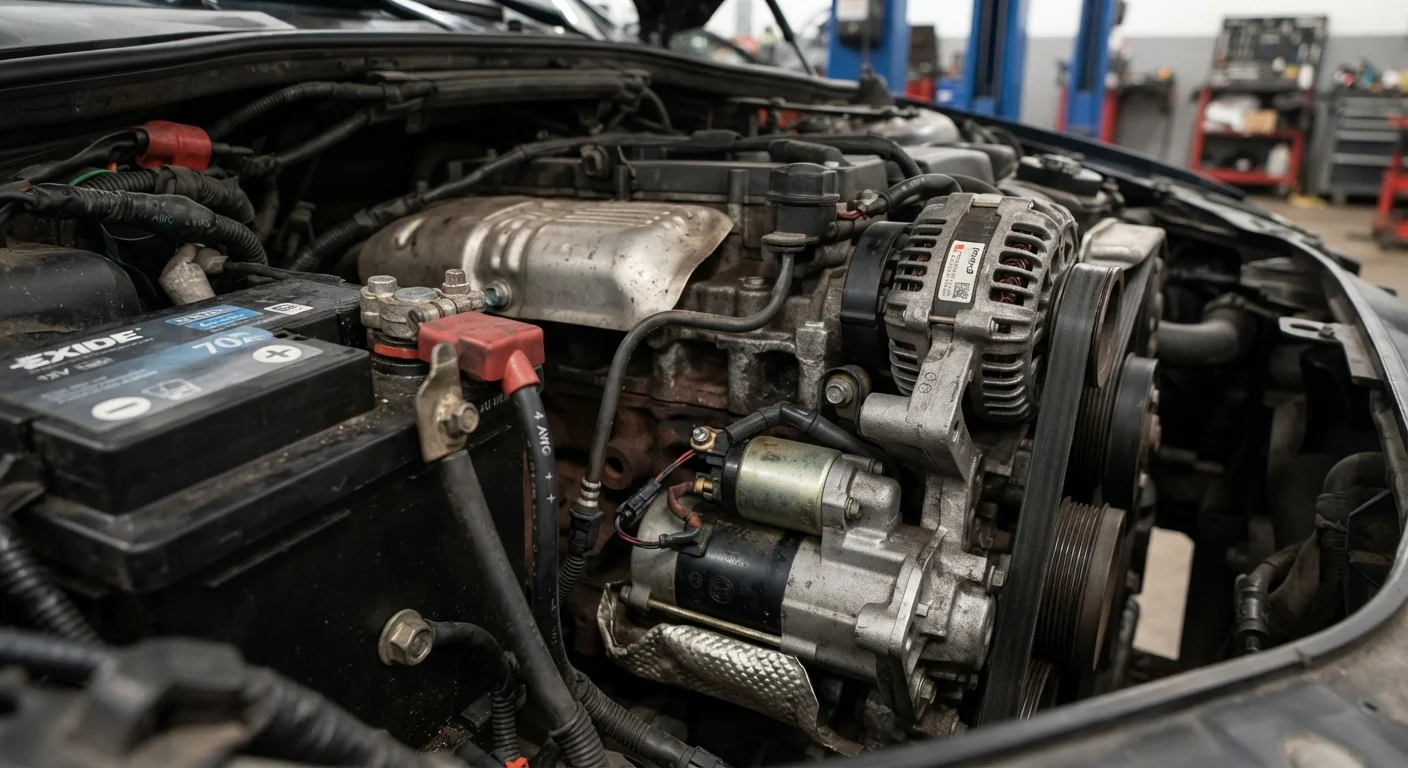
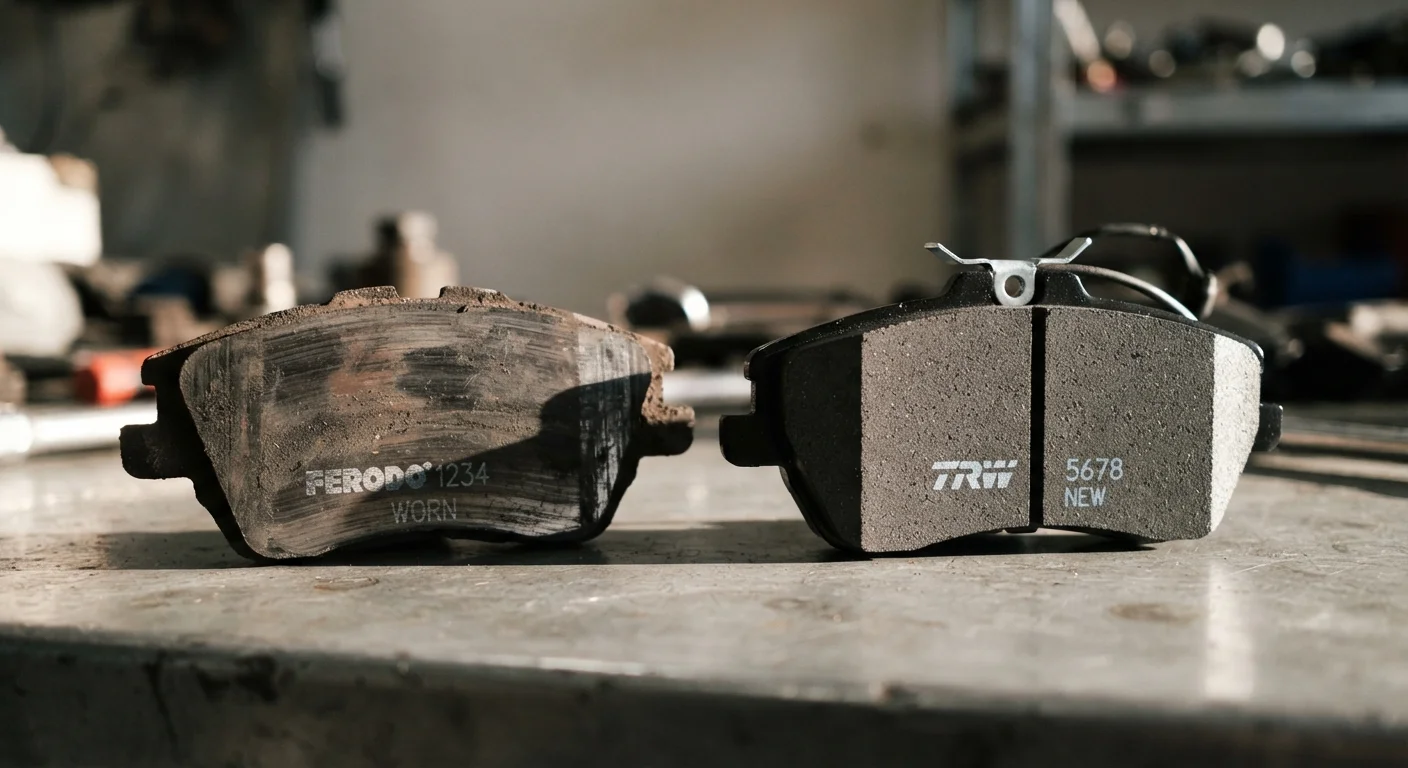
Routine maintenance - oil changes, tire rotations, brake inspections, fluid replacements - is predictable and, when followed consistently, helps prevent larger expenses. Skipping scheduled service rarely saves money; it typically shifts costs forward and increases them.
Unplanned repairs are harder to anticipate but can be planned for. Setting aside a monthly amount into a vehicle maintenance fund smooths out the impact when a water pump fails or tires need replacement. The car maintenance hub provides guidance on what routine upkeep actually involves and when professional service is necessary.
As vehicles age, the calculus shifts. Repair costs that exceed a vehicle's market value become harder to justify. Knowing how to track this tipping point is part of managing ownership costs over the long term.
Build a Vehicle Maintenance Reserve
Rather than treating car repairs as unexpected emergencies, set aside a fixed amount each month into a dedicated savings fund. Even $50-$75 per month accumulates enough over a year to cover most routine repairs and reduces the financial shock of unplanned maintenance. Consistent upkeep also helps preserve resale value over time.
Leasing vs. Buying: A Different Cost Structure
Leasing distributes costs differently than buying. Monthly lease payments are typically lower because the driver is paying for depreciation only during the lease term, not the full vehicle value. But at the end of a lease, there's no asset - and mileage overages or wear-and-tear charges can add unexpected expense.
Buying, by contrast, builds equity over time, particularly once the loan is paid off. A fully paid vehicle with years of remaining useful life can dramatically lower annual transportation costs. Whether leasing or buying makes more financial sense depends heavily on individual circumstances. Our buying vs. leasing framework offers a structured way to think through that decision.