The Core Difference: Ownership vs. Access
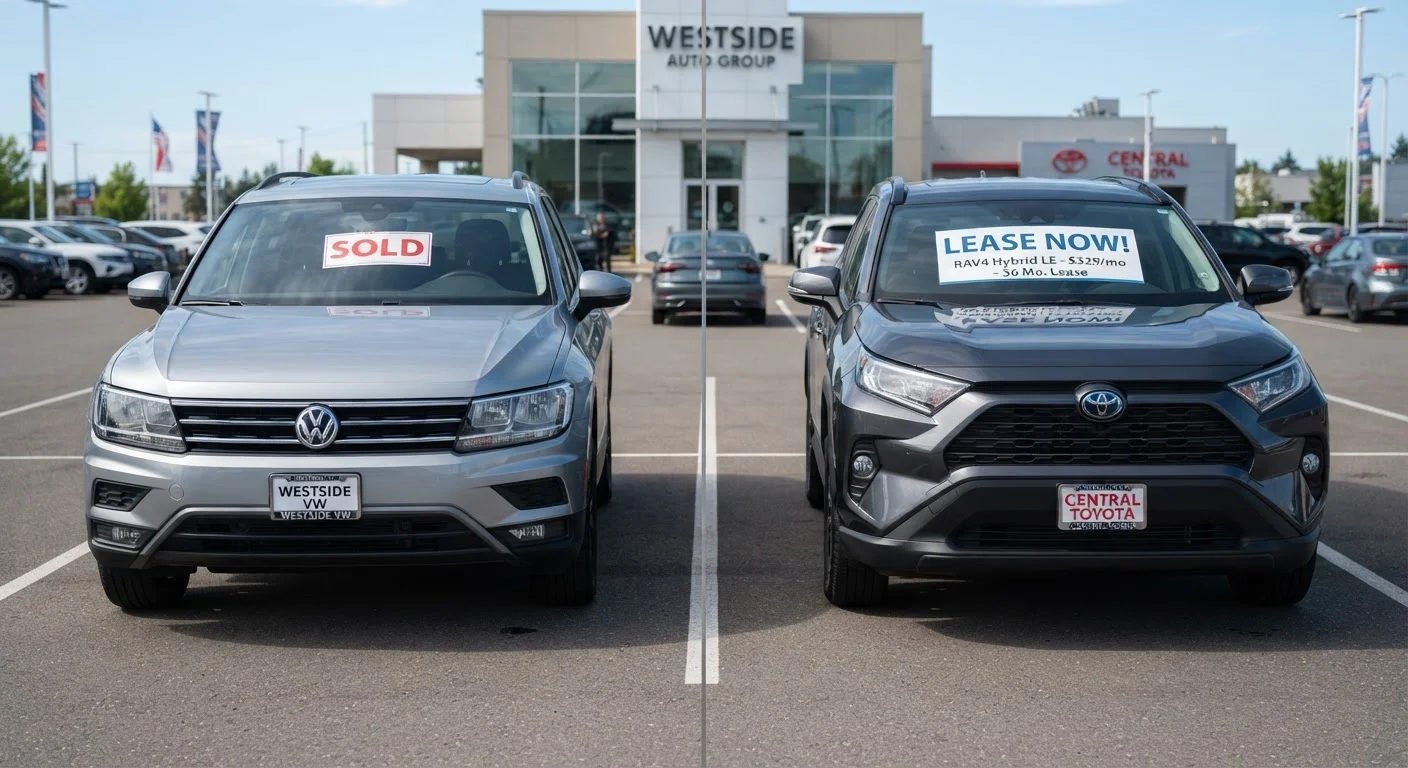
When you buy a vehicle - whether outright or through a loan - you're acquiring an asset. Every payment moves you closer to full ownership, and once the loan is paid off, you have a vehicle with no monthly obligation and potential resale value. When you lease, you're paying for the right to use a vehicle for a set period, typically two to four years, and returning it at the end. You never own the asset.
That distinction shapes almost every other trade-off in this decision. For a deeper look at how leasing is structured - including terms like residual value, money factor, and capitalized cost - see how leasing works and who it tends to suit.
Key Factors That Should Drive Your Decision
Rather than asking which option is cheaper in the abstract, work through these concrete variables:
Annual Mileage
Leases come with mileage caps - commonly 10,000 to 15,000 miles per year. Exceeding them triggers per-mile overage fees that can add up quickly. If you drive more than 15,000 miles annually, buying typically offers better value.
How Long You Keep Vehicles
Buyers who hold a vehicle for eight or more years spread the purchase cost across a long ownership window, often paying nothing once the loan clears. Frequent upgraders who wouldn't keep a bought vehicle long may find the math closer to leasing - though perpetual leasing means perpetual payments.
Monthly Budget Flexibility
Lease payments are generally lower than loan payments for an equivalent vehicle because you're only financing the depreciation during the lease term, not the full price. That said, lower monthly payments don't automatically mean lower total cost. The full cost of car ownership extends beyond the monthly payment in both scenarios.
Desire for Customization or Modification
Leased vehicles must typically be returned in near-original condition. Buyers can modify, accessorize, or maintain as they choose.
| Buying | Leasing | |
|---|---|---|
| Ownership | Full ownership after loan payoff | No ownership; vehicle returned |
| Monthly Payment | Typically higher | Typically lower |
| Mileage Limits | None | Annual cap; fees for overages |
| Long-Term Cost | Lower if vehicle is kept long-term | Higher if continuously leasing |
| Warranty Coverage | Expires; buyer assumes repair costs | Usually covered throughout lease |
| Flexibility to Modify | Full flexibility | Very limited; must return as-is |
| End-of-Term Options | Sell, trade in, or keep | Return, buy out, or re-lease |
The Long-Term Cost Picture
Over a ten-year horizon, the economics of buying versus continuous leasing generally favor buying - assuming the vehicle is maintained well and driven past the loan payoff. Once a loan ends, the cost structure drops dramatically: no more principal payments, though maintenance costs typically rise.
Continuous lessees, by contrast, are perpetually in a payment. They gain predictability and warranty coverage, but they don't accumulate equity and can't eventually eliminate a payment the way a buyer can. For those thinking about the longer arc of ownership, managing long-term ownership costs is worth considering from the outset.
One nuance: buyers face greater exposure to unexpected repair costs, particularly after the factory warranty expires. Lessees typically stay within warranty coverage throughout the lease term, which provides some cost predictability.
When Leasing Makes Practical Sense
Leasing isn't a worse option - it's a different one, suited to specific situations. Consider leasing if:
- You drive a predictable, moderate number of miles annually
- You value always driving a vehicle under warranty with the latest safety features
- Your business use qualifies lease payments as a deductible expense (consult a tax professional for your specific situation)
- You prefer not to deal with the uncertainty of resale or trade-in value at the end of ownership
If you do eventually buy out a lease or transition from leasing to buying, understanding how trade-in and resale values are assessed will matter. Trade-in valuations vary widely, and knowing what affects them helps you avoid leaving money on the table.
Run the Numbers for Your Actual Situation
Before committing to either path, compare total five-year costs - not just monthly payments. Include insurance differences, estimated maintenance, and any lease-end fees. A slightly higher monthly payment on a purchase can result in significantly lower overall spending once the loan is retired and no further payments are due.
Making the Call
A useful exercise: sketch out both scenarios over a five-year window using your actual numbers - your expected mileage, a realistic vehicle price range, and current loan and lease terms you've been quoted. Compare total outlay, not just monthly payment. Also weigh the intangible: some drivers value the freedom of ownership; others genuinely prefer the simplicity of turning a vehicle in and starting fresh.
If you're weighing a new versus used purchase as part of this decision, what the numbers say about new vs. used cars provides useful context on depreciation curves and financing differences that affect both buying and leasing scenarios.
There's no universally correct answer - only the answer that fits your mileage habits, financial goals, and how you relate to the vehicles you drive.