Why No Two Trade-In Offers Are the Same
If you've ever shopped a trade-in across multiple dealerships, you've probably noticed the offers can differ by hundreds-sometimes thousands-of dollars. This isn't a glitch or a negotiating trick. It reflects the fact that trade-in values are not set by a single standard. Each buyer arrives at a number based on their own costs, their current inventory, and what they believe they can sell your vehicle for after reconditioning it.
Understanding how depreciation affects your vehicle's value is the foundation of understanding trade-in pricing. Dealers typically reference wholesale market data-what similar vehicles are selling for at auction-not the retail prices consumers see on lot listings. That gap between wholesale and retail is where reconditioning costs, dealer overhead, and profit margin all live.
Local market conditions play a significant role as well. A dealership that already has several vehicles similar to yours in stock has less incentive to offer top dollar. One that's actively trying to fill a gap in its used inventory may offer considerably more for the same car.
~20%
Typical gap between retail and wholesale vehicle prices
Industry appraisers generally estimate a 15-25% spread between what consumers pay at retail and what dealers pay at wholesale auction, which directly affects trade-in offers.
3+
Appraisals recommended before accepting a trade-in offer
Consumer advocates and automotive financial educators commonly recommend gathering at least three independent appraisals to establish a reliable value range for your vehicle.
$1,000-$3,000
Typical variance between competing trade-in offers
Automotive industry observers note that trade-in offers for the same vehicle can vary by $1,000 to $3,000 or more depending on dealer inventory needs and local market conditions.
The Key Factors That Shape Your Offer
Every appraisal weighs a combination of vehicle-specific and market-level factors. On the vehicle side, the primary considerations include:
- Mileage: Lower mileage generally supports a higher offer, though the relationship isn't always linear. High mileage accelerates depreciation and raises reconditioning concerns.
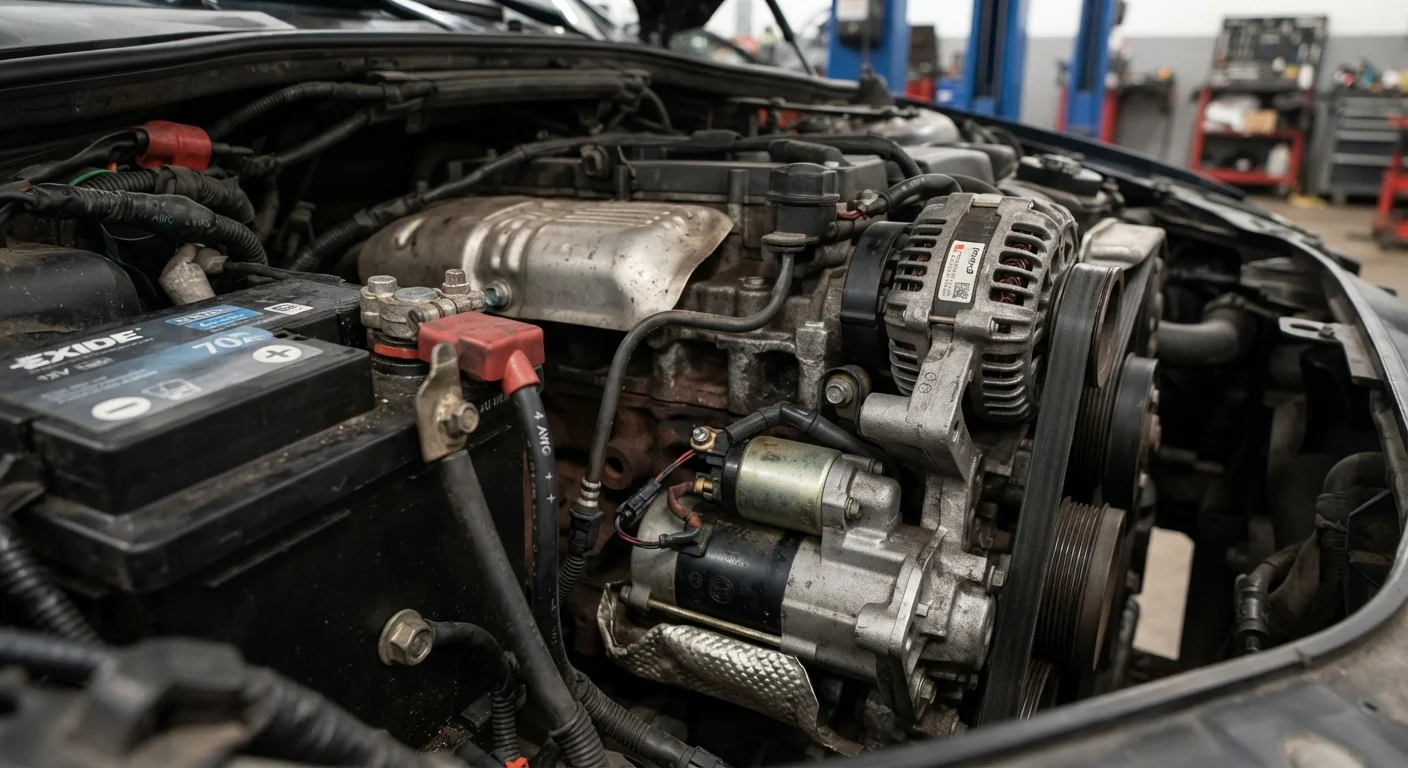
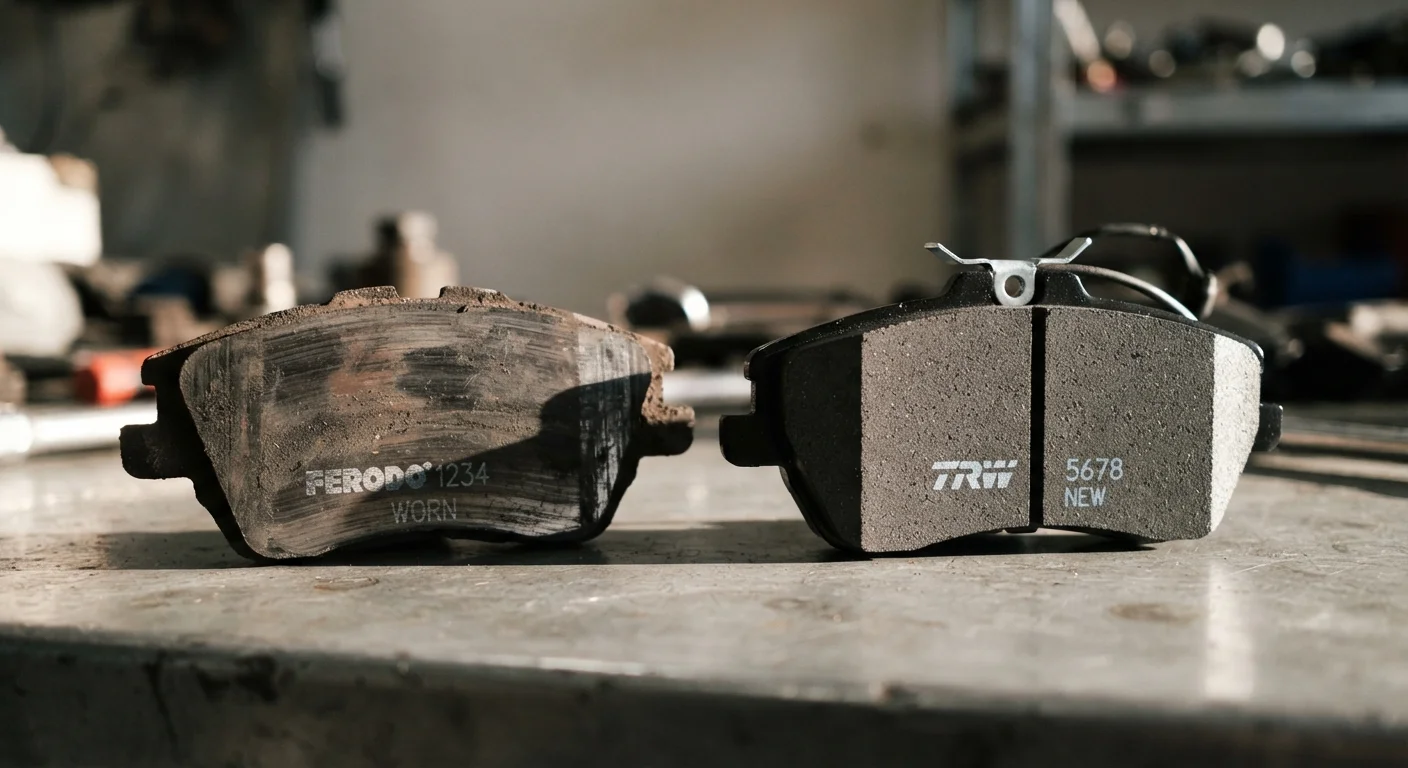
- Condition: Paint, interior wear, mechanical soundness, and tire life all factor in. Dealers build reconditioning cost estimates directly into their offers.
- Service history: A documented maintenance record signals that the vehicle has been cared for, which reduces perceived risk for the buyer.
- Title status: A clean title commands more than a rebuilt or salvage title, which limits resale potential and financing eligibility for the next buyer.
- Trim and options: Popular configurations and packages typically retain value better than base or unusual trims with limited buyer appeal.
On the market side, regional demand, seasonal trends, and fuel prices can all shift what a specific vehicle type is worth at a given moment. Trucks and SUVs, for example, often hold stronger trade-in value in regions where they're in high demand year-round.
How to Get a More Accurate Picture Before You Walk In
The most practical step you can take is gathering multiple offers before committing to any single buyer. Online appraisal tools provide a reasonable starting benchmark, but they're typically contingent on a physical inspection-treat initial online quotes as a floor, not a final number.
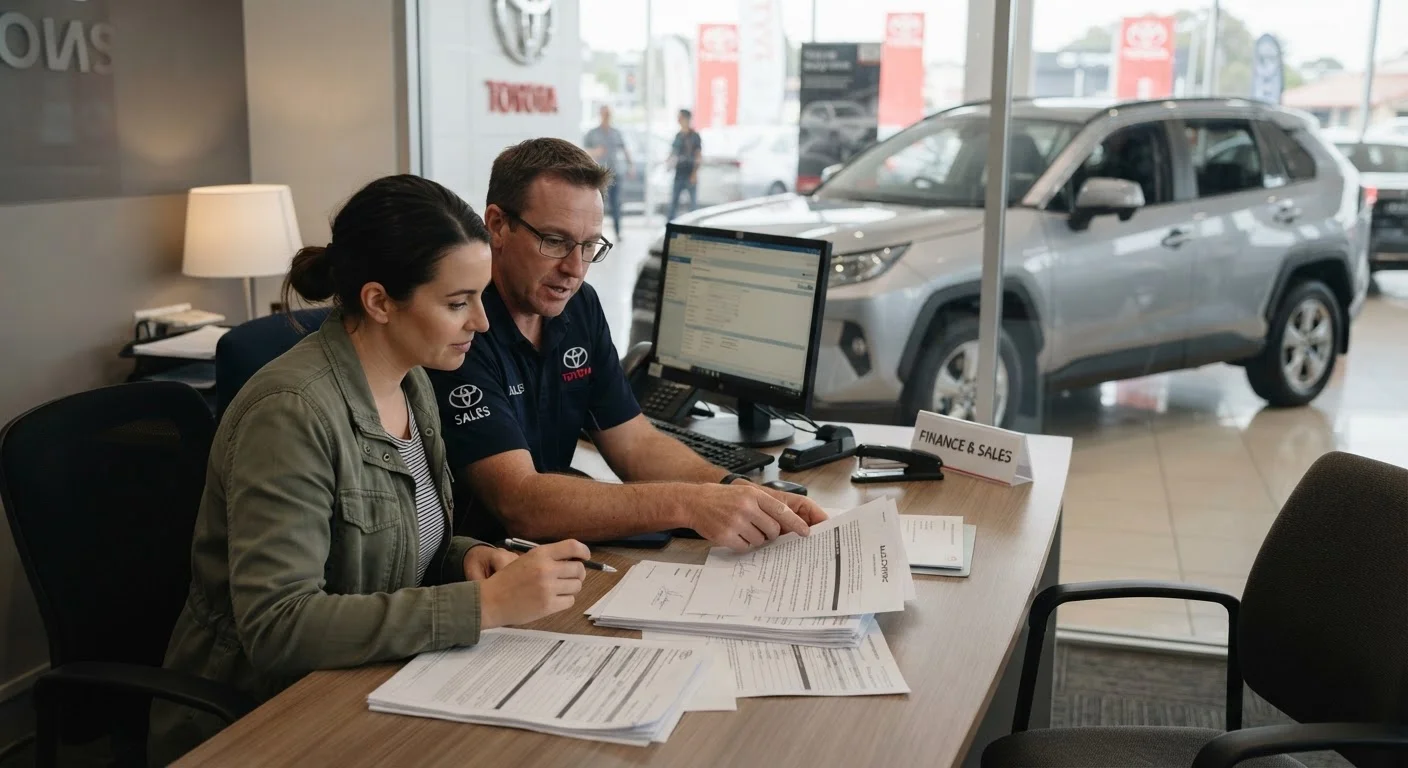
Visiting two or three dealerships for in-person appraisals gives you a sense of the real range. It also gives you leverage: a higher competing offer is a straightforward, low-pressure way to see whether a dealer is willing to close the gap.
Separating the trade-in negotiation from the new-vehicle purchase is a discipline worth maintaining throughout the process. When a dealer handles both at once, favorable movement on one side of the deal can be quietly offset by less favorable terms on the other. Negotiating each component independently makes it easier to evaluate what you're actually receiving. For more on what to review before any deal is finalized, see what to check at a car dealership before you sign.
Trade-In vs. Private Sale: Weighing the Trade-Offs
A private sale will usually yield a higher dollar amount than a dealer trade-in-sometimes significantly so. That's because you're selling directly to an end buyer who is paying closer to retail value, without a dealer's reconditioning margin in between.
The trade-off is time, effort, and risk. A private sale requires listing the vehicle, fielding inquiries, arranging test drives, vetting buyers, handling paperwork, and managing payment safely. Depending on your circumstances, those factors may or may not be worth the additional return.
A trade-in, by contrast, is faster, simpler, and eliminates most of the transaction risk. If you're already navigating a new-vehicle purchase-weighing considerations like those covered in what the numbers actually say about new vs. used cars-adding the complexity of a private sale may not be the right fit. There's also a potential tax advantage in some states, where trading in reduces the taxable sale price of the vehicle you're purchasing. Verify the rules in your state before assuming this benefit applies.
Neither path is universally better. The right choice depends on how much time you have, how much the price difference matters to you, and how comfortable you are handling a private transaction. Knowing both options clearly is what lets you make that call with confidence.