
The Phrase That Means Everything - and Nothing
Every January, millions of Americans tell themselves some version of the same thing: I want to read more this year. It's a genuinely good impulse. But as a plan, it has a problem - it's about as specific as saying you want to "eat better" without knowing whether you mean more vegetables, fewer processed foods, or simply sitting down for meals instead of eating over the sink.
"Reading more" carries at least four distinct meanings, and each one points toward a completely different set of habits. Blurring them together is one of the main reasons reading resolutions stall. The phrase feels like a single goal but is actually a cluster of separate intentions dressed up in the same words.
Before mapping out a reading life, it's worth pausing to ask: more of what, exactly?
The Four Dimensions of Reading More
Frequency is about how often you sit down with a book. A reader who wants to read more frequently is looking to make books a regular presence in daily life - not necessarily longer sessions, just more consistent ones. This is often the right goal for someone who used to read regularly and has drifted away from the habit.
Volume is about how much you read in total - pages per session, books per year, time spent. Someone chasing volume might already read regularly but wants to push deeper into their stack or finish more of what they start. It's the goal most associated with annual book-count challenges.
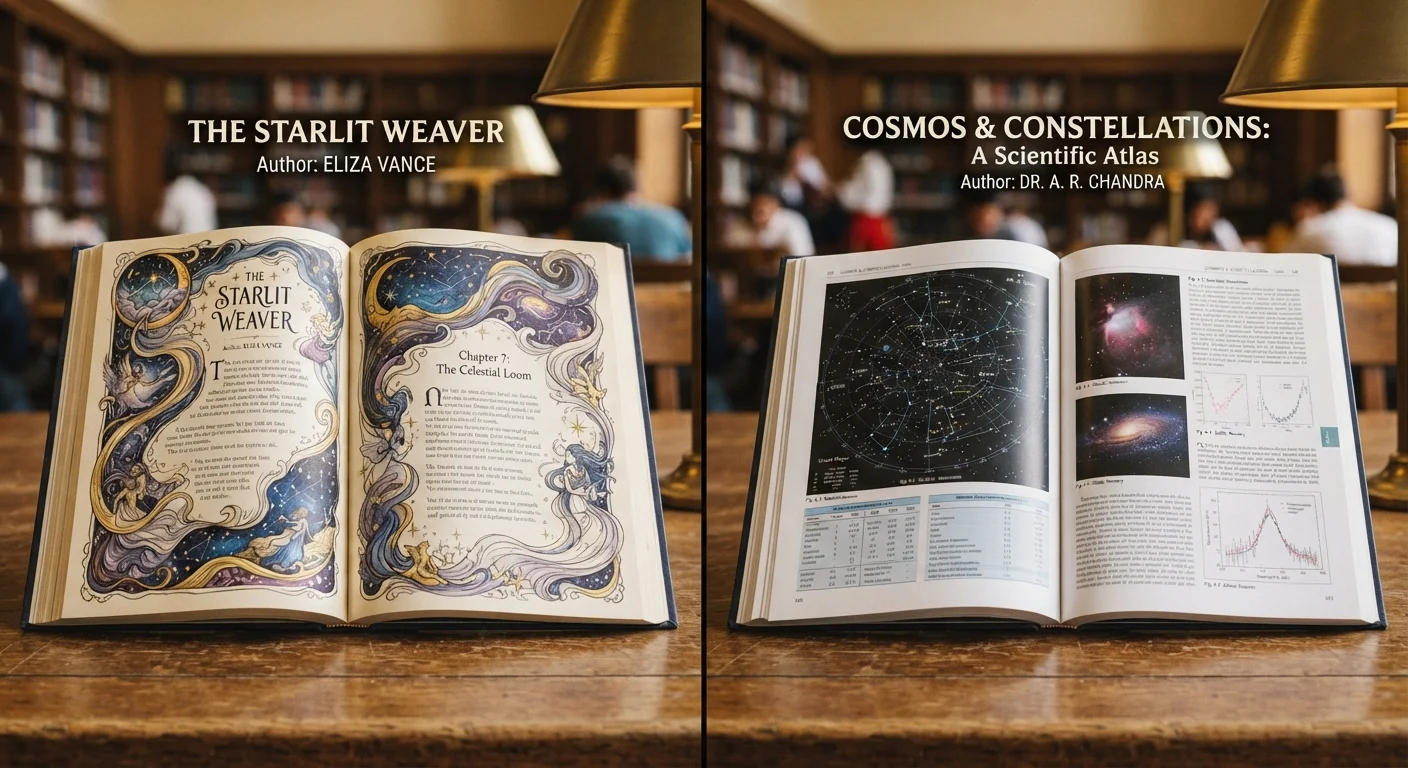
Breadth is about range. A reader focused on breadth wants to explore unfamiliar genres, subjects, or authors - to widen the map rather than go deeper on familiar territory. If every book on your shelf looks roughly the same, breadth is probably what's calling to you. Crossing genre lines can expose you to ideas and techniques that a single-genre reading life rarely surfaces.
Depth is about engagement - slowing down, annotating, discussing, sitting with a text long enough that it actually changes how you think. Depth-focused readers may finish fewer books but carry them further. This is the dimension most undervalued in a culture that celebrates book counts on social media.
Naming Your Real Reading Goal
Try finishing this sentence before setting any reading goal: "What's missing from my reading life right now is _____." The answer - consistency, range, volume, or depth - tells you which dimension to work on first. One clear dimension beats four vague intentions every time.
Why the Framing Shapes the Outcome
The dimension you identify matters practically, not just philosophically. Frequency problems are solved by finding small, reliable reading windows - morning versus evening reading is a real and personal question. Volume problems are often about finishing rather than starting - which points toward book selection, not scheduling. Breadth gaps are solved by actively choosing unfamiliar territory. Depth problems call for slowing down and adding a reflective layer, whether that's a reading journal, a conversation, or simply rereading a chapter.
Applying the wrong solution to the right problem is a common source of frustration. Someone who feels disconnected from books doesn't need to read 52 books this year - they need to read today. Someone who wants more intellectual nourishment from their reading life doesn't need more books; they need to engage more with the ones they're already reading.
Building a lasting reading habit becomes considerably easier once you know which dimension you're actually trying to develop. The goal stops being abstract - "read more" - and becomes something you can design around.
What This Means in Practice
None of the four dimensions is more virtuous than the others. A reader who tears through genre fiction at high volume and loves every page of it is reading well. A reader who spends three months with a single dense biography and emerges transformed has also read well. The measure isn't output - it's whether your reading life is giving you what you actually came for.
It's also worth noting that your answer may change. Life stages shift reading habits naturally: a new parent may need short, high-frequency sessions just to stay connected to books at all; a summer traveler might finally have the uninterrupted hours for volume; a period of personal challenge might make depth - slow, careful reading - the most nourishing approach available.
Reading goals that actually reflect how you read are goals built around this kind of honest self-assessment. And tracking what you read - even simply - can reveal patterns about which dimension is thriving and which is quietly being neglected. The goal isn't to optimize your reading life into a productivity system. It's to know what you want from books well enough to actually get it.