Cover design, back-cover copy, chapter length, and tone all signal a book's genre before page one. Learn how to read those cues confidently.
Key Takeaways
Cover design, color palette, and typography are intentional genre signals crafted by publishers.
Back-cover copy follows genre-specific patterns that reveal what kind of reading experience awaits.
Chapter length and opening prose tone are reliable indicators of pacing and genre conventions.
Shelf placement and category labels in a bookstore or library give immediate genre context.
Cross-checking multiple signals gives you a much more reliable genre read than any one cue alone.
Why Genre Signals Matter Before Page One
You've probably been burned before - you pick up a book expecting atmospheric mystery and end up halfway through what turns out to be a slow-burn literary novel. Or you grab something from a friend's shelf thinking it's a thriller and discover it's actually speculative science fiction with a hefty world-building investment up front. Neither experience is bad, but neither is what you were ready for.
The good news: publishers, designers, and authors all embed genre signals throughout a book's packaging and opening pages. Learning to read those signals fluently is one of the most practical skills a reader can develop. It's a bit like learning to read a movie trailer - once you understand the shorthand, you stop walking into the wrong screening.
This checklist walks you through the most reliable cues, from the cover to the first chapter. Think of it as your pre-commitment audit. For a broader map of where each genre sits, see our breakdown of major literary genres - it's a useful companion reference as you work through these signals.
Cover & Visual Design
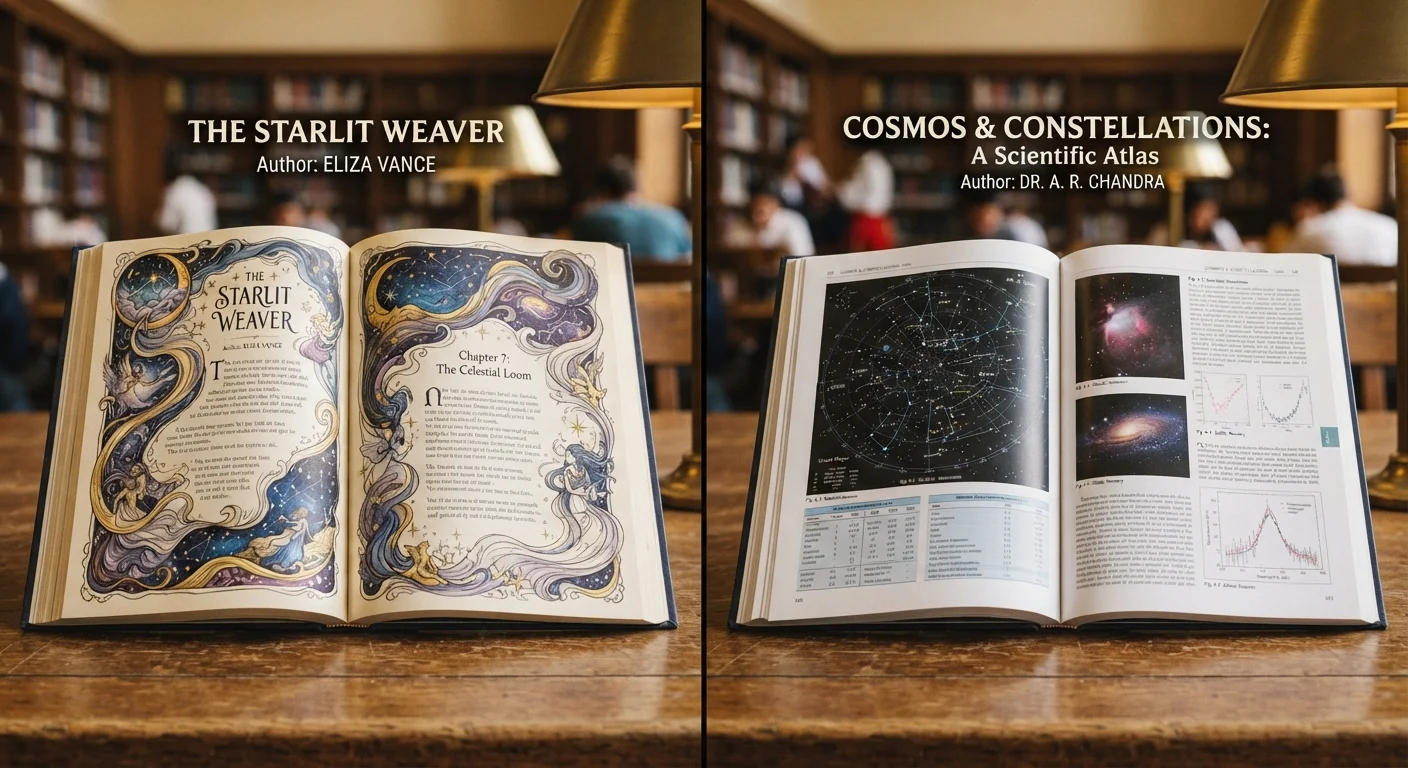
Examine the dominant color palette - cool blues and grays often signal thriller or mystery, while warm pastels lean toward contemporary romance or women's fiction.Must
Note the typography style: serif fonts with ornate detailing often suggest literary or historical fiction, while bold sans-serif fonts frequently signal crime, thriller, or YA.Must
Look at the central cover image - a silhouetted figure in a landscape points toward adventure or literary fiction, while an object close-up (a knife, a locket) often signals genre fiction with a plot-driven hook.Should
Check for series numbering or a series name on the cover, which signals genre fiction (fantasy, romance, mystery) built around recurring characters or worlds.Should
Back Cover & Jacket Copy
Read the back-cover blurb for question-driven hooks ('What will she discover when…?') - these are strong signals of commercial genre fiction with a plot-first structure.Must
Look for explicit genre category lines, often printed near the barcode or at the top of the back cover (e.g., 'Fiction / Mystery & Detective').Must
Scan the blurb for emotional promise words: 'heart-pounding' signals thriller, 'sweeping' signals epic or historical fiction, 'tender' signals literary or contemporary fiction.Should
Check who provided advance praise - blurbs from genre authors (rather than literary critics or academics) confirm the book is positioned within a genre readership.Nice to have
Shelf Placement & Metadata
Note which section a physical bookstore shelves the title in - genre sections (Mystery, Sci-Fi/Fantasy, Romance) are the publisher's own genre declaration.Must
Check the BISAC category printed inside the book or listed on the retailer's product page - this standardized industry classification is the most authoritative genre label available.Should
Look at the publisher or imprint name on the spine - dedicated genre imprints specialize in specific categories and rarely stray.Nice to have
Opening Pages & Prose
Read the first two pages and note the sentence length - short, punchy sentences signal fast-paced genre fiction; longer, complex constructions suggest literary or historical fiction.Must
Check whether the narrative opens with action or tension (genre fiction) versus interiority or setting atmosphere (literary fiction or narrative nonfiction).Must
Skim the chapter length - very short chapters (under five pages) signal a thriller or YA pacing model; longer chapters suggest literary, historical, or upmarket fiction.Should
Look for genre-specific world-building elements in the opening: fantasy and science fiction typically introduce unfamiliar systems, terminology, or settings within the first few pages.Should
Notice whether the narrator's voice is immediate and confiding (common in contemporary and YA) or more distanced and formal (common in historical or literary fiction).Nice to have
How to Use These Signals Together
No single signal is definitive on its own. A moody dark cover could belong to a gothic romance, a psychological thriller, or a piece of literary fiction. The key is triangulation: stack at least three or four signals before drawing a conclusion. When the cover typography, the back-cover language, the opening chapter's pacing, and the shelf placement all point the same direction, you can commit with real confidence.
It's also worth knowing what genre you're in the mood for before you start scanning signals - that way you're filtering rather than just gathering data. Our reader's self-assessment guide can help you clarify your current reading appetite before you ever walk into a bookstore or open an online catalog.
Genre-Blending Books Can Mislead Single Signals
Some books are deliberately designed to straddle two or more genres - romantic suspense, literary thriller, and historical fantasy are common hybrids. If the cover sends one signal but the back-cover copy sends another, treat that tension as useful information rather than a contradiction. It likely means the book blends genres, and you should decide whether that combination suits your mood. Our companion article on what genre labels are actually for explains why these hybrids exist and how to think about them.
And if you find yourself consistently drawn to signals outside your usual genre, that's valuable self-knowledge. Reading across genres has real rewards - but going in prepared, with your eyes open to what a book is actually offering, is always the smarter move.
Once you've confirmed a book's genre and feel ready to start, you might also find it useful to run through our pre-reading self-check - a short companion checklist that helps you set up each new read for success rather than early abandonment.
Books Editorial Team is the collective byline for our editorial team and contributor network. Articles published under this byline or an editorial pen name are researched, written, and reviewed according to our editorial standards for clarity, consistency, and independence before publication.
The content on this site is for informational purposes only and is not a substitute for professional advice. Always consult a qualified professional for guidance specific to your situation.