
The Frustration Behind the Label
It's a familiar complaint among readers: a beloved novel gets shelved in the wrong section, or a writer bristles when their work is called "just a thriller." Genre labels can feel reductive, like pinning a butterfly to a board and calling the work done. But the frustration often comes from misunderstanding what genre labels are actually designed to do - and who they're designed to serve.
Labels like "mystery," "romance," "science fiction," or "literary fiction" weren't invented to rank books by prestige. They emerged organically from the way readers, publishers, and booksellers needed to organize an overwhelming volume of titles. Think of genre as a filing system rather than a report card. A filing system doesn't say one folder is more important than another - it just helps you find what you're looking for.
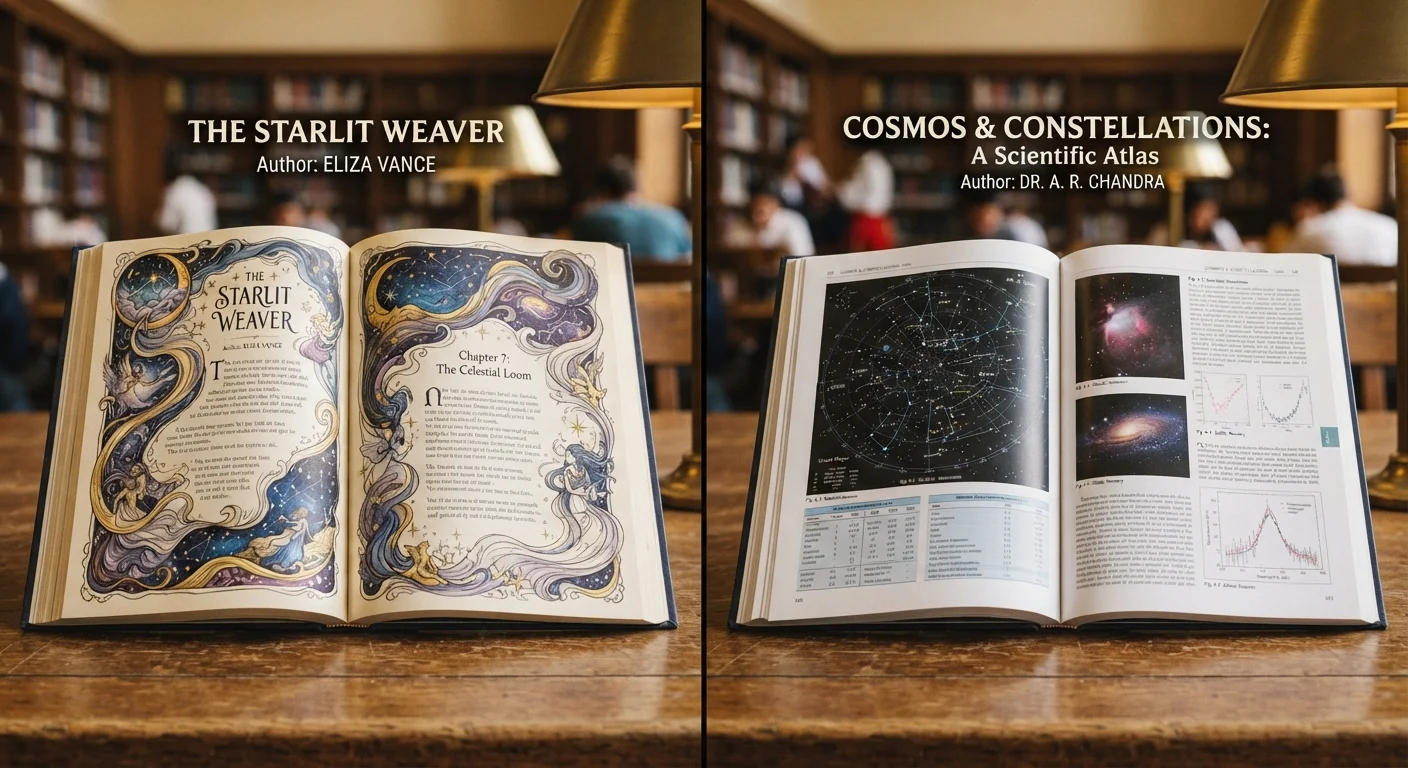
That said, not every category works the same way. Young Adult, for instance, is a category rather than a true genre - it spans mysteries, romances, and fantasy novels alike, unified by intended audience rather than story structure. Understanding that distinction is the first step toward using genre labels confidently.
What Genre Labels Actually Do
Genre labels serve at least four distinct audiences simultaneously, and each group relies on them in different ways.
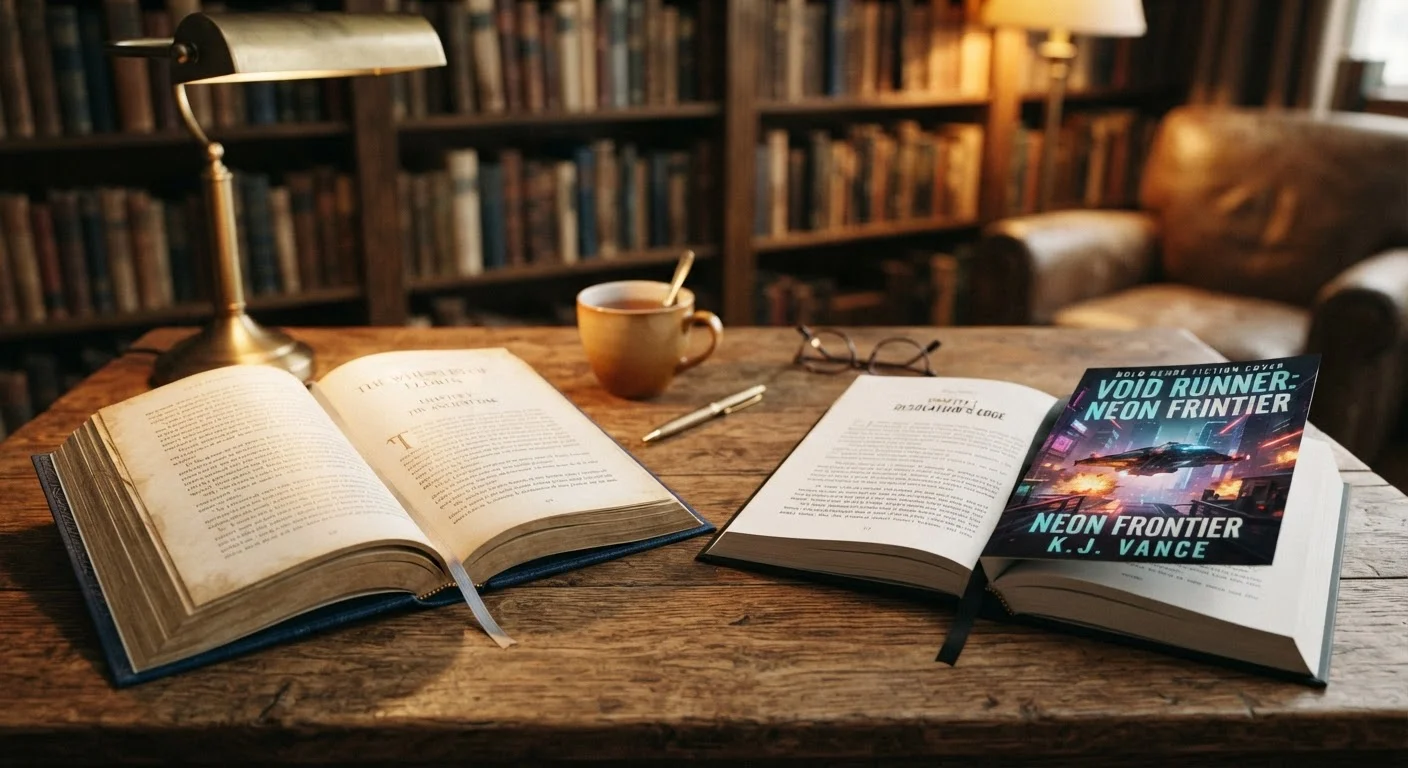
For readers, genre sets expectations. When you pick up a thriller, you expect rising tension, a ticking clock, and some form of resolution involving danger. When you pick up a romance, you expect a central love story with an emotionally satisfying ending. Those expectations aren't cage bars - they're a kind of promise. Readers who know what to expect from a genre can decide whether that promise appeals to them before they've read a single page. Cover design, back-cover copy, and chapter length all reinforce those genre signals in ways that experienced readers learn to read quickly.
For libraries and bookstores, genre is a spatial and logistical solution. A library holding hundreds of thousands of titles can't rely on readers browsing every shelf. Genre sections - often broken into sub-genres like cozy mysteries or hard science fiction - help patrons navigate directly to books that match their mood.
For publishers, genre informs marketing decisions, cover design, and where a book is pitched in a catalog. A publisher who knows a novel fits squarely in the psychological thriller space will design the cover, write the copy, and target the advertising accordingly. Genre isn't a creative straitjacket; it's market intelligence.
For authors, understanding genre conventions is actually liberating. Knowing what readers expect from a category gives a writer something to work with - to meet those expectations, subvert them deliberately, or blend them in fresh ways. Many celebrated books earn their reputation precisely by bending genre rules while still being recognizable within a tradition.
When Books Cross the Lines
One reason readers sometimes distrust genre labels is that great books rarely fit neatly into one box. A novel can be a historical mystery with romantic elements and literary prose ambitions all at once. When that happens, publishers and booksellers typically shelve by the dominant mode - the genre that describes the most prominent structural or emotional engine driving the story.
That shelving decision isn't a declaration that the other elements don't exist. It's a practical compromise. Readers who feel shortchanged by a single label can look for sub-genre descriptors or blended tags that signal hybridity. The growing use of terms like "romantic suspense," "literary thriller," or "climate fiction" reflects an industry adapting to books that genuinely resist single categories.
The divide between literary and genre fiction is especially overdrawn - many prize-winning novels are deeply rooted in genre conventions even when they're not shelved that way. And reading across genre lines is one of the most reliable ways to discover that a label you've avoided actually holds books you'd love.
Fiction and nonfiction themselves follow a similar logic - the boundary between the two is less absolute than it first appears, which is why narrative nonfiction and autofiction sit in an interesting middle space.
Using Genre as a Reader's Tool
The most practical shift a reader can make is to treat genre labels as starting points rather than final verdicts. Instead of asking "Is this book good enough to transcend its genre?" ask "Does this genre's conventions match what I want from reading right now?" That reframe puts the reader in charge.
A useful habit is to learn the core conventions of two or three genres you haven't explored, then sample one book that's considered a strong representative of each. You'll quickly discover whether the structural pleasures of that genre - the puzzle-solving of a mystery, the world-building of epic fantasy, the emotional arc of a romance - resonate with you. If they do, you've just expanded your reading map significantly.
For readers building a more intentional reading life, genre awareness pairs well with other habits. Practical strategies for building a rewarding reading life often begin with knowing what you're looking for - and genre fluency is a core part of that knowledge. Understanding which genres suit different moods, reading speeds, and emotional needs makes it far easier to pick up the right book at the right moment.