How Depreciation Works
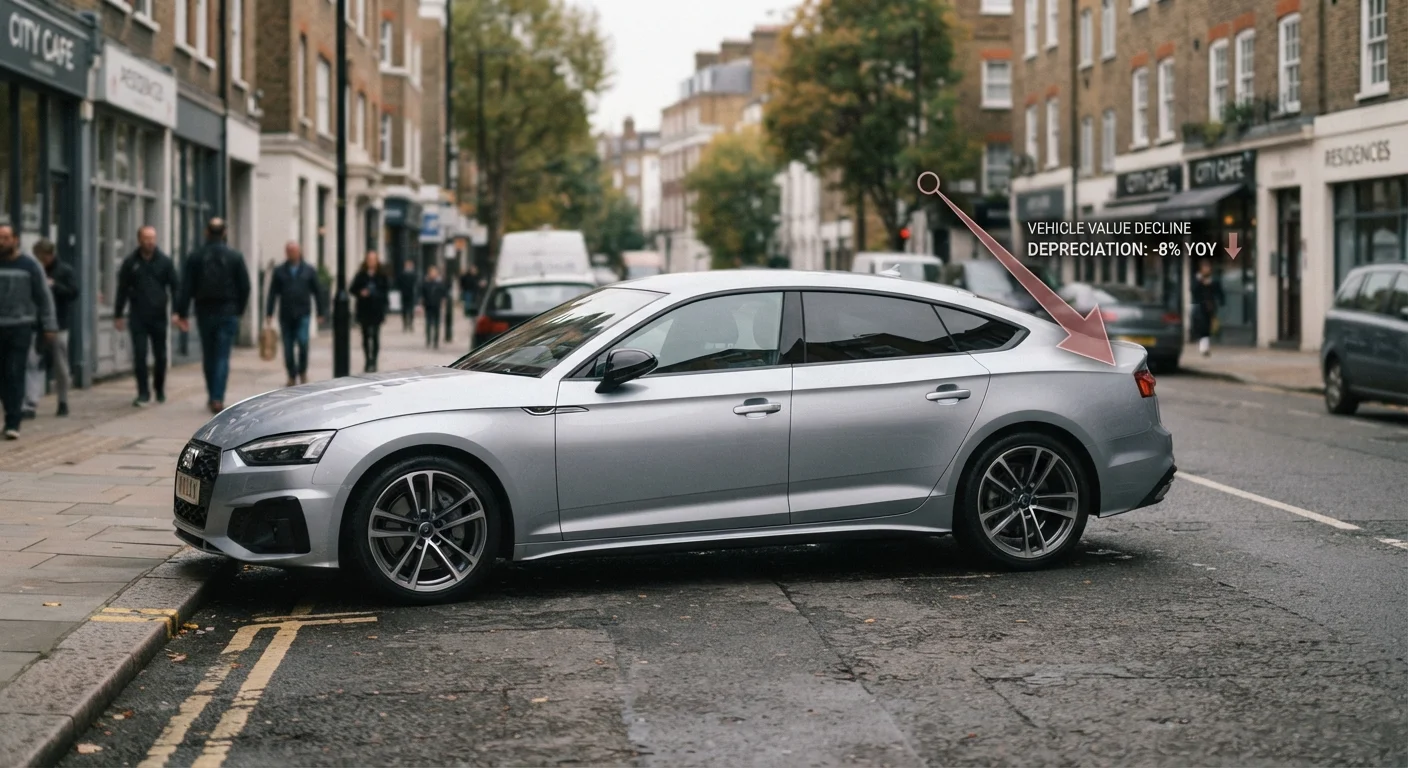
The moment a new car is driven off the dealership lot, it transitions from "new" to "used" in the eyes of the market. That shift alone triggers an immediate drop in value - often several thousand dollars before the first oil change. This isn't arbitrary: the resale market prices a used vehicle based on what a buyer is willing to pay today, not what the original owner paid yesterday.
Depreciation continues throughout a vehicle's life, but the rate is not constant. The steepest decline happens in years one through three, then slows considerably. A five-year-old car sitting at 40-60% of its original value typically loses value much more slowly going forward. This curve matters enormously if you're planning to sell or trade in - timing your exit can meaningfully affect how much money you recover.
For a broader look at how depreciation fits into what a vehicle truly costs to own, see the full cost of car ownership.
15-25%
Value lost in the first year
Industry data consistently shows new vehicles lose this share of their value within 12 months of purchase.
40-60%
Typical 5-year depreciation range
Most new passenger vehicles lose between 40% and 60% of their original value within five years, depending on make, model, and usage.
12,000-15,000
Average annual miles driven in the U.S.
The Federal Highway Administration reports this as the approximate average, often used as the baseline in vehicle valuation guides.
Factors That Affect How Fast a Car Loses Value
No two vehicles depreciate at exactly the same rate. Several variables interact to determine whether a car holds its value relatively well or sheds it quickly:
- Mileage: More miles typically mean more wear, which reduces what buyers will pay. Vehicles driven well above the U.S. average of 12,000-15,000 miles per year tend to depreciate faster.
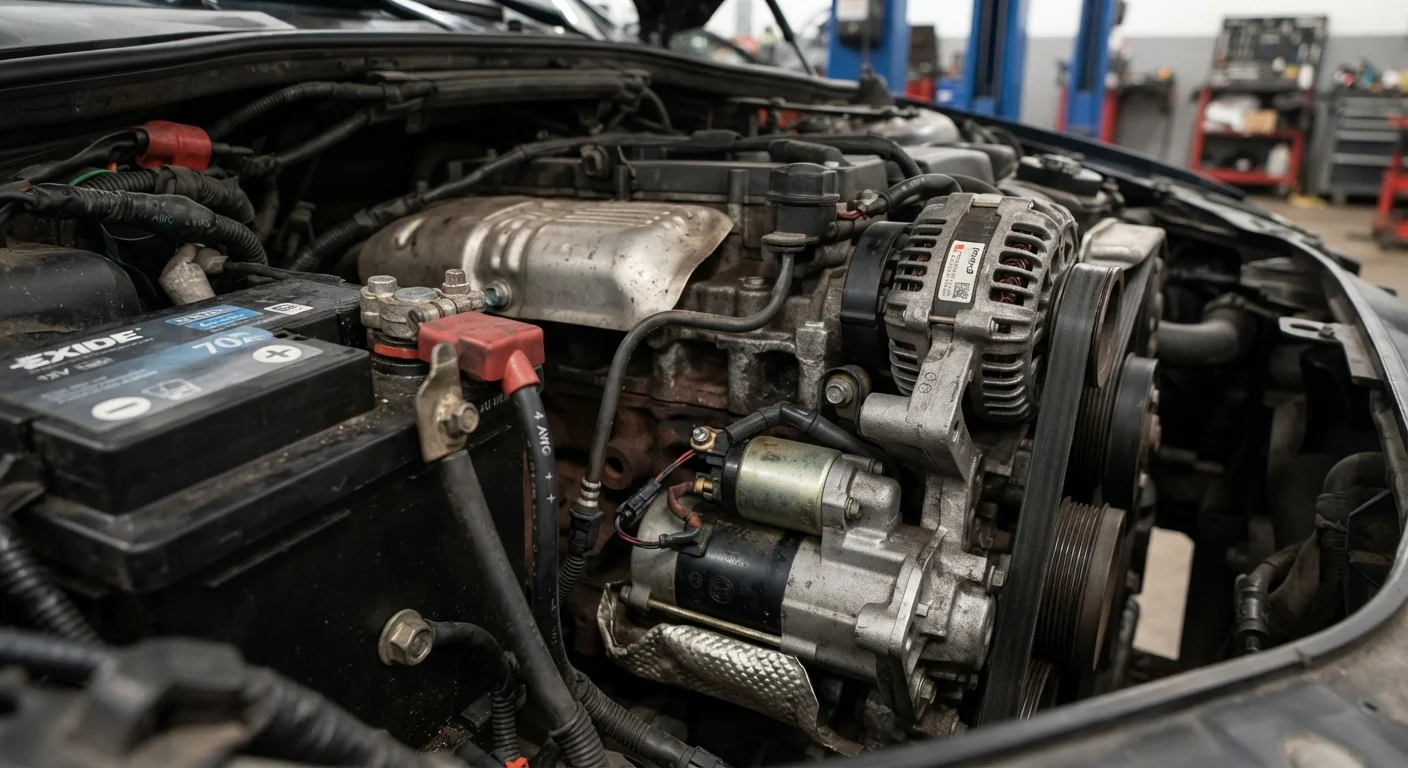
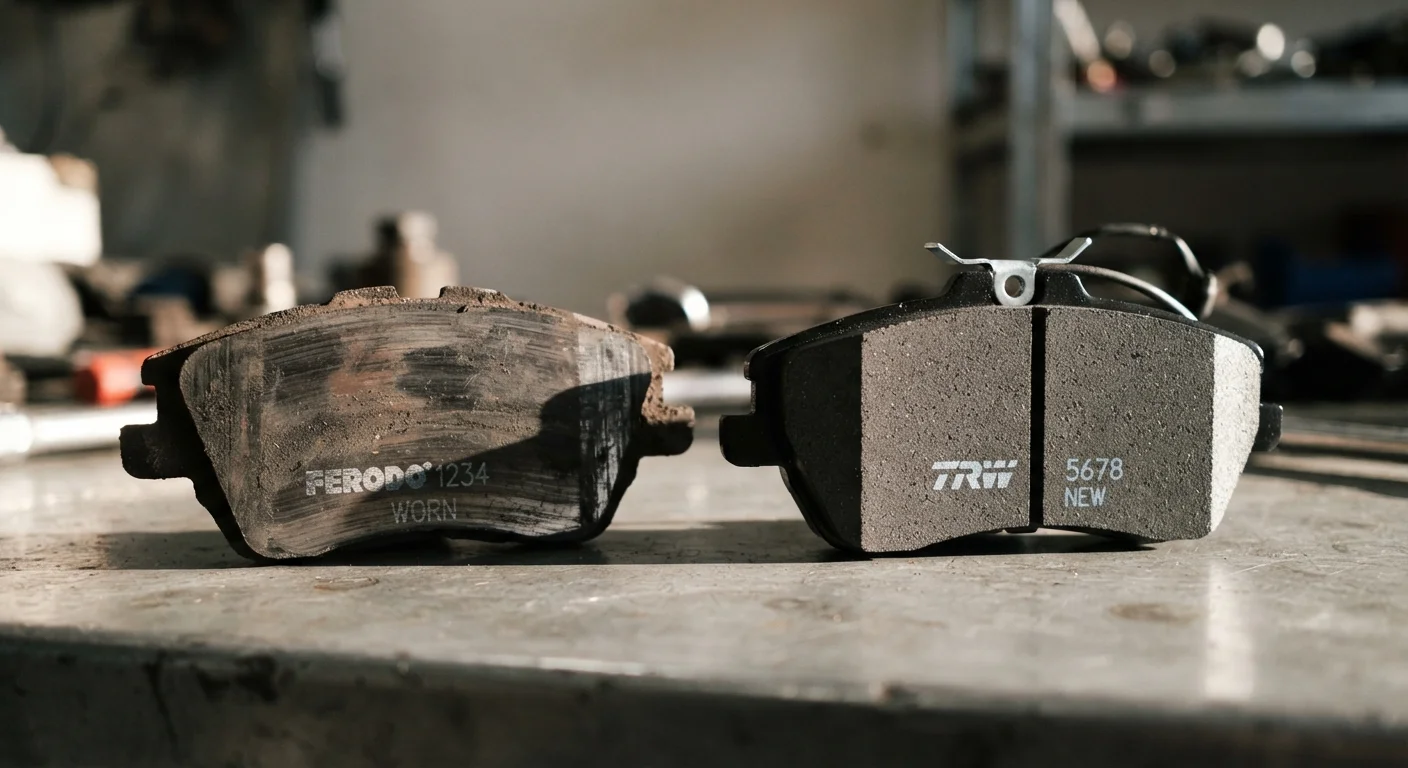
- Condition: Accident history, rust, worn interiors, and deferred maintenance all accelerate value loss. A clean vehicle history report and documented service records help preserve value.
- Brand and model reputation: Vehicles from manufacturers known for reliability and strong resale markets tend to hold value longer. Consumer demand is the ultimate driver - if buyers consistently want a particular model, its used-market value stays higher.
- Vehicle category: Pickup trucks and certain SUVs have historically held value better than sedans and sports cars. Market trends, fuel prices, and shifting consumer preferences all influence this.
- Technology obsolescence: As safety features, fuel efficiency standards, and in-vehicle technology advance, older models can seem dated more quickly - especially in fast-moving segments like electric vehicles.
- Color and trim: Neutral colors and popular trim levels attract more buyers, which supports resale prices.
Why It Matters for Your Ownership Strategy
Depreciation is often called the single largest cost of vehicle ownership - larger than fuel or insurance for many drivers over the first few years. How much it affects you depends on what you plan to do with the vehicle.
If you plan to sell or trade in within a few years, depreciation hits hardest. You'll absorb the steepest part of the value decline while the vehicle is newest and your loan balance may still be high. This can create negative equity - owing more on the loan than the car is worth - particularly with low down payments or long loan terms.
If you hold the vehicle for a decade or more, depreciation becomes less financially painful per year, and the total cost of ownership often improves significantly. Managing a car well past the loan payoff is a strategy that minimizes the depreciation hit over time.
For buyers weighing whether to purchase new or used, depreciation is a central consideration. A used vehicle that already absorbed its steepest decline can represent substantially better value - a trade-off explored in depth in new car vs. used car numbers. Leasing, which structures payments around predicted depreciation, is another path worth understanding - see how leasing works and who it suits.
A driver purchases a new midsize sedan for $32,000. Two years later, they check its trade-in value and find it has dropped to around $22,000.
A buyer chooses a three-year-old truck with 30,000 miles over an equivalent new model, paying roughly $9,000 less for similar features.
A driver keeps a compact car for 12 years, putting 140,000 miles on it with consistent maintenance.