Getting Your Documents in Order
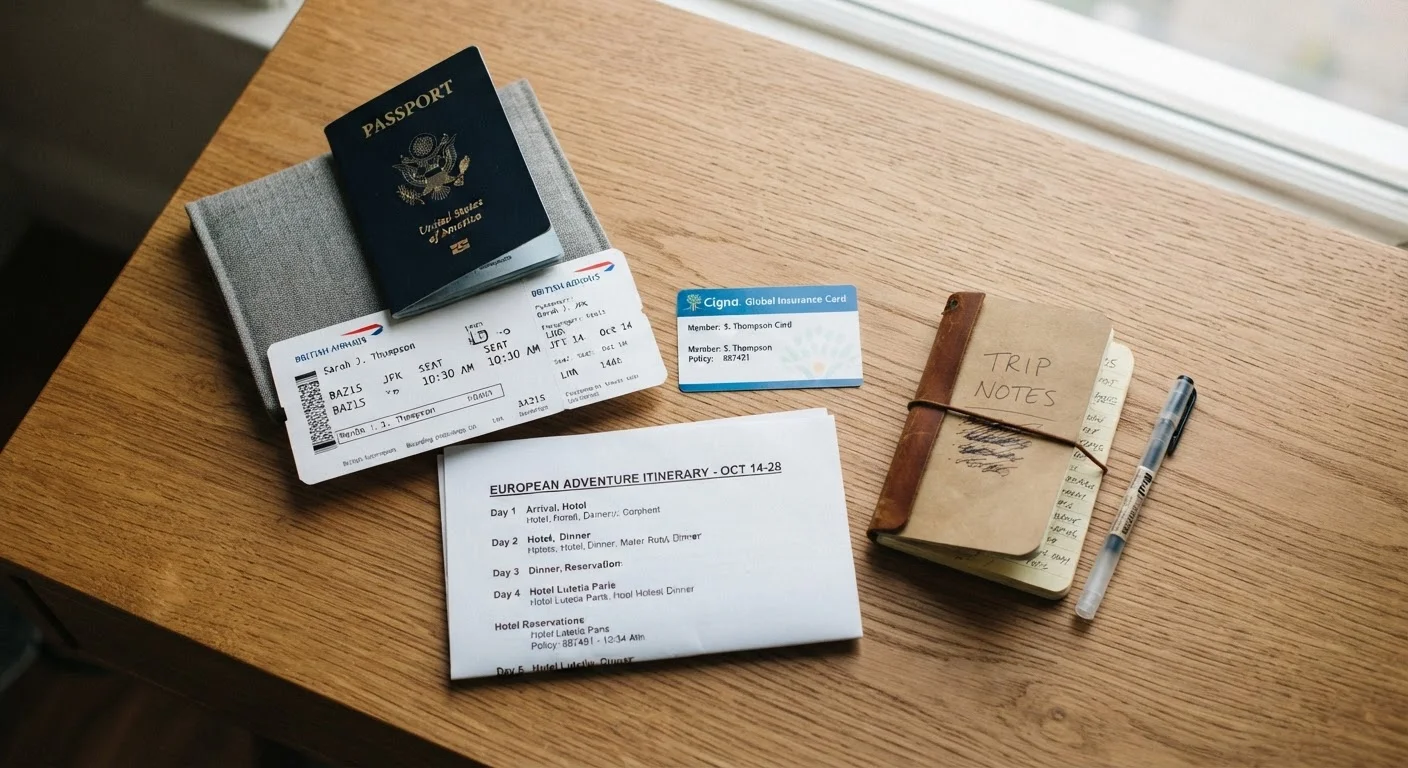
Before you book a single flight, your passport is the one non-negotiable. If you don't have one yet, apply as early as possible - the U.S. State Department typically advises at least six months ahead of travel, since processing windows can stretch during busy seasons. Routine processing often takes several weeks; expedited services cost more but move faster when you're in a time crunch.
Once your passport is in hand, make two photocopies of the data page. Leave one with a trusted contact at home and keep a separate copy in your luggage - not your carry-on. Also store a digital photo of the page in secure cloud storage or email it to yourself. Losing a passport abroad is stressful; having documentation makes the recovery process at a U.S. embassy far more manageable.
For a broader checklist covering documents, health prep, and home security arrangements before departure, see our pre-trip checklist.
Passport validity
Most countries require your passport to remain valid for at least six months beyond your planned travel dates - not just through your departure date.
Visa on arrival
A travel authorization you receive when you land at your destination airport, rather than applying in advance. Availability depends on your passport and the specific country.
Travel insurance
A policy that can reimburse costs from trip cancellations, medical emergencies abroad, lost baggage, and other unexpected travel disruptions.
Exchange rate
The rate at which one currency converts to another. It fluctuates daily and affects how much purchasing power you have when spending abroad.
Travel advisory
An official government assessment of the safety conditions in a foreign country, issued to help travelers make informed decisions about where to go.
Travel medicine consultation
A visit with a healthcare provider specializing in travel health, who evaluates vaccination needs and destination-specific health risks before your trip.
Choosing a Destination and Setting a Budget
First-time international travelers often do best picking a destination with a manageable learning curve - reliable infrastructure, accessible English signage, and well-documented entry requirements. That said, the right destination is deeply personal. What matters is that you research it thoroughly before committing.
When budgeting, look up realistic daily costs for your destination: accommodation tiers, average meal prices, local transit fares, and the activities you actually plan to do. Build in at least 15-20% above your estimate for unexpected expenses - a missed connection, a minor medical need, or simply a meal at a spot too good to pass up. Don't forget pre-trip costs: passport fees, travel insurance, airport transport, and any gear or clothing you'll need to buy.
For a destination-specific example, our Southeast Asia first-timer's overview shows how these planning layers apply in practice.
Navigating Visas, Health Prep, and Entry Rules
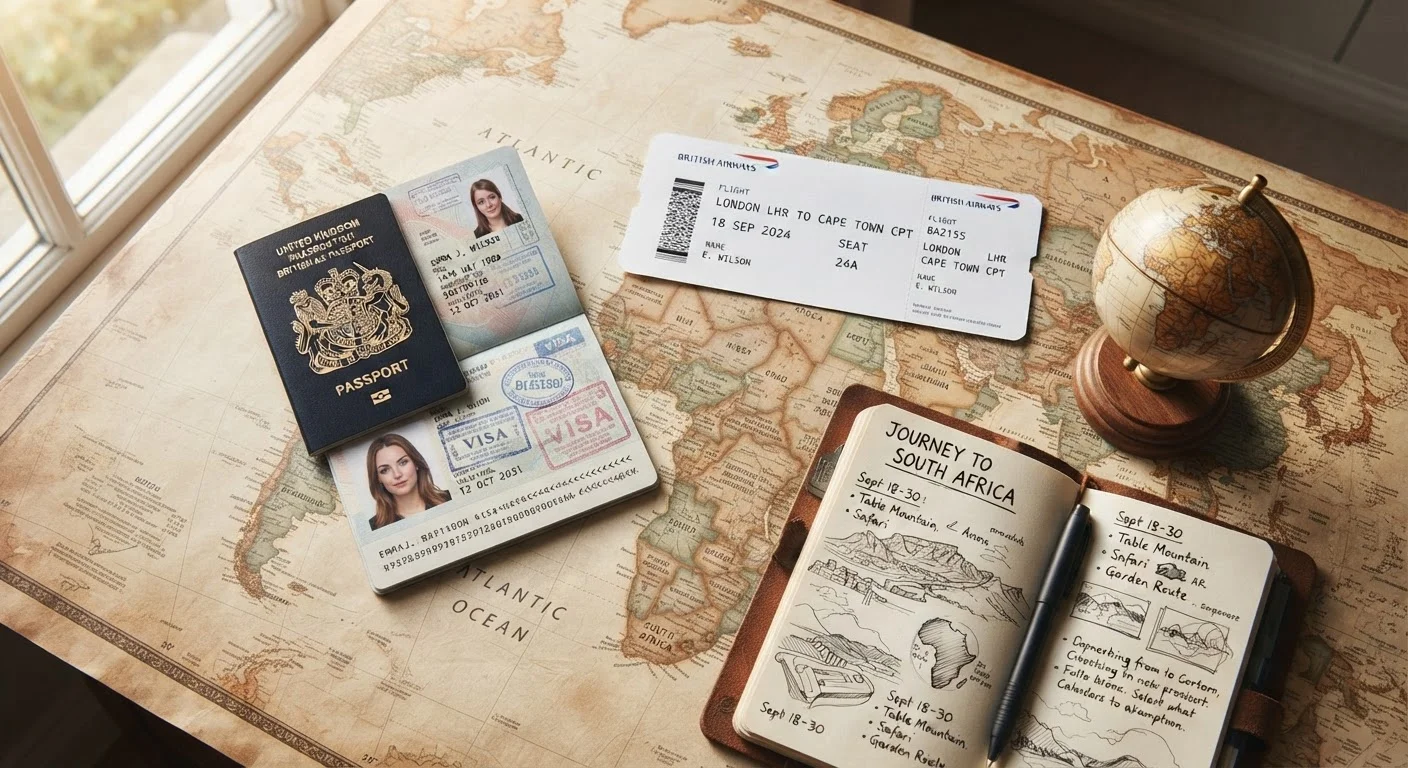
Visa requirements depend entirely on your destination and the length of your stay. Many countries permit U.S. citizens to enter visa-free for short tourism visits, while others require you to apply weeks or months in advance. Always verify current requirements directly through the destination country's official embassy website or the U.S. State Department's travel portal - rules can and do change.
Health preparation is equally important. Some destinations recommend or require specific vaccinations, and certain regions carry disease risks that your travel medicine provider can advise on. Schedule a travel health consultation with a healthcare professional at least four to six weeks before departure. This is general guidance - your doctor or a certified travel medicine clinic will assess your specific health needs.
Register with the U.S. Embassy Before You Go
The U.S. State Department's Smart Traveler Enrollment Program (STEP) is a free service that lets you register your trip with the nearest U.S. embassy or consulate. In the event of a natural disaster, civil unrest, or family emergency, it helps the embassy locate and assist you. It takes only a few minutes to set up at travel.state.gov.
Entry rules extend beyond visas: some countries require proof of onward travel, minimum passport validity beyond your stay, or health documentation. For a structured approach to researching all of this in advance, our destination research guide walks you through reliable sources step by step.
Packing Smart and Traveling Confidently
Overpacking is the hallmark of a first international trip - and almost everyone does it once. A useful starting point: lay out everything you think you need, then remove roughly a third of it. Versatile clothing layers and destination-appropriate shoes carry you further than a packed-to-the-limit suitcase.
Beyond clothing, a few practical essentials deserve priority. Carry your medications in original, labeled containers in your carry-on. Bring a universal power adapter suited to your destination's outlets. Have your bank notified before you leave so your cards aren't flagged as suspicious activity abroad. And download offline maps of your destination - connectivity is not always guaranteed.
Airport navigation and customs procedures can feel intimidating the first time. Our first-time international traveler's orientation covers exactly how airports, customs, and border crossings actually work in plain terms. If your trip involves a long-haul flight, our long-haul trip planning guide addresses layover logistics, jet lag, and what to expect at connecting airports. The more you know before you go, the more bandwidth you'll have to simply enjoy being somewhere new.