Start With Safety: Official Advisories and Entry Requirements
Before you dive into restaurant recommendations or day-trip ideas, spend time on the basics that actually determine whether your trip goes smoothly - or doesn't. The U.S. Department of State's travel advisory system rates destinations on a four-level scale from normal precautions to "Do Not Travel," and it's updated regularly based on real conditions, not headlines. Make it your first stop, not an afterthought.
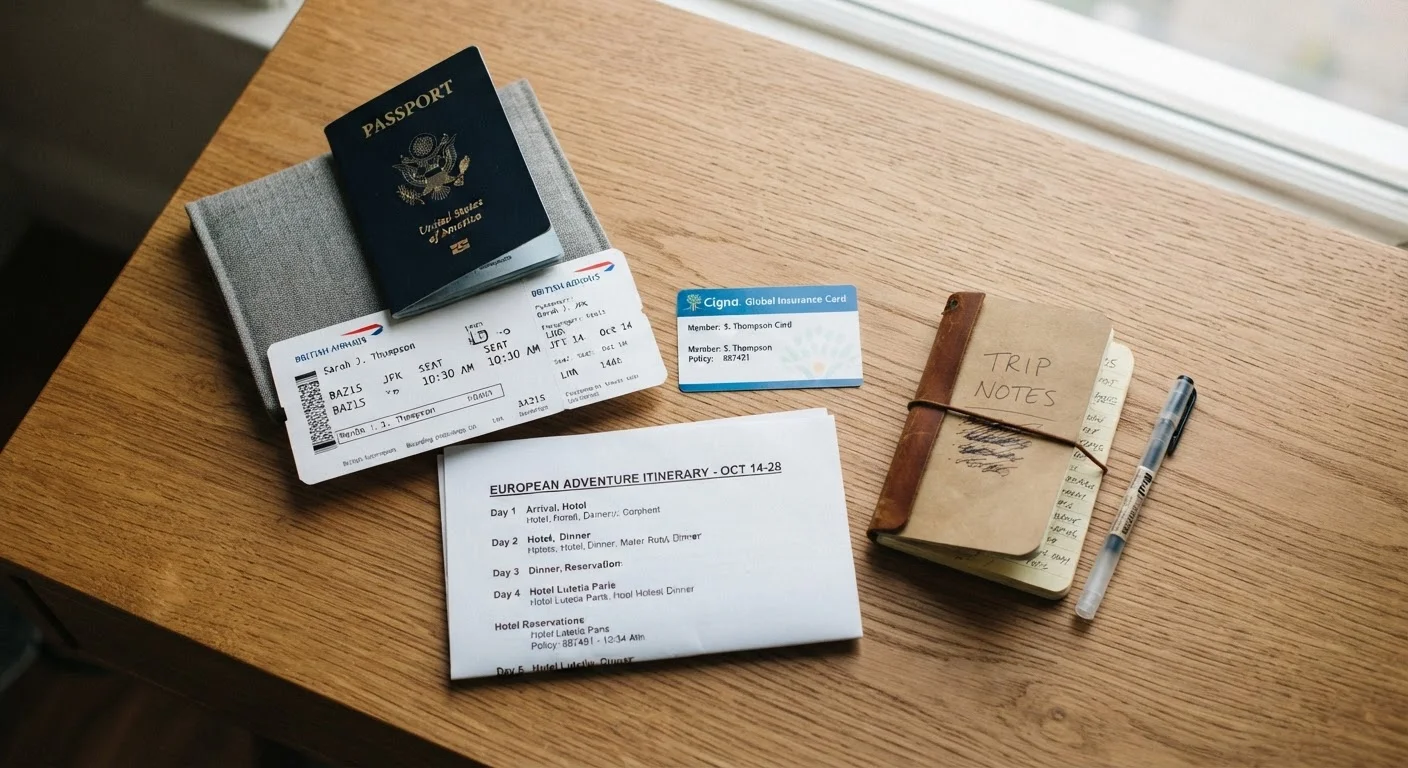
Entry requirements deserve equally serious attention. Visa rules, passport validity minimums (many countries require six months of validity beyond your arrival date), and vaccination requirements vary widely and can change with little notice. For international trips, check the official embassy or consulate website of your destination country, and cross-reference with the State Department's country information pages. If you're newer to international planning, the first international trip planning guide covers these fundamentals in structured detail.
Always verify entry and health requirements with official government and provider sources before you travel - details are subject to change.
Map the Practical Realities: Transit, Currency, and Connectivity
Knowing how a city actually moves - its metro lines, bus networks, ride-hailing availability, or taxi norms - saves you real time and money on arrival. Look for the local transit authority's official website or app; many cities offer day or week passes that are dramatically more economical than per-ride fares. Download offline maps (apps like Maps.me or Google Maps offline areas work well) and save your accommodation address in your phone before you land.
Currency logistics matter more than many travelers expect. Research whether ATMs are widely available, whether credit cards are accepted at local markets and smaller restaurants, and what the typical exchange rate looks like. Some destinations are predominantly cash economies; others are nearly cashless. Knowing in advance prevents scrambles at the airport or awkward moments at a restaurant.
Check connectivity realities too. Some regions have excellent mobile data coverage through local SIM cards; others have spotty infrastructure. Identifying this ahead of time lets you plan whether to buy a local SIM, use an eSIM provider, or rely on your carrier's international plan. For region-specific logistics, the Southeast Asia ground-level overview is a useful model for how deep this research can go.
Understand the Culture Before You Land
Cultural awareness isn't about memorizing a list of rules - it's about showing up as a respectful guest. Spend a little time researching tipping customs (tipping is seen as insulting in Japan, expected in the U.S., and variable across Europe), dress codes for religious sites, greeting etiquette, and any behaviors that are legal at home but restricted or taboo locally. Some countries prohibit photography of government buildings, military installations, or certain religious sites - a detail worth knowing before you raise your camera.
Look into local laws around common traveler habits: alcohol consumption rules, drug policies, and even chewing gum bans (Singapore famously restricts its sale). What feels like a minor oversight at home can carry real consequences abroad. The common travel myths article addresses how easily travelers underestimate advisory and regulatory nuance.
Build a Research Routine That Travels With You
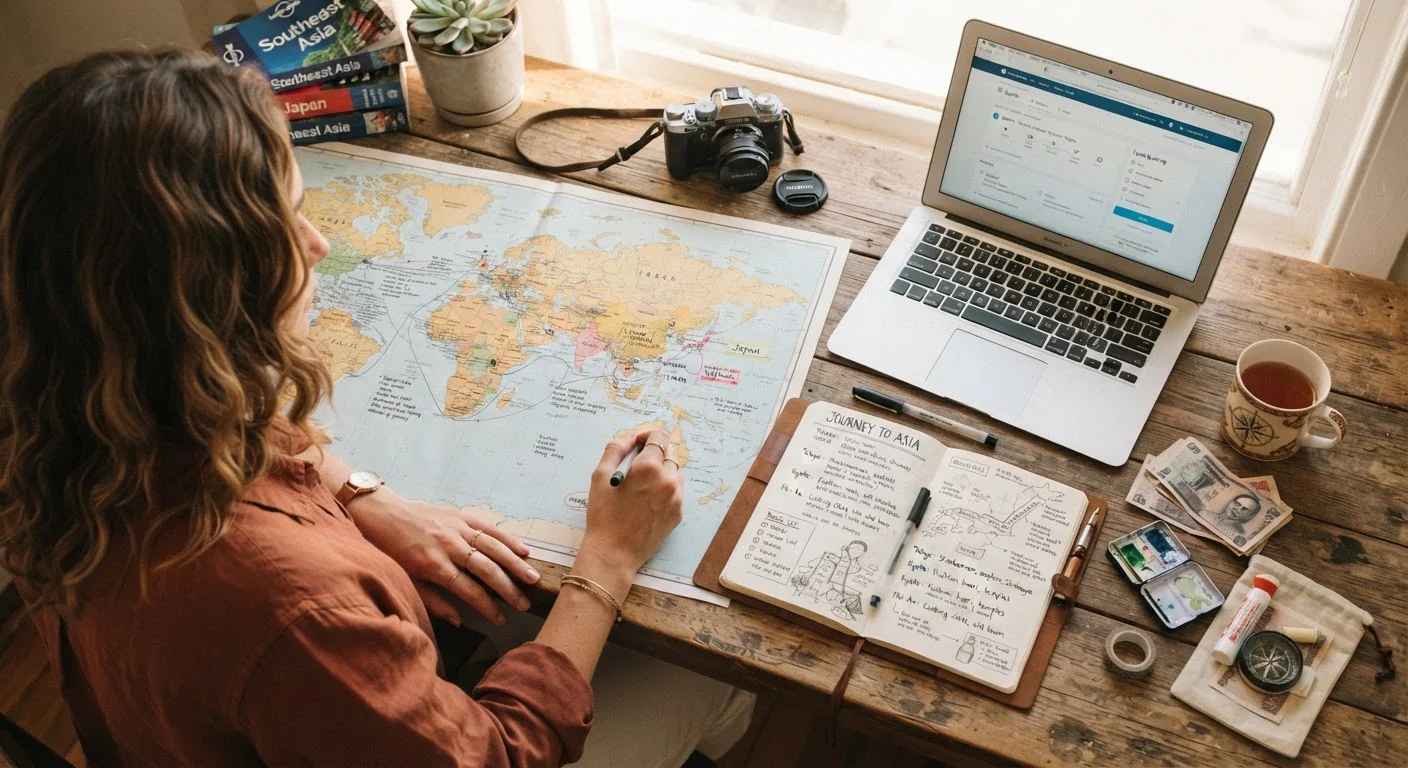
The most effective pre-trip research isn't a single late-night Google session - it's a layered process spread across your planning window. Start broad (safety and entry), go mid-level (transit and logistics), and finish with cultural and neighborhood-level detail. Save key resources - embassy contacts, local emergency numbers, transit app links - somewhere accessible offline.
Use the pre-trip checklist to make sure nothing slips through the cracks in the final days before departure. And if your trip involves long-haul routing, the long-haul trip planning guide covers the full scope of what that kind of preparation actually requires. More travel tips are always available for specific situations and destination types.