What August Actually Looks Like in Europe's Major Cities
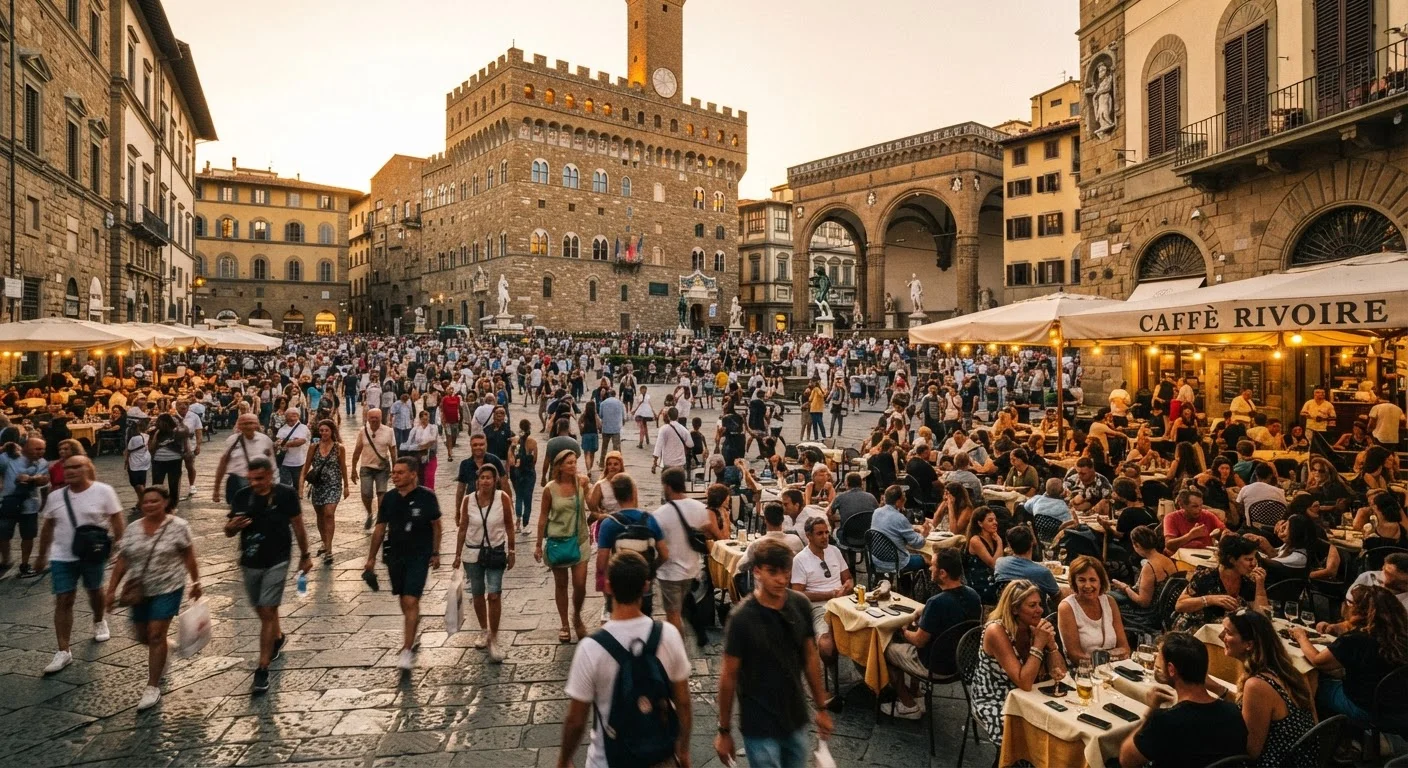
Step off the plane in Paris, Rome, Barcelona, or Amsterdam in August and one thing hits you immediately: you are absolutely not alone. These cities host some of the highest tourist volumes of the entire year during peak summer, and the streets, museums, and metro systems reflect that reality. Queues at major attractions routinely stretch beyond an hour, popular neighborhoods pulse with noise well into the evening, and accommodation prices spike significantly compared to spring or fall.
At the same time, the cities are undeniably alive. Street performers fill public squares, rooftop bars stay open late, and the long days - often 15 or more hours of daylight in northern Europe - give you an almost unfair amount of sightseeing time. Understanding both sides of this trade-off is key before you commit to an August itinerary. For a deeper look at how to avoid one of August travel's biggest pitfalls, see why overpacking your itinerary ruins trips.
The Real Advantages of Going in August
Despite its reputation for crowds, August has genuine appeal that keeps millions of American travelers booking European city trips every summer.
Long daylight hours maximize sightseeing time
In cities like London or Amsterdam, sunset can fall as late as 9:30 p.m. in August, giving travelers significantly more usable hours per day than in winter or even spring.
Warm, reliable weather suits outdoor exploration
August brings consistent sunshine to most of Europe, making al fresco dining, walking tours, and outdoor attractions far more enjoyable and predictable.
Summer festivals and events add cultural depth
Many European cities host major cultural events in August - from Edinburgh's renowned arts festival to open-air opera in Verona - that simply don't exist at other times of year.
Aligns with American school and work calendars
For families and many working adults, August is the most realistic vacation window, making the trade-offs of peak season a necessary and worthwhile compromise.
Vibrant street life and a festive city atmosphere
The sheer energy of a major European city in summer - bustling squares, outdoor markets, late-night terraces - creates a lively, memorable travel backdrop.
~15 hrs
Daily daylight in northern Europe in August
Cities like Amsterdam and Copenhagen receive approximately 15 hours of daylight at peak summer, giving travelers far more outdoor time than in any other season.
2-3×
Hotel price premium in peak August season
Travel industry data consistently shows that accommodation costs in major European cities in August can be two to three times higher than comparable shoulder-season rates.
For families, August aligns perfectly with school calendars, making it often the only viable window for an international trip. The cultural calendar is also surprisingly robust - many cities host outdoor concerts, film screenings, and festivals specifically designed for the summer influx. And while the heat in southern cities like Madrid or Athens can be intense, northern capitals like Copenhagen, Edinburgh, and Amsterdam stay comfortably temperate, rarely exceeding the mid-70s Fahrenheit.
The Disadvantages You Should Know Before You Go
August travel is not without its headaches, and some of them are significant enough to change a trip's character entirely.
Prices for flights and hotels surge significantly
August is one of the most expensive times to visit European capitals; accommodation rates in cities like Paris or Barcelona can be double or more compared to October.
Crowds at major attractions are at their peak
Popular sites such as the Vatican Museums, the Eiffel Tower, and Amsterdam's Rijksmuseum see their highest visitor volumes in summer, meaning long waits even with pre-booked tickets.
Local businesses close as residents vacation
In many southern European cities, neighborhood restaurants, shops, and services shut down for much of August as locals take their own holidays, leaving tourist-oriented businesses to fill the gap.
Heat in southern cities can be genuinely oppressive
Cities like Rome, Athens, and Seville regularly see temperatures above 90°F in August, which can make midday sightseeing uncomfortable and even risky for vulnerable travelers.
Transportation networks become strained and crowded
Metro systems, trains, and airports across Europe are at capacity in August, leading to delays, overcrowded platforms, and a more stressful transit experience overall.
One particularly surprising frustration for first-time August visitors: the locals leave. In cities like Paris and Rome, August is when residents take their own vacations, meaning neighborhood restaurants, small bakeries, boutique shops, and off-the-beaten-path bars often close for two to four weeks. What's left can feel like a city operating at half-capacity for its actual inhabitants. If experiencing authentic local life is a priority, shoulder season travel might be worth serious consideration.
Verify Entry and Health Requirements Before You Travel
Entry requirements, visa rules, and any health-related travel advisories can change. Before booking or departing, always check the U.S. Department of State's travel advisories and the official government websites of your destination country for the most current requirements. Do not rely solely on third-party travel sites for this information.
How to Make August Work in Your Favor
If August is the window you have, there are real strategies that improve the experience dramatically. Book accommodation at least three to four months out - in popular cities, quality mid-range hotels sell out fast. Pre-purchase tickets to major museums and landmarks the moment they become available; many now offer timed-entry slots that make the difference between a 10-minute wait and a 90-minute one.
Lean into early mornings. Iconic sites like the Colosseum, the Louvre's exterior, or Prague's Charles Bridge are genuinely quieter before 8 a.m. and the soft morning light makes for far better photos. Consider anchoring your trip in a larger city but planning a day or two in a smaller nearby town - the contrast in crowd levels can be striking and refreshing. If you're weighing alternatives entirely, Portugal's smaller cities offer a compelling European summer experience at a different pace and price point.