The Real Cost of Doing Too Much
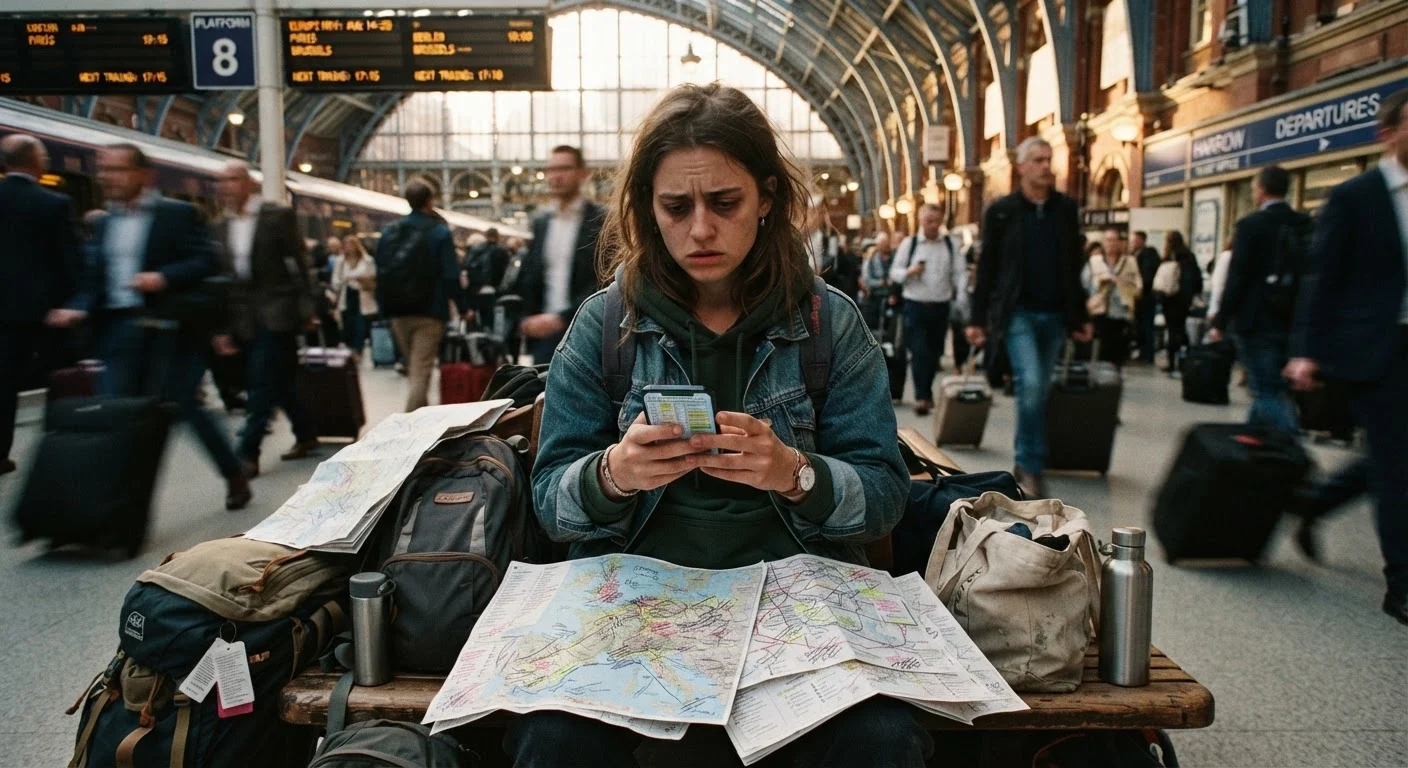
There's a particular kind of travel exhaustion that has nothing to do with long flights or jet lag. It's the bone-tired feeling that sets in by day three of a trip where every hour is accounted for - museums at nine, walking tour at eleven, lunch reservation at one, boat cruise at three. You're technically seeing everything on your list, but you're not really experiencing any of it.
Overpacked itineraries don't just make trips tiring. They quietly steal the moments that make travel meaningful: the unexpected conversation with a local, the side street stumbled upon between two attractions, the afternoon spent lingering over coffee simply because the light was perfect. Understanding why over-scheduling happens - and how to catch yourself before it does - is one of the most valuable planning skills a traveler can develop. For a solid foundation, learn what a travel itinerary actually is and what it should realistically contain.
Common Mistakes That Lead to Itinerary Overload
These errors show up repeatedly across all types of travelers - first-timers and seasoned road warriors alike. Recognizing them before you finalize your schedule is the first step toward planning a trip you'll genuinely love.
Treating online attraction lists as a personal checklist rather than a starting point.
Why it happens: Travel blogs and destination guides often present exhaustive "must-see" lists, and the fear of missing out turns those suggestions into obligations.
Ignoring transit time between attractions, including waits, transfers, and getting oriented.
Why it happens: Map apps show point-to-point travel times, but travelers forget to add time to exit a venue, find the next stop, navigate unfamiliar transit, and arrive ready to engage.
Scheduling high-demand attractions without accounting for queues or timed-entry requirements.
Why it happens: Many travelers discover timed-entry or long wait times only after arriving, which throws off the entire day's sequence.
Failing to account for personal energy patterns across multiple travel days.
Why it happens: Day-one enthusiasm leads to optimistic planning, but energy naturally dips mid-trip - especially after travel days, early flights, or physically demanding excursions.
Packing every evening with restaurants, shows, or nightlife on top of full days.
Why it happens: Evenings feel like "free" time, so travelers add activities without realizing they've effectively built a double-shift into each day.
Over-scheduling is also closely tied to broader planning traps that derail even well-intentioned trips, from misreading transit times to ignoring how much energy changes across time zones.
How to Build a Schedule You'll Actually Enjoy
The antidote to itinerary overload isn't doing less - it's planning more honestly. Start by identifying two or three anchor experiences per day: the things you'd genuinely regret missing. Everything else goes on a flexible "nice-to-have" list you can dip into if time and energy allow.
Next, build in what planners call buffer time - unscheduled slots of 60 to 90 minutes between activities. These absorb the inevitable delays (queues, slow service, getting turned around) and also create space for discovery. Some of the best travel memories come from moments that were never on any itinerary.
It also helps to be honest about your personal travel pace. If you're someone who likes to linger at a single museum exhibit for twenty minutes, don't plan three museums in one day. Choosing between a flexible and fixed itinerary structure depends heavily on this kind of self-knowledge. And if you're road-tripping, be especially careful about geographic logic - doubling back wastes hours, as anyone planning a Southwest national parks road trip quickly discovers.
Don't Let Trip Cost Pressure Drive Over-Scheduling
When a trip is expensive, it's tempting to squeeze in as much as possible to "get your money's worth." But this mindset often produces the least satisfying travel experiences. A well-paced trip where you're genuinely present tends to feel far more valuable than a packed one you barely remember. If budget anxiety is driving your planning, it's worth reviewing how to build a travel budget that holds up on the road before finalizing your schedule.
Finally, treat at least one day (or one afternoon on shorter trips) as genuinely unscheduled. Resist the urge to fill it in as the trip approaches. That open space is not wasted time - it's where the trip breathes.