A Country That Keeps Revealing Itself
Ask anyone who has visited Portugal more than once why they went back, and you'll get the same puzzled pause - as if the question answers itself. The honest explanation is geography dressed up as personality: Portugal packs an extraordinary range of experiences into roughly the size of Indiana. Cobblestoned Lisbon and industrial-cool Porto get most of the attention, but the country quietly holds back its best cards for those who push further.
The sun-baked Alentejo region, for instance, feels like an entirely different country - vast cork oak plains, whitewashed hilltop villages, and some of the most respected wine production in Europe. The Algarve's dramatic limestone sea stacks and hidden coves bear little resemblance to the rolling green wine valleys of the Douro River. The Azores, Portugal's mid-Atlantic archipelago, might as well be a destination unto themselves, with volcanic calderas and whale-watching that rivals anywhere on earth. That range is what keeps experienced travelers booking return flights.
What the Big Cities Actually Deliver
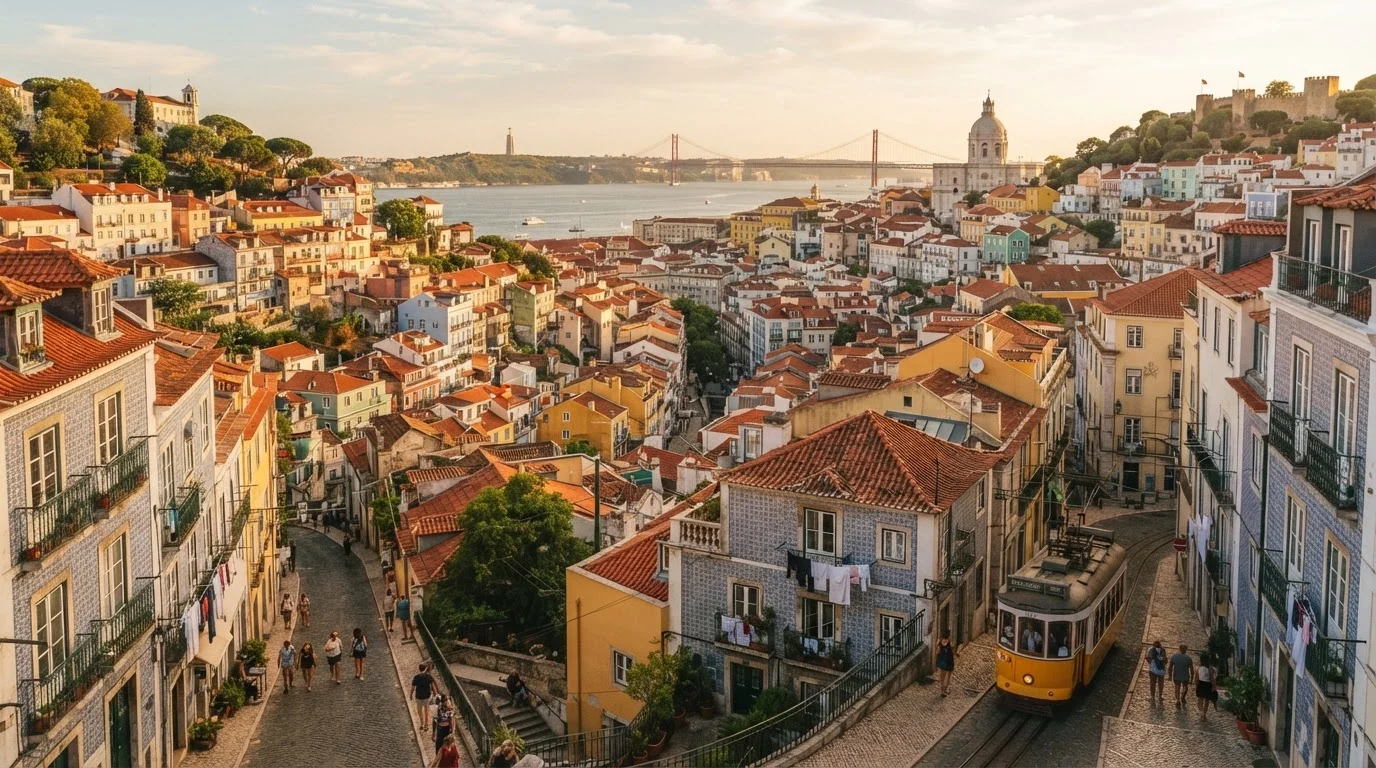
Lisbon remains one of Europe's most atmospheric capital cities - not because of blockbuster museums, but because of how it feels to move through it. Steep hillside neighborhoods (called bairros) like Alfama and Mouraria are genuinely residential, still layered with fado music drifting from small venues, elderly residents on doorsteps, and tiled facades that look impossible to maintain yet somehow endure. The city's café culture and food scene have expanded dramatically, but the underlying character hasn't been entirely bulldozed by tourism - though prices in the most visible neighborhoods have climbed.
Porto, two hours north by train, operates on a more human scale and a noticeably different emotional register. It's grittier, prouder, and arguably more authentic in day-to-day texture. The historic Ribeira waterfront is a UNESCO World Heritage Site for good reason, and the port wine cellars across the river in Vila Nova de Gaia remain genuinely educational - not just touristy. Both cities reward walking far more than any app-guided tour.
Top 10
Global Peace Index ranking for Portugal
Portugal has consistently appeared in the top tier of the Global Peace Index, produced annually by the Institute for Economics and Peace.
9
UNESCO World Heritage Sites in Portugal
Portugal holds multiple UNESCO designations spanning historic city centers, cultural landscapes, and prehistoric rock art sites.
~2 hrs
Train travel time between Lisbon and Porto
High-speed Alfa Pendular trains connect Portugal's two main cities in approximately two hours, making a dual-city itinerary straightforward.
If you want a frank look at the trade-offs of visiting big European cities in their peak months, our breakdown of August travel covers the real picture - crowds, closures, and heat included.
The Slow-Travel Argument for Portugal
One of the most compelling cases for Portugal is what happens when travelers slow down. Medieval walled towns like Óbidos can be done as a rushed day trip from Lisbon - or they can be savored over a quiet evening when the tour buses have left and the town returns to itself. The same is true of Évora in the Alentejo, with its Roman temple and deeply local café scene, and Tavira in the eastern Algarve, a town of tile-roofed churches and a calm river that most visitors skip in favor of busier beach resorts.
This kind of travel is also where Portugal's relatively modest costs become most apparent. Lunch menus (menus do dia) at local restaurants - a soup, main course, and drink - remain a genuine bargain in smaller towns. Accommodation in non-resort areas is frequently more interesting and less expensive than comparable European alternatives. For travelers thinking carefully about where their money goes, understanding the spending habits that drain travel budgets can make the difference between an expensive trip and a smart one.
Embrace the Off-Season in Smaller Towns
Many of Portugal's most rewarding villages and towns feel entirely different outside of summer - quieter, more local, and often meaningfully less expensive. If your schedule allows flexibility, consider visiting the Alentejo or the Douro Valley in spring or autumn for a more immersive experience than peak-season crowds allow.
The Atlantic Identity That Sets Portugal Apart
Portugal faces the Atlantic, not the Mediterranean, and that distinction shapes everything from the food to the weather to the national temperament. The seafood culture here - salt cod (bacalhau), grilled sardines, percebes (barnacles), and fresh fish markets in nearly every town - reflects centuries of maritime tradition rather than tourist menu curation. The ocean-facing coastline runs from wild, surf-battered beaches north of Lisbon all the way to the sheltered coves of the Algarve, offering something for every type of beach traveler.
That Atlantic exposure also means Portugal's climate is more varied than many visitors expect. The north can be genuinely rainy in winter. The Algarve is reliably sunny even in February. Lisbon sits somewhere in between - warm enough most of the year to eat outside, cool enough in January to warrant a jacket. Understanding these regional differences before arrival makes for a dramatically better trip regardless of when you go.
Travel conditions, entry requirements, and visa rules can change - always verify current information with official government sources and your airline or accommodation providers before traveling.