What Minimalist Home Organization Actually Means
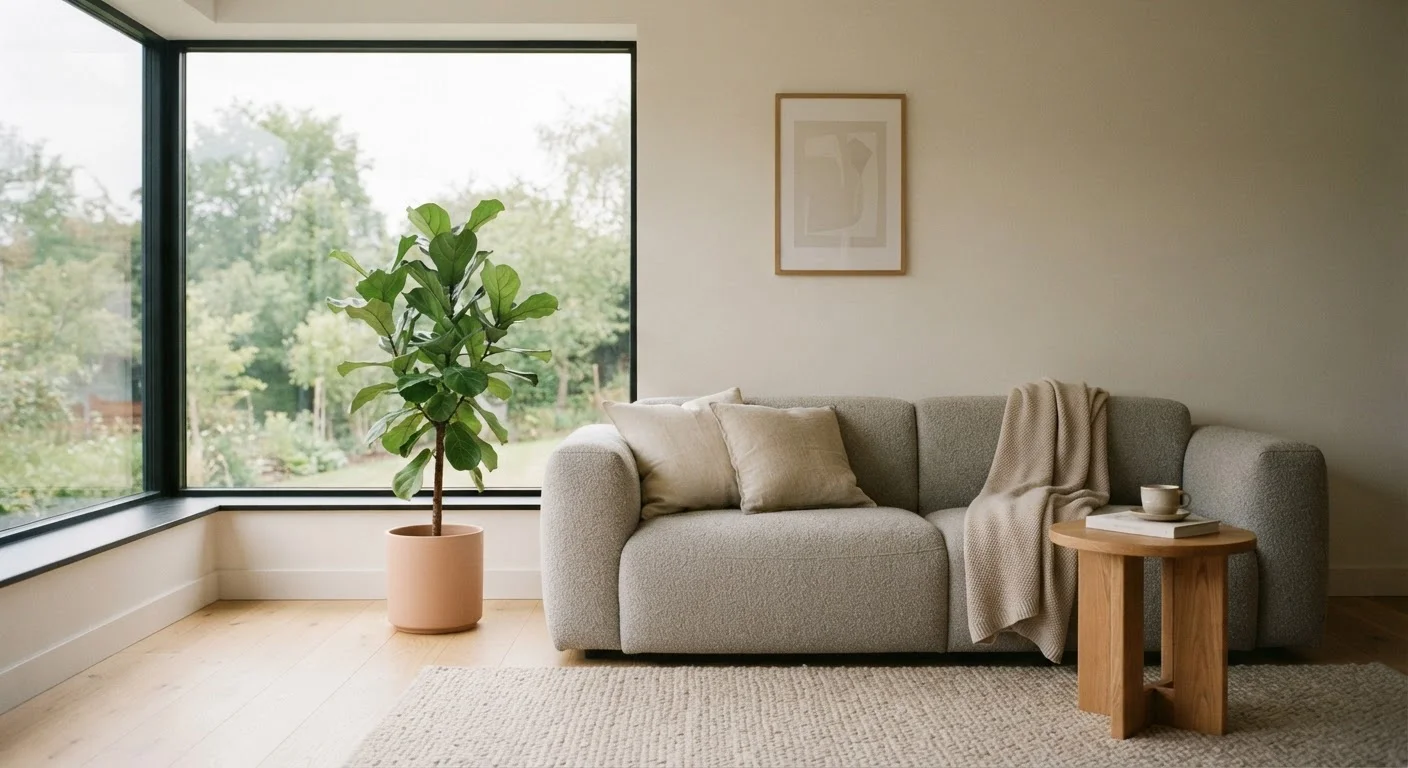
Minimalist home organization is built on one core idea: keep only what you use, need, or genuinely value, and give everything a designated place. It's not simply about owning fewer things - it's about designing your living spaces so that what remains is easy to find, easy to put away, and not competing for your attention.
The concept draws from broader minimalist philosophy but is distinctly practical in a home context. It prioritizes clear surfaces, functional storage, and habits that prevent accumulation. For some households, that means a dramatic reduction in possessions. For others, it means tightening up categories - fewer decorative items, streamlined wardrobes, kitchen tools pared to what actually gets used.
If you're approaching organization for the first time, this beginner's guide to home organization covers the foundational mindsets before you dive into any specific method.
The Real Advantages of a Minimalist Approach
When minimalist organization is well-matched to a household, the benefits compound over time rather than fading after the initial setup.
Reduces visual clutter and mental load
Cleared surfaces and organized storage lower the cognitive strain of managing a busy home. Studies have associated cluttered environments with elevated stress hormones and reduced ability to focus.
Makes daily maintenance faster and easier
When every item has a home and excess is minimized, tidying takes minutes rather than hours. The system is inherently self-reinforcing once established.
Highlights what you actually use and value
Removing seldom-used items clarifies which possessions genuinely serve your life. This can improve daily efficiency and reduce decision fatigue.
Can lower household spending over time
A clearer inventory of what you own reduces duplicate purchases. Knowing exactly what's in your pantry or linen closet prevents buying items you already have.
Easier to clean and maintain the home
Fewer objects mean fewer surfaces to dust, fewer items to move during cleaning, and less time spent managing possessions overall.
One often-overlooked advantage is how minimalism simplifies the act of maintaining order. With fewer items to manage and clear homes for everything, tidying becomes faster and less mentally taxing. Research on clutter and mental load suggests that visual disorder competes for cognitive attention - which helps explain why a less crowded space can genuinely feel easier to think in.
Minimalism also tends to surface the things you actually use and value, which can make daily routines more efficient. You stop rummaging and start finding.
The Genuine Drawbacks You Should Know
Minimalism isn't a universally practical system, and applying it without considering your household's real needs can create friction rather than calm.
Demands ongoing commitment, not a one-time effort
Minimalism requires regular re-evaluation of what enters and stays in your home. Without consistent habits, clutter naturally rebuilds over weeks and months.
Can conflict with sentimental or hobby-heavy lifestyles
People with meaningful collections, creative hobbies, or deep attachments to objects often find minimalist standards incompatible with how they actually live and find joy.
Difficult to sustain in multi-person households
Different occupants have different relationships with their belongings. Imposing a minimalist standard on others rarely works and can generate household tension.
Risk of discarding and repurchasing
Aggressive decluttering sometimes leads to getting rid of items that turn out to be needed, resulting in repurchase costs and wasted effort.
May not suit families with young children
Toys, art supplies, sports gear, and the general flow of children's belongings are difficult to manage within strict minimalist frameworks without constant friction.
Can feel prescriptive or emotionally restrictive
For some people, a highly pared-down environment feels sterile rather than calm. Home organization should support wellbeing, and minimalism doesn't achieve that for everyone.
The biggest challenge for most families is that minimalist organization assumes a level of individual control that shared households rarely have. Partners, children, and roommates have different attachment to objects, different tolerances for visual simplicity, and different daily routines. Getting everyone aligned on a system is already difficult - minimalism raises that bar considerably.
There's also a risk of over-correcting. Donating or discarding items to meet a minimalist standard, only to repurchase them later, wastes both money and effort. This pattern is more common than people expect.
Who Benefits Most - and Who Should Adapt the Approach
Minimalist organization tends to work best for people with stable, predictable routines and a high tolerance for restraint. Solo dwellers and couples without young children often find it sustainable. Those who travel frequently or work from home in distraction-prone environments also report meaningful benefits from pared-down spaces.
For households with kids, active hobbyists, or people who find meaning in sentimental objects, a strict minimalist framework often creates conflict between the ideal and daily reality. In these cases, a hybrid model - applying minimalist logic to high-traffic areas like kitchens and entryways while allowing more flexibility elsewhere - tends to hold up better long-term. Systems that endure are always ones built around actual behavior, not aspirational behavior.
Minimalism Works Best as a Spectrum
There's no single correct level of minimalism. Some households benefit from removing 80% of non-essentials; others gain real value from simply keeping counters clear and storage edited. Treating minimalist principles as adjustable dials - rather than binary rules - tends to produce more durable results. The measure of success is whether your space supports your daily life, not whether it meets an aesthetic standard.
Small-space households may find minimalist principles especially useful for managing limited square footage. See organizing strategies for apartments and compact homes for approaches tailored to tighter footprints.
Making Minimalist Principles Work for Your Home
You don't have to commit fully to minimalism to benefit from its core logic. A few well-applied principles can meaningfully reduce clutter without demanding a lifestyle overhaul.
- One-in, one-out: When something new enters the home, something comparable leaves. This prevents gradual accumulation without requiring periodic large-scale purges.
- Zone by function: Designate areas for specific activities and limit what lives in each zone. A kitchen counter isn't a general drop zone - it has a job.
- Audit regularly, not obsessively: A seasonal review of storage areas is more sustainable than constant editing of your possessions.
- Start with high-friction zones: Entryways, kitchen counters, and bathroom surfaces have the most daily impact. Simplifying these areas first delivers visible results quickly.
It's also worth separating minimalist aesthetics from minimalist function. You don't need bare white walls to run an organized home. The goal is a system that reduces effort and increases clarity - whatever that looks like in your space. Common organizing myths can steer you toward unrealistic standards; knowing which ideas to ignore is as useful as knowing which to adopt.