Why Fall Prep Matters More Than Most Gardeners Realize
It's tempting to wind down garden attention as temperatures drop. But the weeks between the first cool nights and your region's first hard frost are some of the most productive maintenance windows of the year. What you do - or skip - now directly shapes the health of your soil, the survival of your plants, and the workload waiting for you in spring.
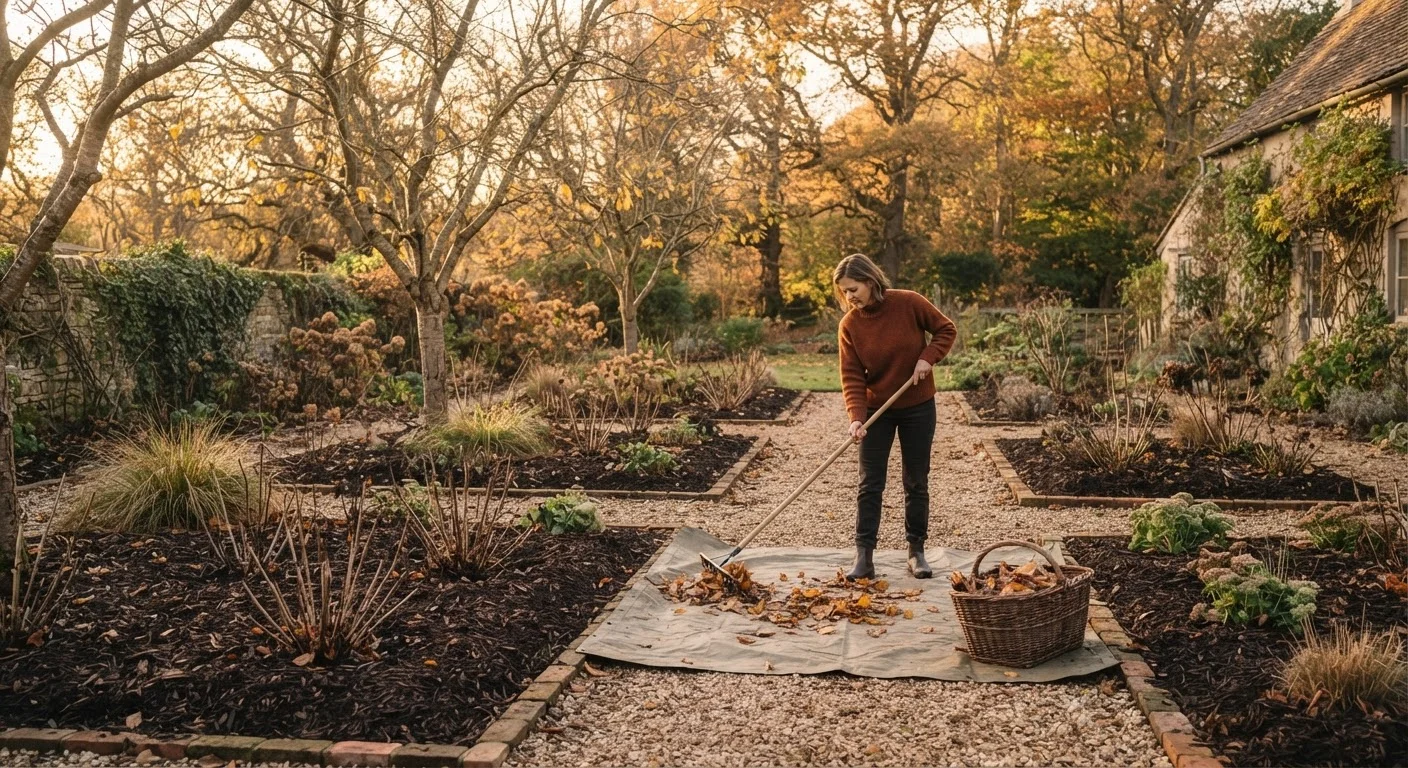
Think of fall prep as closing the loop on the growing season. Beds left with standing plant debris harbor fungal spores and overwintering pest eggs. Unprotected root zones are vulnerable to heaving when the ground alternately freezes and thaws. Soil left bare compacts under winter rain and loses structure. A systematic walkthrough now addresses all of these at once.
If you're newer to gardening and still building foundational knowledge, our introduction for new gardeners covers site selection, soil basics, and first-planting essentials that will put this seasonal checklist in fuller context.
Use the groups below to work through your garden methodically. Check off tasks as you go, and adjust priorities based on your hardiness zone - gardeners in USDA Zones 4-6 should aim to complete most of this before mid-October, while those in Zones 7-9 typically have until late November.
Cleaning Up Plant Debris
Soil Improvement
Mulching and Bed Protection
Bulbs and Tender Plants
Irrigation and Water Features
Tools, Structures, and Final Tasks
Tools You'll Need to Work Through This Checklist
Gathering your tools before you start saves multiple trips back to the garage and keeps momentum going. The list below covers both the essentials and a few time-saving additions worth having on hand.
Garden fork or spade
Loosening and turning soil to incorporate compost and to dig up tender bulbs cleanly.
Leaf rake
Removing fallen leaves from beds and collecting cut plant material efficiently.
Pruning shears
Cutting back diseased or spent perennial foliage close to the crown.
Wheelbarrow or garden cart
Moving compost, mulch, and debris around the garden without multiple trips.
Soil test kit or mail-in test
Measuring soil pH and nutrient levels so you can apply targeted amendments before winter.
Bulb planter or trowel
Planting spring bulbs at the correct depth quickly and consistently.
Air compressor with blow-out fitting
Purging water from in-ground irrigation lines to prevent freeze damage.
Fall garden prep shares the same methodical mindset as seasonal home maintenance in general. If you want to tackle the rest of your property at the same time, the seasonal home maintenance checklist covers everything from roof checks to winterizing pipes - a useful companion to this garden-focused list.
Timing, Common Mistakes, and What Comes Next
The single most common fall garden mistake is waiting too long. Once the ground freezes solid, you lose the ability to plant bulbs, work compost into beds, or divide overcrowded perennials cleanly. Check your local frost date forecast regularly - the National Weather Service and your county's cooperative extension office both provide reliable regional averages.
Don't Mulch Too Early in the Season
Applying mulch while the soil is still warm can trap heat and encourage plants to keep growing into cold weather, leaving tender new growth vulnerable to sudden frost. Wait until your area has seen a few consistent cold nights and soil temps have dropped noticeably - typically after the first light frost has browned foliage. Mulching at the right time insulates against temperature swings rather than working against the plant's natural dormancy cycle.
A second frequent error is cutting back all perennials aggressively in fall. Many ornamental grasses, coneflowers, and seed-head-bearing perennials provide wildlife habitat and food for overwintering birds. A selective approach - removing diseased stems while leaving healthy structure - balances tidiness with ecological value.
Once spring arrives and you're ready to build on this prep work, you'll find that beds with good fall mulching and amended soil warm up faster and are ready for planting earlier in the season. The effort you invest now compounds into a longer, more productive growing window next year.