The Salt Shaker Is the Wrong Place to Look
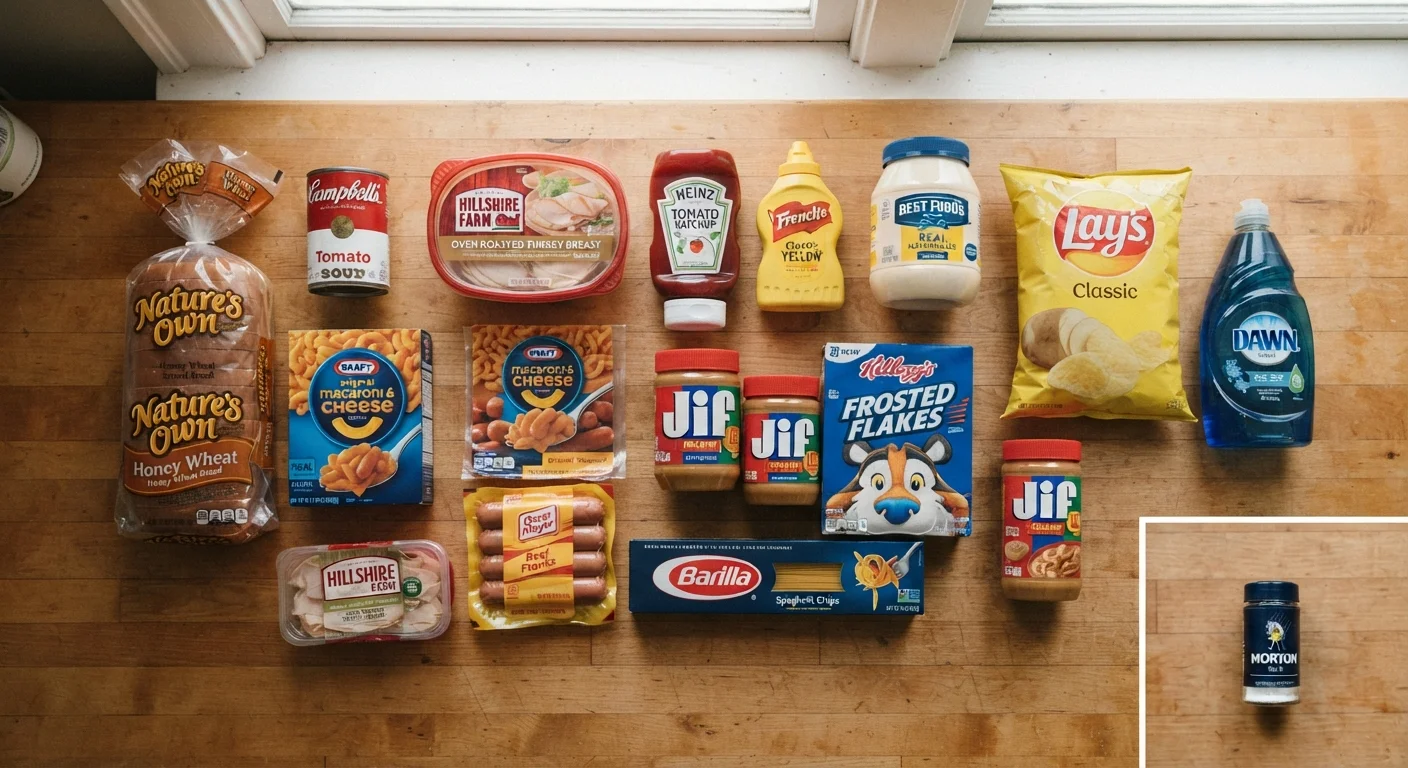
When most people think about cutting back on sodium, they picture pushing the salt shaker aside at dinner. It's an intuitive assumption - but it misses where most of the sodium actually enters the American diet. Research from the Centers for Disease Control and Prevention (CDC) has consistently found that roughly 70% of dietary sodium comes from processed, packaged, and restaurant foods, not from salt added during home cooking or at the table.
This matters because it shifts the conversation away from individual seasoning habits and toward a deeper look at what's already inside everyday foods before they're prepared. Understanding this distinction is the first practical step toward making more informed choices.
~70%
Dietary sodium from processed and restaurant foods
According to the CDC, the majority of Americans' sodium intake comes from packaged and foodservice sources, not salt added at home.
2,300 mg
Daily sodium limit for most adults
The Dietary Guidelines for Americans set this as the upper threshold for most healthy adults; roughly one teaspoon of table salt.
3,400 mg
Average daily sodium intake in the U.S.
The CDC estimates that Americans consume nearly 50% more sodium per day than the recommended limit, on average.
Where Sodium Hides in Everyday Foods
Sodium shows up in some predictable places - chips, pretzels, canned soup - but several major contributors tend to catch people off guard:
- Bread and baked goods: Commercially produced bread is consistently ranked among the top sodium sources in the American diet, not because any single serving is extreme, but because most people eat it multiple times a day.
- Cured and processed meats: Deli turkey, bacon, sausage, and hot dogs are preserved partly through salting and curing. A two-ounce serving of deli meat can carry 400-600 mg of sodium.
- Canned and packaged soups: A single cup of canned soup can contain 800 mg or more of sodium - more than a third of the recommended daily limit in one bowl.
- Condiments and sauces: Soy sauce, ketchup, salad dressing, and barbecue sauce are sodium-dense on a per-tablespoon basis. Their small serving sizes make it easy to use far more than a label suggests.
- Cheese: Natural cheeses vary widely, but many contain 150-300 mg of sodium per ounce as part of the aging and preservation process.
Learning to read the sodium line on the Nutrition Facts panel - ideally before you factor in how many servings you'll actually eat - is one of the most useful skills for navigating these hidden sources. Our guide on reading a Nutrition Facts label walks through each section of the panel in plain language.
Putting Sodium Intake in Realistic Perspective
Sodium isn't a dietary villain that needs to be eliminated - it's a mineral the body genuinely requires. The goal for most people is moderation and awareness, not avoidance. The relevant benchmark is the Dietary Guidelines for Americans' recommendation of fewer than 2,300 mg per day for most adults, though some health organizations suggest lower thresholds for people with certain cardiovascular risk factors.
Context matters here. A single restaurant meal - particularly fast food or a sit-down entrée - can contain a full day's worth of sodium in one sitting. Meanwhile, a home-cooked meal using mostly whole ingredients, even with some added salt, often lands well under that threshold. This is why cooking patterns and food sourcing, not just seasoning behavior, shape sodium intake most significantly.
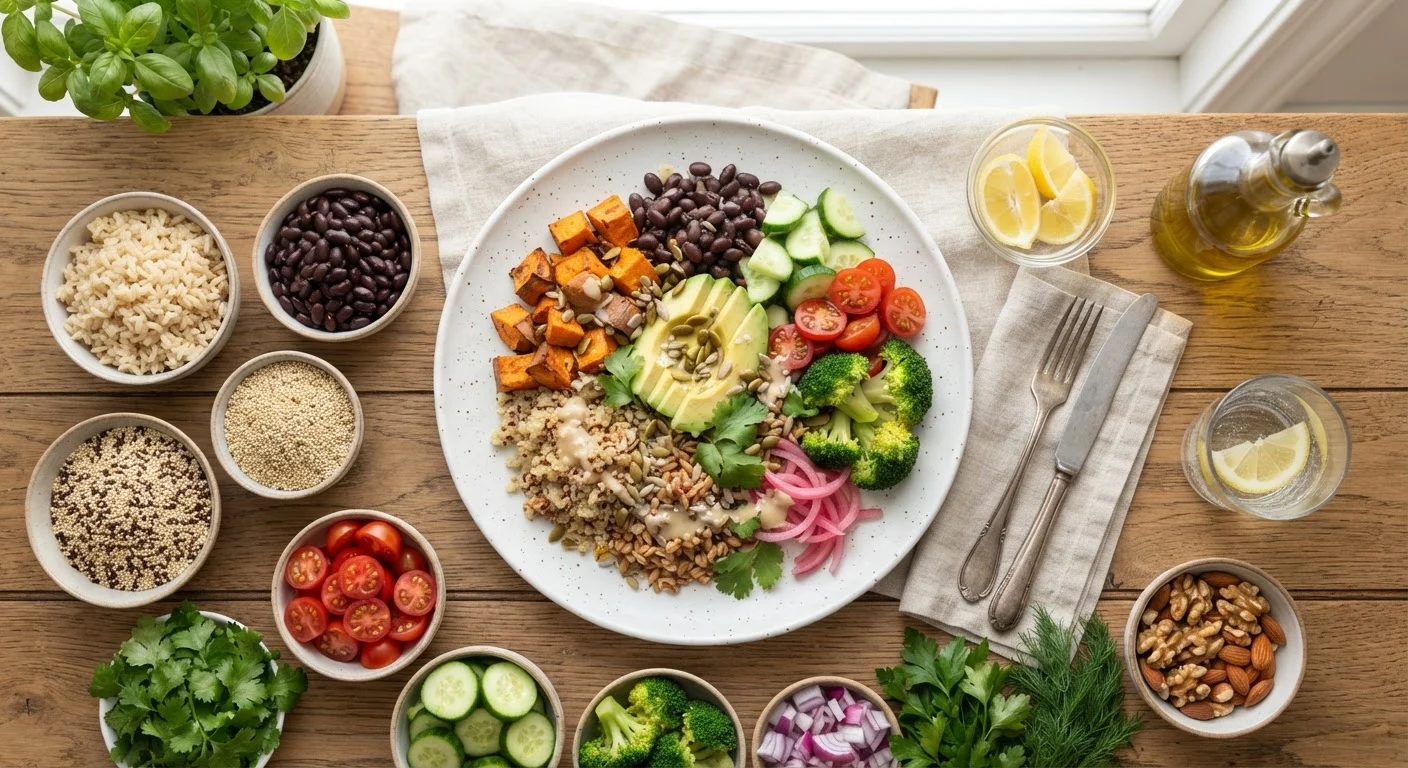
Sodium also interacts with other aspects of diet. Potassium, found abundantly in vegetables, legumes, and fruits, plays a counterbalancing role in blood pressure regulation. This is part of why dietary guidance tends to frame sodium reduction alongside increased vegetable and fruit consumption rather than as an isolated target. Thinking about nutrient-dense foods more broadly - not just sodium alone - tends to lead to more balanced and sustainable eating patterns.
This article is for informational purposes only and does not constitute medical advice. If you have concerns about your blood pressure, kidney function, or sodium intake, consult a qualified healthcare provider for guidance tailored to your health history.
Practical Strategies Worth Knowing
Reducing sodium intake doesn't require a dramatic overhaul of every meal. A few consistent adjustments can make a meaningful difference over time:
- Compare labels within categories. Sodium content varies widely between brands of the same product - two cans of diced tomatoes might differ by 300 mg per serving. Choosing lower-sodium versions of staples you already buy is a low-effort starting point.
- Rinse canned foods. Running canned beans or vegetables under water for about 30 seconds can reduce their sodium content by roughly 25-40%.
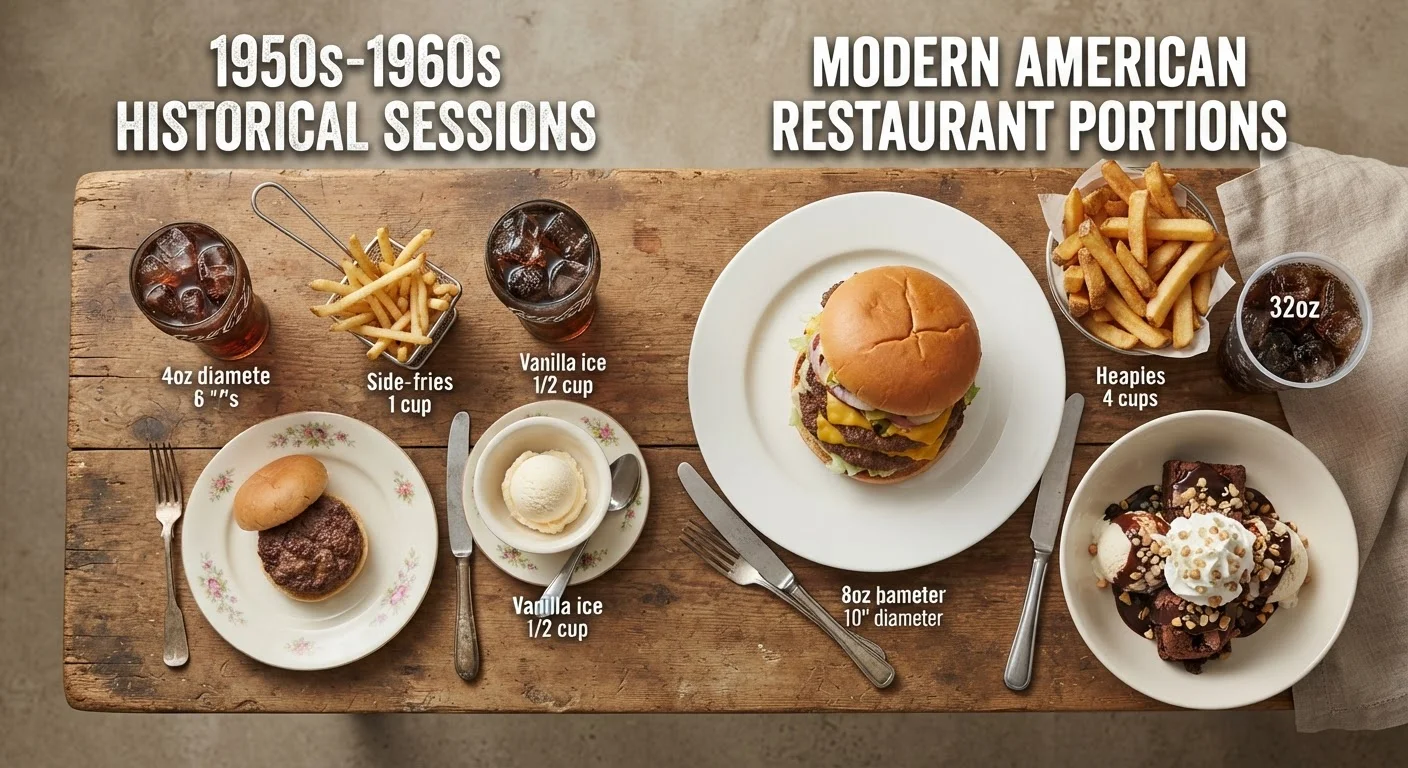
- Recalibrate portion awareness. Many sodium estimates assume the labeled serving size, which often doesn't match how much people actually eat. Our piece on portion distortion in American eating habits explores how serving norms have shifted and why it matters.
- Build flavor through other means. Acid (lemon juice, vinegar), aromatics (garlic, onion), and spices can substitute meaningfully for some of the salt in home cooking without a noticeable trade-off in satisfaction.
Taste preferences for saltiness are not fixed - they tend to adapt with gradual, consistent changes. Most people find that foods that once tasted normal begin to seem overly salty within weeks of eating lower-sodium options regularly. That adjustment process is worth accounting for when setting realistic expectations.