What 'Plant-Based' Actually Means
The term plant-based diet covers a wide spectrum. At one end sits full veganism - no animal products whatsoever. At the other, some people use the phrase to describe simply eating more vegetables, legumes, and whole grains while reducing (not eliminating) meat and dairy. In between lie vegetarian and flexitarian approaches.
This distinction matters because the nutritional trade-offs vary considerably depending on where someone falls on that spectrum. A flexitarian who eats fish twice a week faces very different planning challenges than someone following a strict vegan diet. Throughout this article, we address the full range, noting where concerns are most acute. For a broader view of how these principles fit within any eating pattern, see principles for building a balanced plate.
The Advantages: Why the Evidence Is Compelling
Decades of nutritional research point to meaningful health benefits associated with plant-forward eating. These aren't trivial associations - many appear across large prospective cohort studies and systematic reviews.
Reduced risk of cardiovascular disease
Plant-based diets are associated with lower LDL cholesterol, reduced blood pressure, and decreased rates of heart disease - benefits attributed to higher fiber, lower saturated fat, and greater intake of heart-protective nutrients like potassium and folate.
Lower risk of type 2 diabetes
Evidence from large cohort studies suggests plant-forward eaters have meaningfully lower rates of type 2 diabetes, likely reflecting benefits of dietary fiber on insulin sensitivity and blood sugar regulation.
Associated with healthier body weight
Plant-based diets tend to be lower in caloric density and higher in fiber, which promotes satiety. Research generally finds lower average BMI among those following plant-forward eating patterns.
Higher fiber intake supports gut health
Dietary fiber feeds beneficial gut bacteria and supports microbiome diversity, which is linked to digestive health, immune function, and even mood regulation through the gut-brain axis.
Rich in antioxidants and phytonutrients
Fruits, vegetables, legumes, and whole grains supply a wide range of antioxidants and anti-inflammatory compounds that are largely absent from heavily processed or animal-centric diets.
Potential reduction in certain cancer risks
Research - including findings from the World Cancer Research Fund - links high intake of plant foods and reduced consumption of processed and red meat to lower risks of colorectal and other cancers.
~25%
Reduced risk of cardiovascular mortality
A meta-analysis published in JAMA Internal Medicine found vegetarian diets were associated with approximately a 25% lower risk of dying from heart disease compared to non-vegetarian diets.
23%
Lower risk of type 2 diabetes
Research published in PLOS Medicine found that adherence to a plant-based dietary pattern was associated with a roughly 23% lower risk of developing type 2 diabetes.
~5 kg
Average lower body weight in vegans vs. omnivores
A large review in the Journal of the Academy of Nutrition and Dietetics found vegans averaged approximately 5 kg less body weight than omnivores across studies.
Beyond individual health, plant-based diets tend to be higher in dietary fiber, which supports gut microbiome diversity, digestive regularity, and blood sugar regulation. They also generally deliver more antioxidants and phytonutrients - compounds linked to reduced inflammation - than diets centered on heavily processed foods or red meat.
The Trade-Offs: Nutrients That Require Attention
No diet is nutritionally effortless, and plant-based eating has specific blind spots. Several nutrients are either absent from plant foods, present in forms the body absorbs less efficiently, or found only in modest quantities. Recognizing these gaps is the first step toward addressing them.
Vitamin B12 is essentially absent from plants
B12 is found almost exclusively in animal-derived foods. Those following strict vegan diets require reliable supplementation or consistent use of fortified foods; deficiency can cause irreversible neurological damage if left unaddressed.
Iron absorption is less efficient from plant sources
Plant foods supply non-heme iron, which is absorbed at a lower rate than the heme iron in meat. Dietary inhibitors like phytates in grains and legumes can reduce absorption further, increasing the risk of iron-deficiency anemia - especially in women of reproductive age.
Omega-3 fatty acids require deliberate sourcing
The long-chain omega-3s EPA and DHA - critical for brain and cardiovascular health - are found primarily in fatty fish. Plants supply ALA, a shorter-chain precursor, but conversion to EPA and DHA in the body is limited and variable.
Calcium and vitamin D need active planning
Dairy is a dominant source of calcium in the American diet; those avoiding it must rely on fortified plant milks, tofu made with calcium sulfate, and leafy greens while also managing vitamin D status, which affects calcium absorption.
Zinc bioavailability is lower from plant foods
Phytates in legumes, whole grains, and seeds bind zinc and reduce its absorption. Plant-based eaters may need higher total zinc intake relative to omnivores to achieve adequate status.
Meal planning demands more knowledge and effort
Achieving nutritional completeness on a plant-based diet - particularly a vegan one - requires more deliberate food selection, label reading, and often supplementation compared to a mixed diet.
If you're concerned you may already be experiencing symptoms of nutritional shortfalls, signs your diet may be missing key nutrients walks through what to watch for and when to seek professional input.
Supplements on a Plant-Based Diet
A daily vitamin B12 supplement is widely recommended for those following a vegan diet - this is one of the few nutritional areas where supplementation is considered essential rather than optional. Depending on individual circumstances, a healthcare provider may also recommend checking levels of vitamin D, iron, and omega-3 fatty acids. Always discuss supplementation with a qualified professional before starting, as appropriate dosages vary by individual health status.
Special Populations: When Professional Guidance Matters Most
For most healthy adults, a well-planned plant-based diet can meet nutritional needs. However, certain groups face elevated risk and should consult a qualified healthcare provider or registered dietitian before making significant dietary changes:
- Pregnant and breastfeeding individuals have higher requirements for iron, folate, iodine, choline, and DHA - nutrients that require careful sourcing on plant-based diets.
- Infants and young children have critical needs for vitamin D, calcium, zinc, and adequate calories for growth; deficiencies during development can have lasting consequences.
- Older adults face reduced absorption of B12 and calcium even on omnivorous diets, making attention to these nutrients even more important. See how dietary needs shift across life stages for more context.
- Individuals managing chronic conditions such as kidney disease, osteoporosis, or iron-deficiency anemia may need tailored adjustments.
This article provides general health information and is not a substitute for personalized medical or dietary advice. Please consult a qualified healthcare professional before making significant changes to your diet.
A Note on Ultra-Processed Plant Foods
One common misconception is that any food labeled "plant-based" is automatically healthy. The market for plant-based meat alternatives, packaged snacks, and dairy substitutes has expanded rapidly - but many of these products are ultra-processed, high in sodium, and low in fiber or micronutrients.
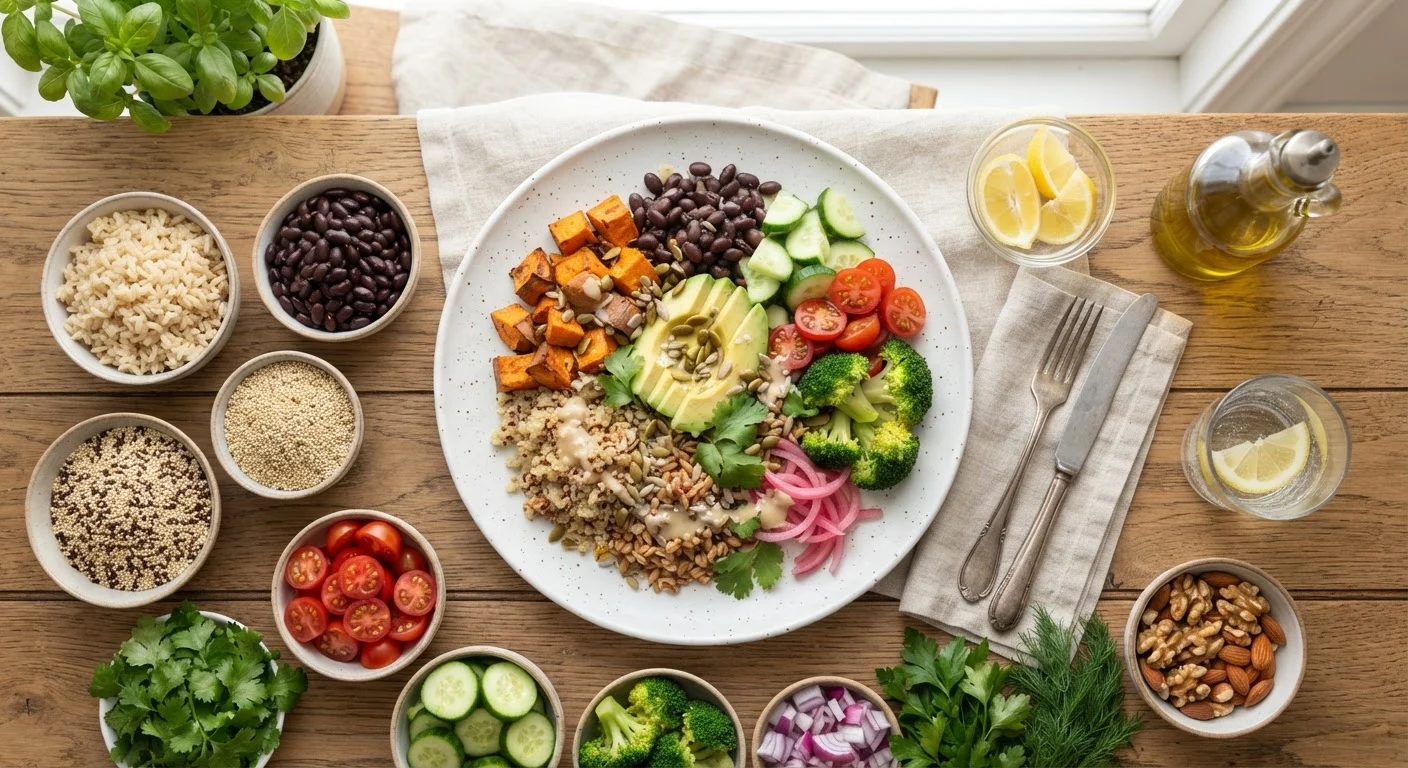
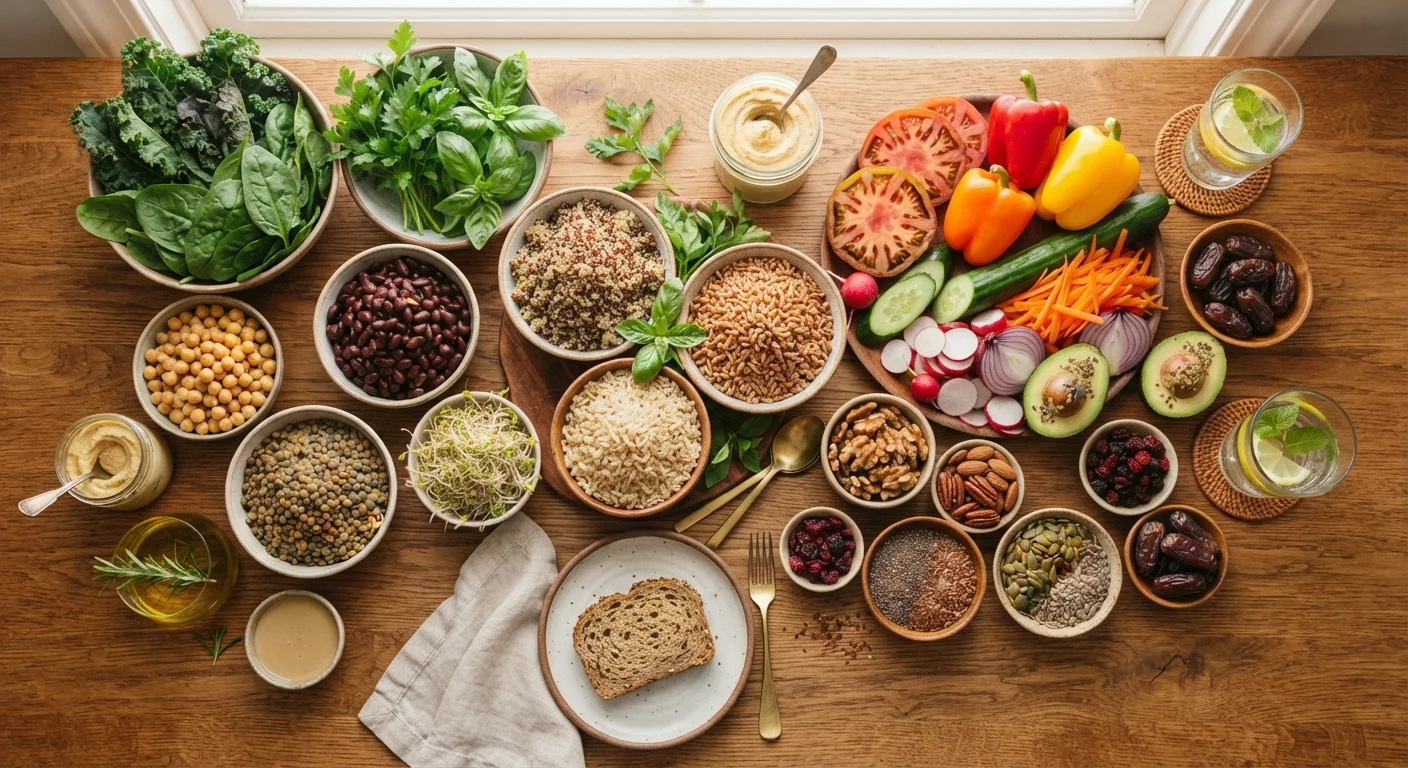
Reading ingredient lists and nutrition labels carefully remains essential. A diet built around whole or minimally processed plant foods - legumes, whole grains, vegetables, fruits, nuts, and seeds - is nutritionally distinct from one reliant on packaged plant-based convenience products. For help navigating nutrition labels on any packaged food, reading a nutrition facts label without getting confused is a practical starting point.
It's also worth checking your assumptions: many popular beliefs about "healthy" or "unhealthy" foods don't hold up to scrutiny. persistent nutrition myths and what the evidence shows can help separate fact from marketing.