Why Nutritional Needs Change With Age
The human body undergoes profound physiological changes from infancy through older adulthood - and the nutrients required to support those changes shift accordingly. Growth velocity, hormonal fluctuations, metabolic rate, digestive efficiency, and organ function all evolve across the lifespan, creating distinct nutritional priorities at each stage.
These differences aren't subtle. The iron needs of a teenage girl differ sharply from those of a postmenopausal woman. A toddler's calorie density requirements bear little resemblance to those of a sedentary 70-year-old. Understanding these shifts helps families and individuals make more intentional food choices - and recognize when professional guidance is warranted.
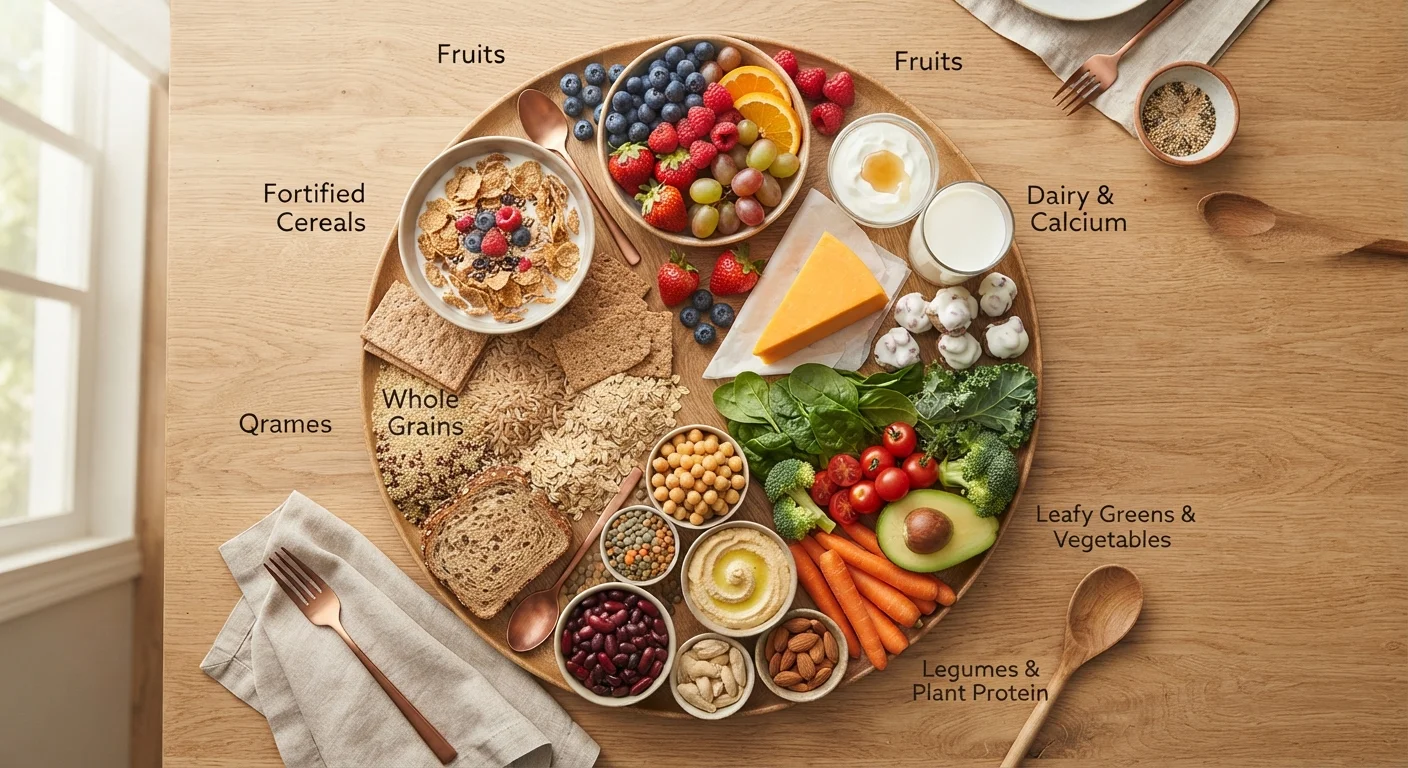
For a broader framework on structuring meals at any age, see our guide on building a balanced plate - the underlying principles there apply across life stages even as specific nutrient targets vary.
~1,300 mg
Daily calcium needed by adolescents (ages 9-18)
According to the National Institutes of Health Office of Dietary Supplements, this is the Recommended Dietary Allowance for calcium during peak bone-building years.
1-2%
Estimated metabolic rate decline per decade after early adulthood
Research published in science journals on metabolic change suggests this gradual reduction contributes to shifting calorie needs across the adult lifespan.
46%
Older adults with inadequate vitamin D intake
Data from national nutrition surveys in the U.S. have consistently found that a large proportion of adults over 65 do not meet recommended vitamin D levels through diet alone.
Childhood and Adolescence: Building the Foundation
From birth through the late teenage years, the body is engaged in its most intensive period of physical construction. Bones are mineralizing, muscles are growing, the brain is developing neural pathways, and organ systems are maturing. This makes nutritional adequacy especially consequential during these years.
Key Nutrients in Childhood (Ages 2-12)
- Calcium and Vitamin D: Essential for bone mineralization. Dairy products, fortified plant milks, and leafy greens are common sources. The American Academy of Pediatrics emphasizes adequate vitamin D intake, particularly for children with limited sun exposure.
- Iron: Supports cognitive development and oxygen transport. Lean meats, beans, and fortified cereals contribute meaningfully to intake.
- Fiber: Supports gut health and helps establish healthy eating patterns that may persist into adulthood.
Adolescence (Ages 13-18)
Puberty dramatically increases demands for calcium, iron, zinc, and protein. Peak bone mass is largely established by the late teens, making calcium intake during this window especially important for long-term skeletal health. Iron needs rise sharply in adolescent girls due to menstruation. Research consistently shows that many adolescents fall short on these key nutrients.
Pair good nutrition with age-appropriate movement - our companion article on how children and adults stay active differently explores how physical activity patterns support healthy development.
Adulthood: Maintaining Health and Preventing Disease
Once growth is complete, roughly from the mid-20s onward, nutritional priorities pivot from construction to maintenance and disease prevention. Metabolic rate begins a gradual decline - estimated at roughly 1-2% per decade after early adulthood - which means calorie needs generally decrease even as micronutrient needs remain substantial.
Core Priorities for Adults (Ages 19-64)
- Protein: Supports muscle maintenance, immune function, and enzymatic activity. Current evidence supports distributing protein across meals rather than concentrating it in one sitting.
- Folate (especially for women of reproductive age): Critical for preventing neural tube defects; adequate intake before and during early pregnancy is strongly recommended by health authorities.
- Fiber and Antioxidants: Diets rich in vegetables, fruits, legumes, and whole grains are associated in epidemiological research with lower rates of cardiovascular disease, type 2 diabetes, and certain cancers.
- Sodium and Saturated Fat: Keeping these in check becomes increasingly important as adults enter the age range where chronic disease risk rises.
Stress, which can affect appetite, food choices, and nutrient absorption, also intersects with nutrition during the adult years. Our article on stress management across the lifespan addresses this connection in detail.
For a detailed reference on individual vitamins and minerals, our vitamins and minerals quick-reference guide offers a useful lookup tool.
Older Adulthood: Adapting to a Changing Body
After age 65, a convergence of physiological changes creates a nutritional paradox: calorie needs continue to fall while requirements for several key nutrients actually increase. Reduced appetite, changes in taste and smell, medication interactions, and diminished digestive efficiency can all compromise nutritional status in older adults.
Priority Nutrients After 65
- Protein: Older adults require more protein per kilogram of body weight than younger adults to counter sarcopenia (age-related muscle loss). Spreading intake across meals supports muscle protein synthesis more effectively than one large serving.
- Calcium and Vitamin D: Bone loss accelerates with age, and the ability to synthesize vitamin D from sunlight declines. Dietary sources and, where appropriate, supplementation under medical guidance become more important.
- Vitamin B12: Atrophic gastritis - common in older adults - reduces the stomach acid needed to absorb B12 from food. Fortified foods or crystalline B12 supplements (discussed with a physician) may be necessary.
- Hydration: The thirst mechanism becomes less reliable with age, increasing risk of dehydration, which can impair cognition and kidney function.
When assessing diet quality in older adults, look beyond calories - micronutrient density matters more at this stage than sheer quantity of food.
Because total calorie intake decreases with age, every food choice carries more nutritional weight; low-nutrient foods leave less room for the vitamins and minerals that become harder to absorb.
Encourage older adults to include a protein source at every meal rather than saving it for dinner - this distribution pattern better supports muscle protein synthesis throughout the day.
Research on anabolic resistance in aging muscle suggests that spreading protein intake across meals is more effective for preserving lean mass than a single large protein-rich meal.
Physical activity remains a vital partner to good nutrition in this life stage. See our guides on active aging after 50 and movement principles for adults over 60 for evidence-informed guidance on staying active safely.
Special Populations and Professional Guidance
Certain groups face heightened nutritional complexity at any life stage: pregnant and breastfeeding individuals, people managing chronic conditions, those on multiple medications, and individuals following highly restrictive dietary patterns. For these populations, general guidance is insufficient - individualized assessment by a registered dietitian or physician is essential.
Pregnancy, for example, substantially increases needs for folate, iron, iodine, choline, and omega-3 fatty acids. Pediatric nutrition for children with food allergies or developmental conditions requires careful professional oversight. Older adults on medications for blood pressure or cholesterol may face nutrient-drug interactions that alter dietary recommendations.
This article is intended as general health information and education, not as medical or dietary advice for any individual. Nutritional needs vary based on health status, activity level, medications, and other personal factors. Always consult a qualified healthcare professional or registered dietitian before making significant changes to your diet, particularly if you are pregnant, managing a chronic condition, or caring for a child or older adult.