How Children Move Naturally
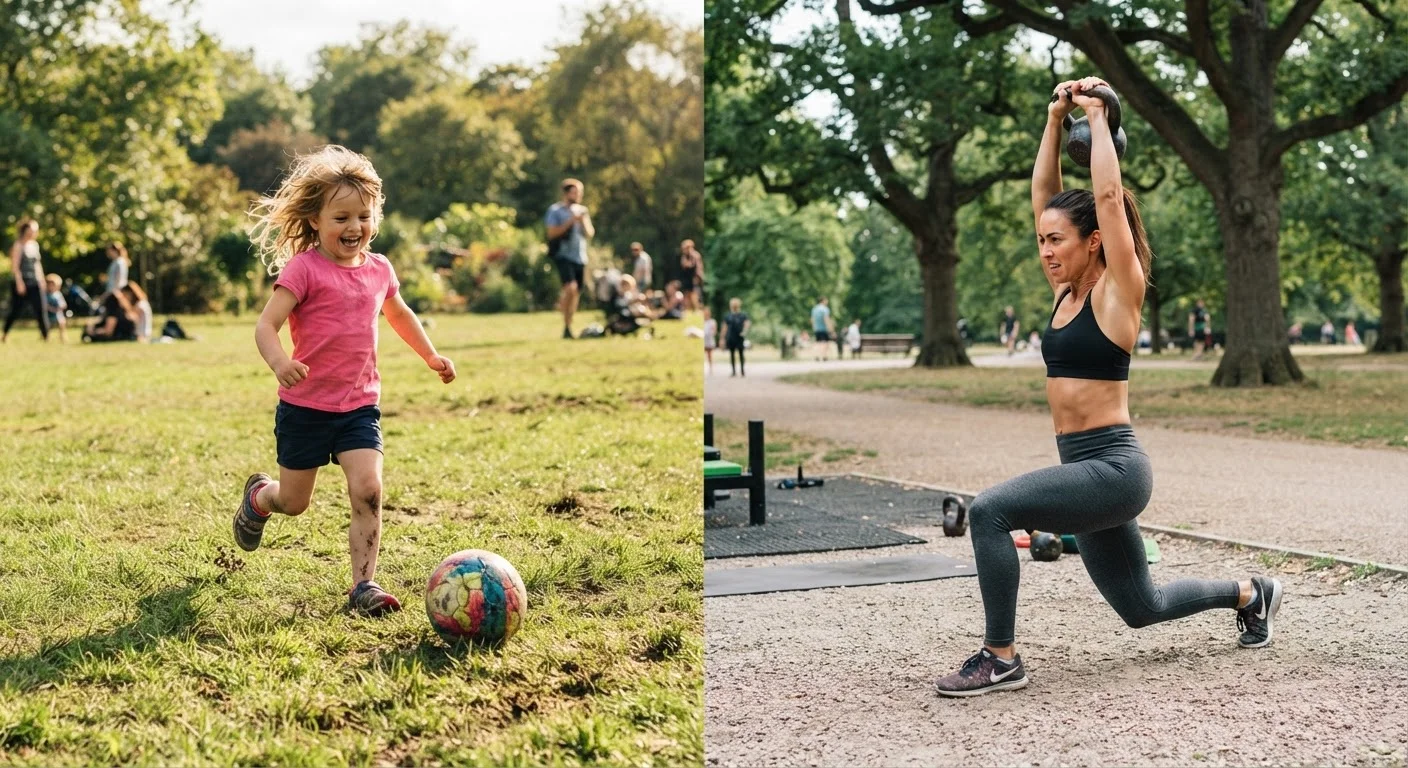
For most children, movement isn't a task - it's a default state. Kids sprint across playgrounds, tumble on grass, climb, jump, and cycle without any concept of a workout plan. This is intrinsic motivation in its purest form: activity driven by joy and curiosity rather than calorie counts or fitness goals.
Research in pediatric exercise science consistently shows that children's physical activity is characterized by high frequency, short bursts, and spontaneous recovery. Rather than sustained aerobic effort, children naturally engage in intermittent play - intense for a few minutes, then resting briefly before going again. This pattern actually aligns well with how young bodies develop cardiovascular fitness and motor skills.
Social context matters enormously for children too. Most of their movement happens with peers - on teams, in schoolyards, or just in the backyard with friends. The activity is the reward. There's rarely a sense of obligation attached to it.
How Adults Approach Physical Activity
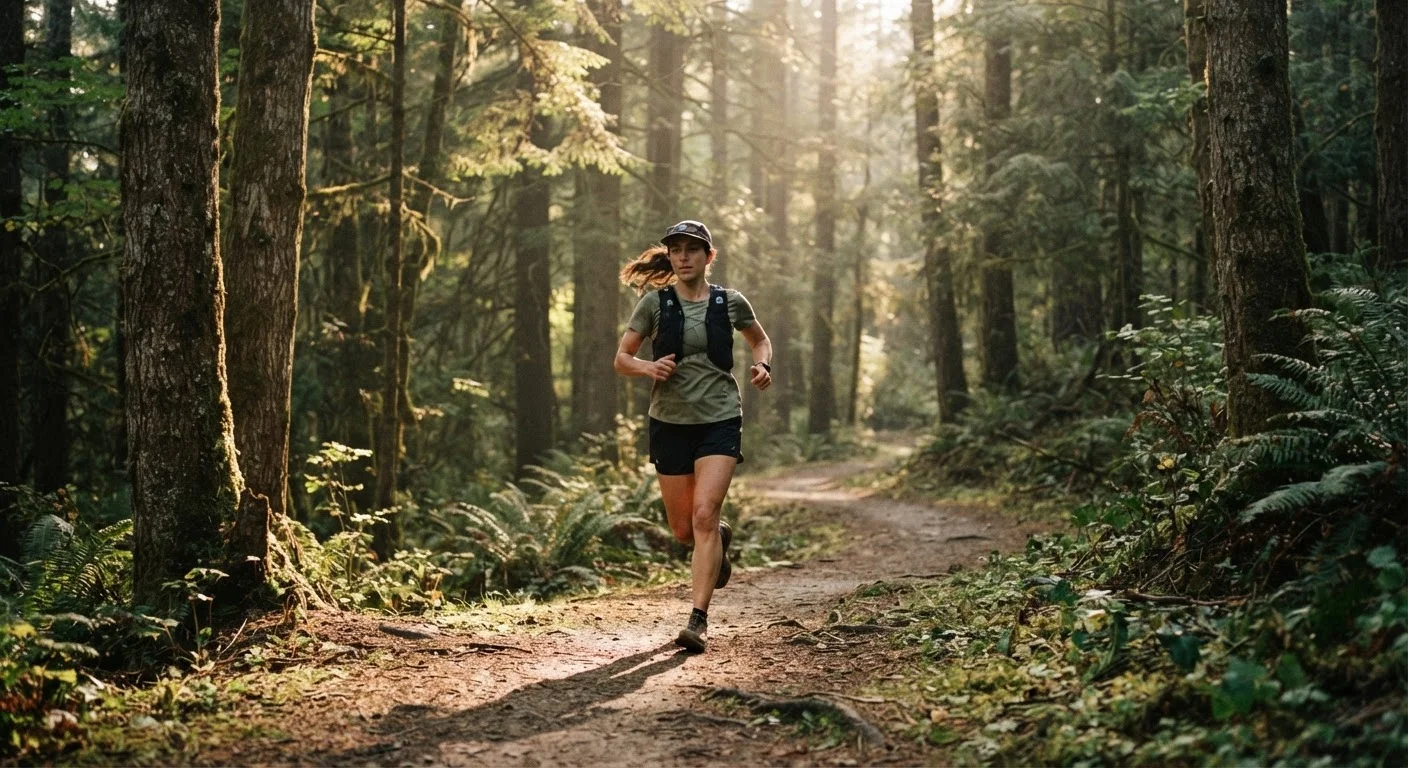
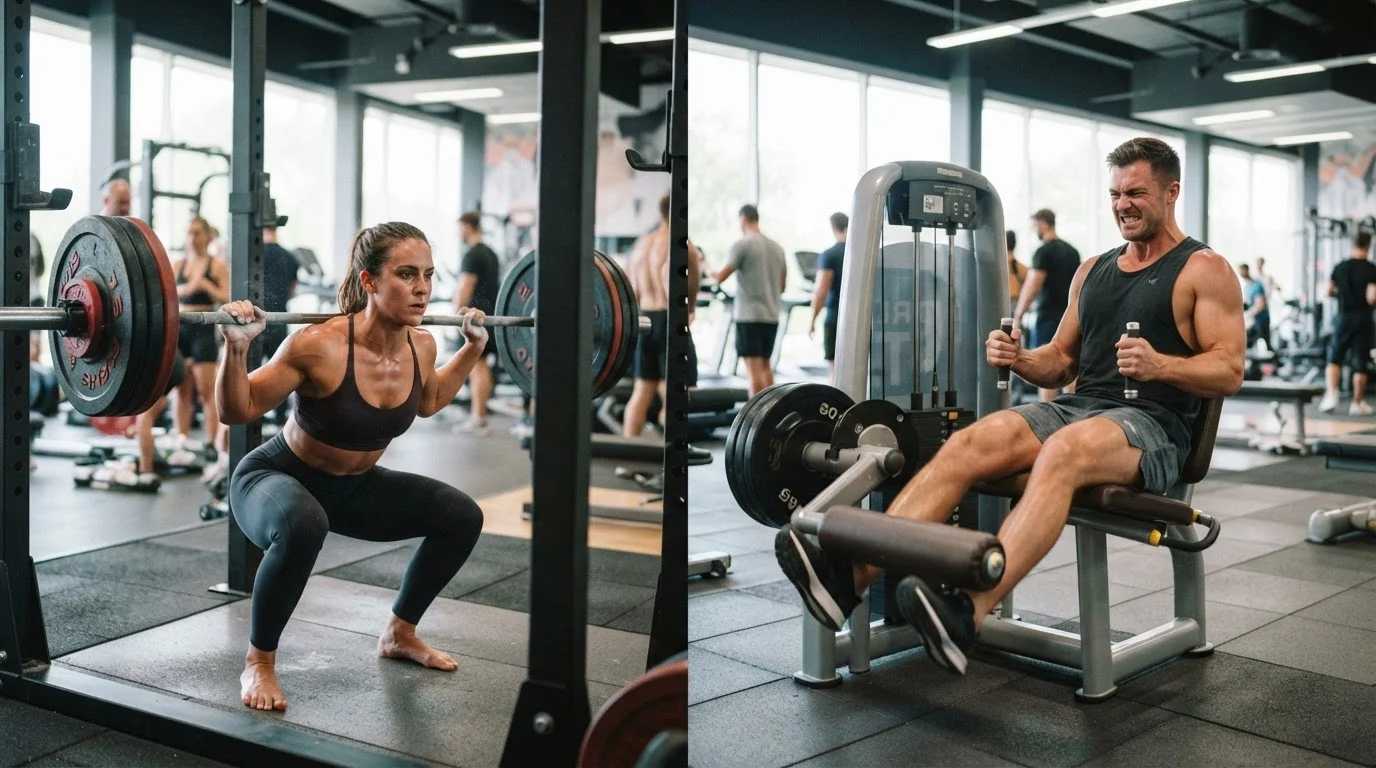
Adulthood reshapes the entire relationship with movement. Desk jobs, family responsibilities, and longer recovery windows mean physical activity becomes something most adults have to deliberately carve out of a busy schedule. Rather than spontaneous play, adults tend to rely on structured routines - scheduled gym sessions, weekly runs, or fitness classes - to stay on track.
This shift isn't a failure of willpower. It's a physiological and logistical reality. Adult bodies take longer to recover from intense effort, respond more slowly to training adaptations, and are more vulnerable to overuse injuries when activity ramps up too quickly. These factors make progressive planning - gradually increasing intensity and volume - genuinely important for adults in ways it simply isn't for children.
Motivation also works differently. Adults are far more likely to sustain activity when it connects to a meaningful personal goal: managing stress, maintaining energy for family life, or supporting long-term health. For a broader look at how adults can build lasting habits around movement they actually enjoy, see our guide on active living for people who genuinely hate working out.
| Children | Adults | |
|---|---|---|
| Primary motivation | Intrinsic joy and play | Goals, health, stress relief |
| Activity pattern | Spontaneous, intermittent bursts | Planned, structured sessions |
| Recovery needs | Fast, rarely a limiting factor | Slower; risk of overuse injury |
| Social context | Naturally group-based | Varies; often solo by default |
| Scheduling | Unplanned, organic | Requires deliberate time allocation |
| Relationship to effort | Effort is invisible within play | Effort is often consciously managed |
What Adults Can Borrow From Children
The biggest lesson adults can take from children is arguably the most counterintuitive: stop treating exercise as work. When activity is framed as a chore, adherence suffers. When it's framed as something enjoyable - a pickup basketball game, a hike with friends, a dance class - people show up consistently.
Adults can also benefit from loosening their grip on structure occasionally. Children rarely worry about hitting a specific heart rate zone or completing a precise number of reps. Allowing yourself to simply move without a performance outcome in mind can reduce the psychological barrier that stops many adults from starting at all.
Social movement is another children's habit worth reclaiming. Adults who exercise with others tend to be more consistent than those who go it alone. Our comparison of group vs. solo exercise explores this trade-off in depth.
What Children Can Learn From Adults
Children's instinctive movement is a gift, but it doesn't automatically translate into lifelong fitness habits. As they grow, introducing some degree of intentional structure - understanding warm-ups, learning to pace themselves, recognizing the value of rest - helps young people sustain activity as life gets busier.
Adults also model something valuable: the idea that staying active requires a decision, especially when motivation is low. Children who see caregivers prioritizing movement - even imperfectly - are more likely to carry active habits into adulthood. For older adults navigating these same principles across changing bodies, active aging after 50 offers relevant guidance on adapting movement for long-term sustainability.
Try 'Play First' Movement Days
Once a week, skip the structured workout and do something purely because it sounds fun - frisbee, shooting hoops, swimming, or even an active video game. This approach reframes movement as enjoyable rather than obligatory, which research in behavioral psychology suggests can improve long-term adherence. You may find that unstructured activity days leave you feeling refreshed rather than behind on your fitness goals.
This article is for general informational purposes only and does not constitute medical or fitness advice. Consult a qualified healthcare or fitness professional before making significant changes to your or your child's physical activity routine.