Why Fitness After 50 Looks Different
The body in its fifth decade and beyond operates under genuinely different biological conditions than it did at 25. Muscle mass naturally declines at roughly 1-2% per year after age 50 - a process called sarcopenia - while bone density, joint flexibility, and cardiovascular capacity also shift. These aren't reasons to reduce activity; they're reasons to approach activity more deliberately.
What changes most is not the importance of exercise but the calculus around it. High-impact or high-intensity approaches that once produced quick results may now demand longer recovery, carry a higher injury risk, or simply feel unsustainable. The goal shifts from peak performance toward functional longevity - the ability to move well, live independently, and enjoy daily life for decades to come. See our guide to functional fitness for a deeper look at why this framework matters as you age.
The Four Pillars of Active Aging
Exercise science and public health guidelines consistently point to four movement categories that together support healthy aging. A well-rounded routine after 50 touches all four:
- Aerobic (cardiovascular) activity: Activities like brisk walking, cycling, or swimming that elevate heart rate and support heart and lung health. The U.S. Department of Health and Human Services recommends at least 150 minutes of moderate-intensity aerobic activity per week for most adults.
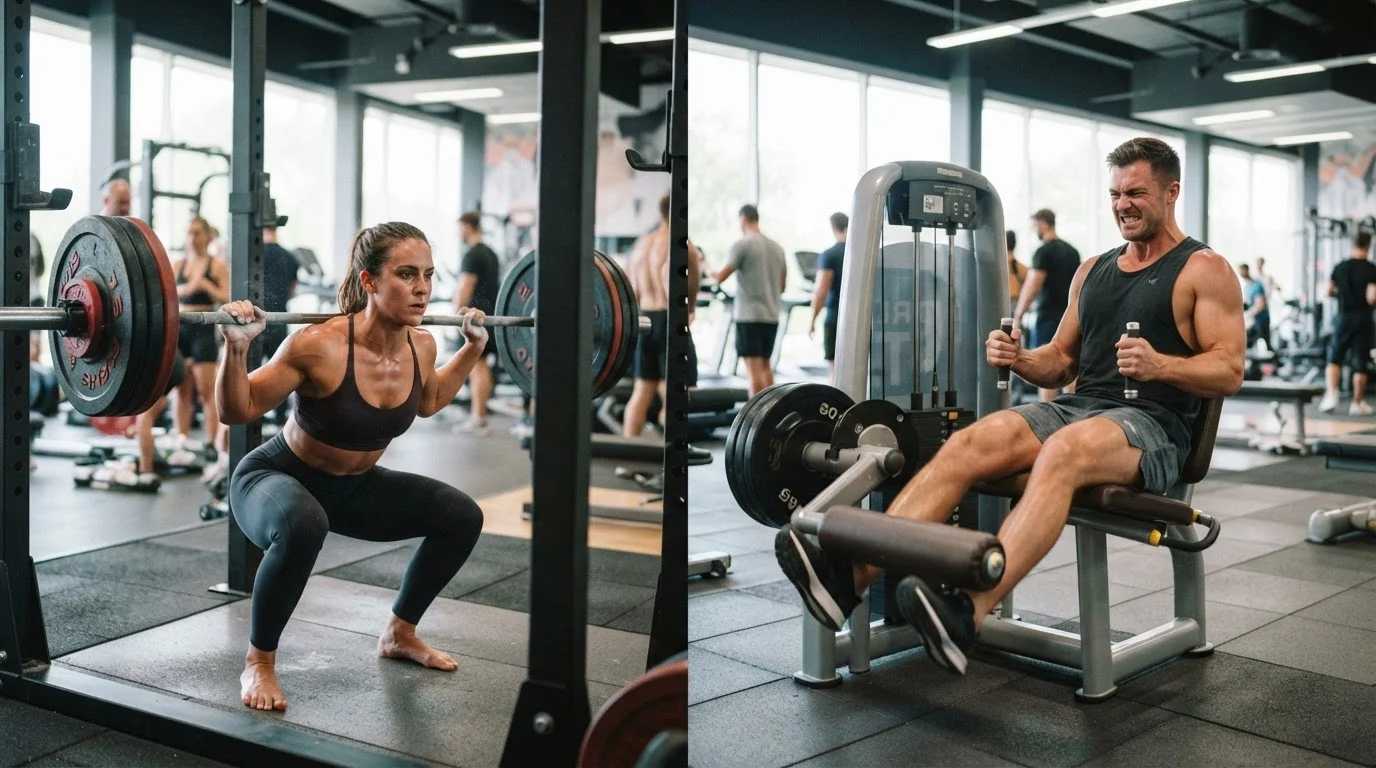
- Muscle-strengthening: Resistance training - using bodyweight, resistance bands, or weights - preserves muscle mass and bone density. Two or more sessions per week targeting major muscle groups is a widely cited benchmark.
- Flexibility and mobility: Stretching, yoga, and similar practices maintain range of motion and reduce injury risk. These become especially important as connective tissue stiffens with age.
- Balance training: Tai chi, single-leg exercises, and stability work directly reduce fall risk, which becomes a significant concern after 65. Starting balance work in your 50s builds a meaningful buffer.
Don't anchor your progress to the mirror or the scale - track functional benchmarks instead. Can you climb two flights of stairs without pausing? Get up from the floor unassisted? These markers tell you far more about healthy aging than body composition alone.
Functional performance measures are directly linked to independence, fall prevention, and quality of life outcomes in older adults, according to research in gerontology and sports medicine.
If you're returning to exercise after a long break, treat the first month as 'movement practice,' not training. Focus on showing up consistently at low intensity before adding any structure or progression.
Exercise adherence research consistently shows that habit formation precedes fitness adaptation - trying to do too much too soon is the leading cause of early dropout in adults returning to activity.
Schedule balance training at the start of your session when your neuromuscular system is freshest. Doing it last, when you're fatigued, reduces the quality of proprioceptive training and increases the risk of stumbles.
Balance and coordination rely heavily on neuromuscular responsiveness, which declines with fatigue - placing balance work early maximizes both safety and training benefit.
Building Sustainable Habits Beyond the Gym
One of the most durable insights from exercise adherence research is that people stick with activities they actually enjoy. For adults over 50, the gym is one option among many - not a requirement. Active living strategies built around personal preferences consistently outperform gym-centric plans for long-term consistency.
Effective movement opportunities embedded in everyday life include:
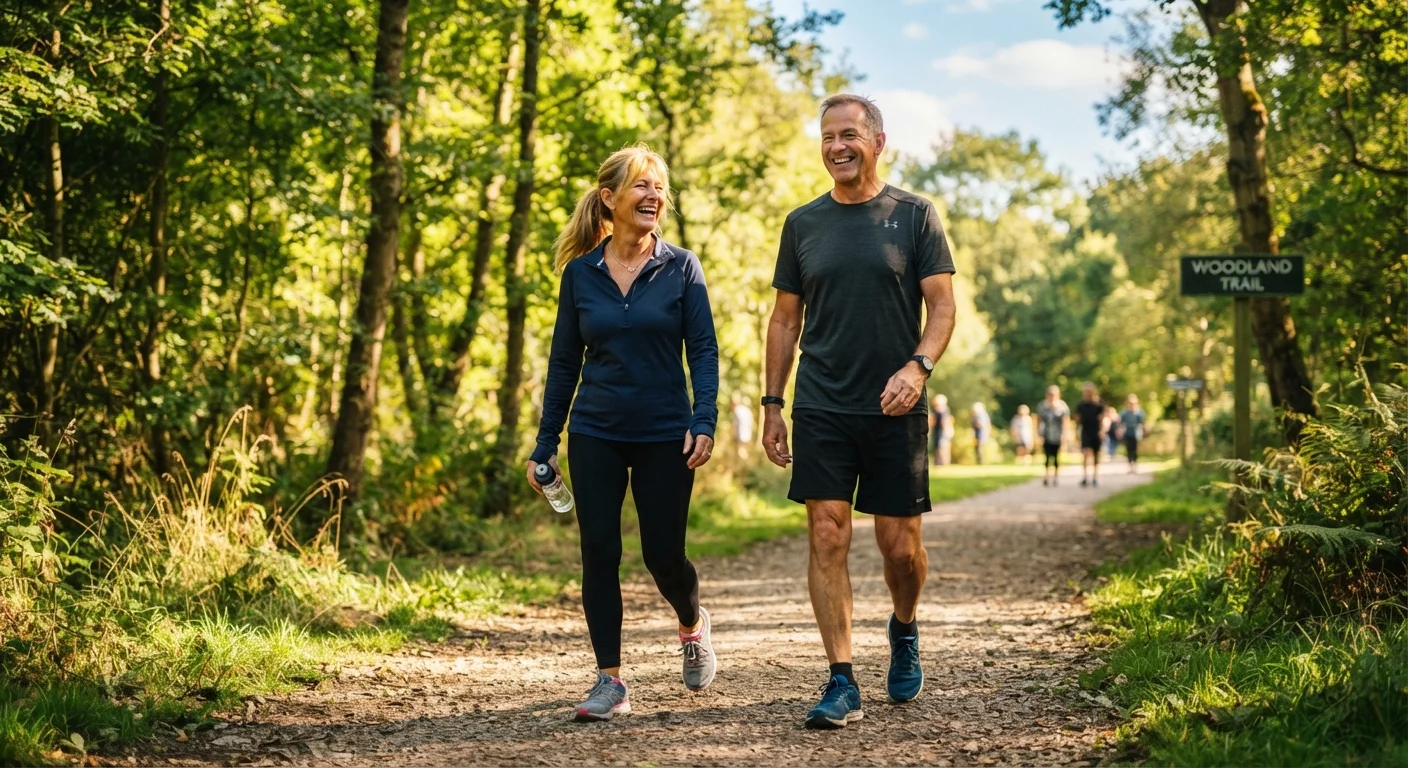
- Walking: One of the most studied and accessible forms of exercise. A 30-minute daily walk delivers measurable cardiovascular, metabolic, and mental health benefits.
- Gardening and yard work: Research published in sports and public health literature classifies moderate gardening as qualifying physical activity - it involves squatting, lifting, and sustained low-intensity effort.
- Water-based activities: Swimming and water aerobics are joint-friendly and effective for both cardio and muscular endurance, making them particularly well-suited for adults managing joint discomfort.
- Group or social movement: Dance classes, hiking clubs, or recreational sports provide both the physical stimulus and the social accountability that strengthen habit formation.
For readers who aren't natural exercisers, the comparison between how children and adults stay active differently offers useful perspective on reclaiming a more intuitive relationship with movement.
How to Adapt When Your Body Signals Change
Pain, stiffness, and fatigue are communication, not failure. After 50, learning to distinguish productive discomfort (the mild muscle fatigue of a good workout) from injury warning signals (sharp, localized, or persistent pain) becomes a critical skill.
Common adaptations that support continued activity include:
- Replacing high-impact activities (running on pavement) with lower-impact alternatives (trail walking, cycling, elliptical training) when joints require it.
- Extending warm-up and cool-down durations - tissue that takes longer to prepare also takes longer to recover.
- Spacing strength sessions further apart to allow adequate muscle repair.
- Modifying exercise range of motion rather than eliminating movements entirely.
Chronic conditions such as arthritis, osteoporosis, hypertension, or diabetes are common in this age group and each carries specific exercise considerations. A qualified healthcare provider or certified exercise physiologist can tailor guidance to your individual health profile. This article provides general health information and is not a substitute for personalized medical advice.
The Role of Nutrition and Recovery
Fitness after 50 is not built solely in movement sessions - it is consolidated during recovery. Sleep, nutrition, and stress management all directly influence how the body responds to exercise. Protein synthesis (the process by which muscles repair and grow) becomes less efficient with age, making adequate dietary protein particularly relevant for active older adults.
Hydration also warrants attention: the thirst mechanism becomes less reliable with age, meaning adults over 50 may not feel thirsty even when mildly dehydrated - a state that impairs both performance and recovery. Dietary needs shift meaningfully across decades, and the nutrition changes across life stages are worth understanding alongside any fitness plan.
Stress has a direct physiological impact on recovery and exercise adaptation. Managing it is not peripheral to fitness - it is part of it. For adults navigating midlife demands, understanding how stress management evolves with age can meaningfully support training outcomes.
Getting Started: Practical First Steps
The most effective program for an adult over 50 is one that actually gets started. A few principles help translate intention into action:
- Begin with a medical check-in. Before significantly increasing activity levels, consult your healthcare provider - particularly if you have been sedentary or are managing any chronic condition.
- Start at a realistic intensity. The goal of the first few weeks is habit formation, not fitness gains. Perceived effort should feel manageable, not exhausting.
- Prioritize consistency over duration. Three 20-minute sessions per week consistently outperforms one 90-minute session followed by a week off.
- Track how you feel, not just what you do. Energy levels, sleep quality, and mood are meaningful indicators of whether your current routine is sustainable.
- Progress gradually. A general guideline from exercise science suggests increasing volume or intensity by no more than 10% per week to reduce overuse injury risk.
For adults continuing into their 60s and beyond, movement principles for adults over 60 provide the next layer of adaptation guidance as the body continues to evolve.
This article is for general informational purposes only and does not constitute medical advice. Consult a qualified healthcare professional before beginning any new exercise program, particularly if you have existing health conditions or have been physically inactive.