The Depreciation Problem GAP Insurance Solves
A new car can lose 15-20% of its value within the first year of ownership. That's a significant drop - and it happens regardless of how carefully you drive. Meanwhile, your monthly loan payments reduce your balance gradually, often more slowly than the car depreciates.
The result: for a meaningful stretch of your loan term, you can owe more than your car is worth on the open market. If your vehicle is totaled in an accident or stolen during this period, your standard auto insurance pays the car's actual cash value - not what you owe. That shortfall is yours to cover.
This is the financial exposure GAP insurance is designed to address. It bridges the difference between what your insurer pays and what you still owe your lender. For drivers who put little or nothing down, or who financed over 60-72 months, that gap can be substantial. See how this fits into the full cost of car ownership that often goes unexamined before purchase.
~20%
Average new car value lost in year one
Industry estimates consistently show new vehicles can depreciate by 15-20% within the first 12 months of ownership.
Up to $5,000+
Typical loan-to-value gap on a totaled new car
Depending on down payment, loan term, and vehicle type, the gap between loan balance and insurance payout can reach several thousand dollars.
72+ months
Loan terms now common among U.S. buyers
Longer loan terms have become increasingly common, extending the period during which drivers may owe more than their vehicle's market value.
When GAP Insurance Applies - and When It Doesn't
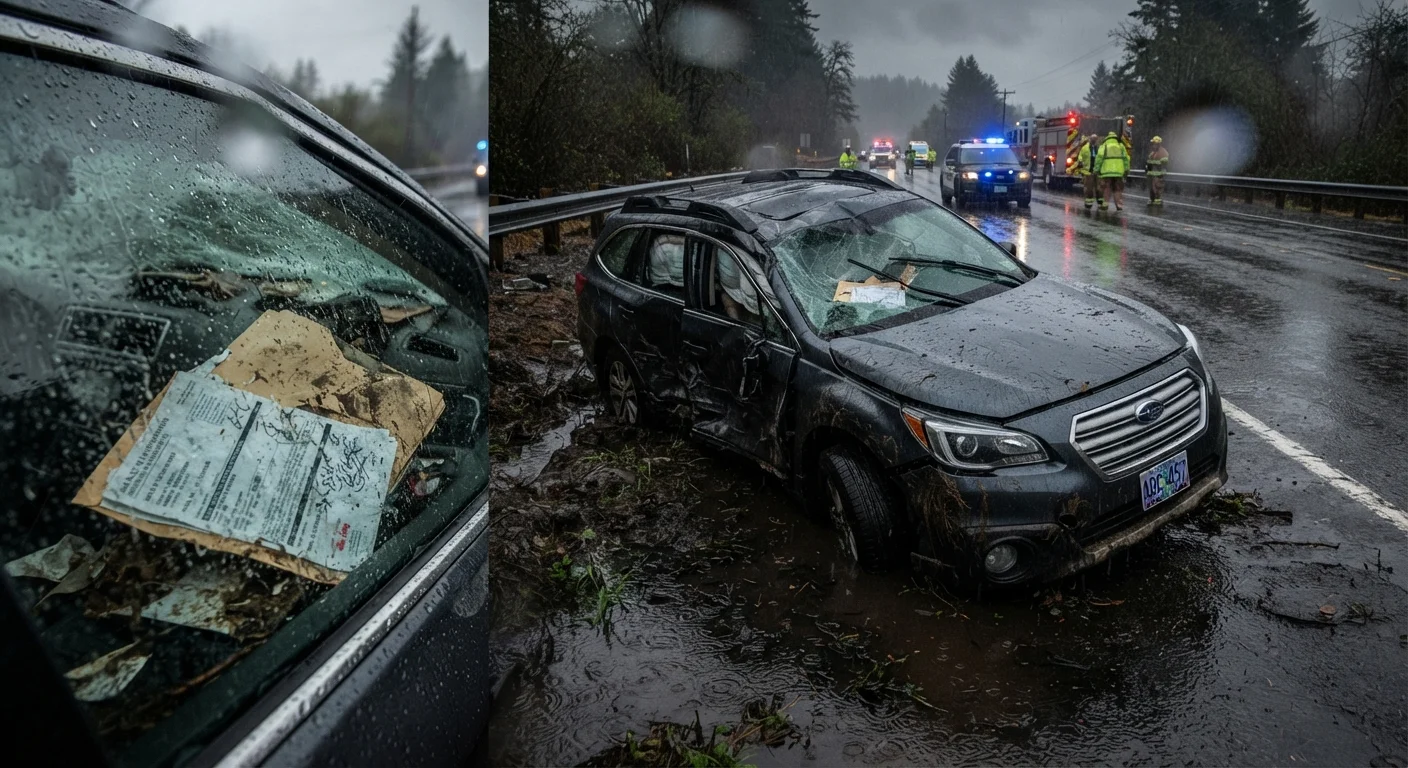
GAP insurance has a narrow but important scope. It applies in two specific situations: your vehicle is declared a total loss by your insurance company, or it is stolen and not recovered. In either case, your collision or comprehensive insurer first determines the actual cash value payout - and GAP covers what remains on your loan above that figure.
What GAP does not cover is equally important to understand:
- Mechanical repairs - even after a serious accident that doesn't total the vehicle
- Your insurance deductible - though some GAP policies include deductible coverage as an add-on
- Personal belongings inside the vehicle at time of loss
- Loan amounts rolled in at purchase - such as negative equity from a trade-in, extended warranties, or credit insurance premiums - unless the policy explicitly covers them
- Overdue or skipped payments that have accrued since the policy start
Understanding these exclusions prevents unpleasant surprises at claim time. Many drivers assume GAP is a catch-all safety net - it isn't. It's a precisely defined product for a specific financial scenario.
Who Benefits Most from GAP Coverage
Not every driver needs GAP insurance. Its value depends on how closely your loan balance tracks - or exceeds - your vehicle's market value. The following situations put drivers at the highest risk of a depreciation gap:
- Low or no down payment - starting the loan at or near the full purchase price means you're immediately underwater
- Long loan terms (60-84 months) - slower principal reduction prolongs the period when you owe more than the car is worth
- Leased vehicles - most leases involve a substantial gap between the residual value and what's owed, and many lease contracts already include GAP coverage
- High-depreciation vehicles - some makes and models lose value faster than average
- Rolled-in debt - if negative equity from a previous trade-in was folded into the new loan, you started the loan already behind
Conversely, if you made a down payment of 20% or more, chose a shorter loan term, and are financing a vehicle known for holding its value, the gap may close quickly or never materialize in a meaningful way. GAP insurance is one of those costs that catch first-time buyers off guard - worth evaluating before signing, not after.
Check Your Lease Before Buying GAP
Many vehicle leases already include GAP-style coverage as a built-in term. Before purchasing a separate GAP policy on a leased vehicle, review your lease agreement carefully. Paying for duplicate coverage is a common and avoidable mistake.
Where to Buy GAP Insurance and What to Watch For
GAP coverage is available through several channels: your auto insurer, the dealership's finance office, or your lender directly. Pricing and terms vary considerably. Dealership-sourced GAP is often rolled into the loan, meaning you'll pay interest on it over time. Purchasing directly through your auto insurer - if they offer it - typically costs less on an annual basis.
Before purchasing, confirm whether the policy covers your full loan balance or is capped at a percentage above actual cash value. Ask specifically whether your deductible is covered, and whether rolled-in amounts like warranties are included or excluded. Read the cancellation policy - if you pay off your loan early or sell the vehicle, you may be entitled to a refund of unused premium.
Once your loan balance falls below your car's current market value, the coverage is no longer providing meaningful protection. At that point, canceling GAP and redirecting that premium makes financial sense.
This article is for general informational purposes only and does not constitute financial or insurance advice. Consult your insurance provider or a licensed financial professional for guidance specific to your situation.