What Is the Monroney Label?
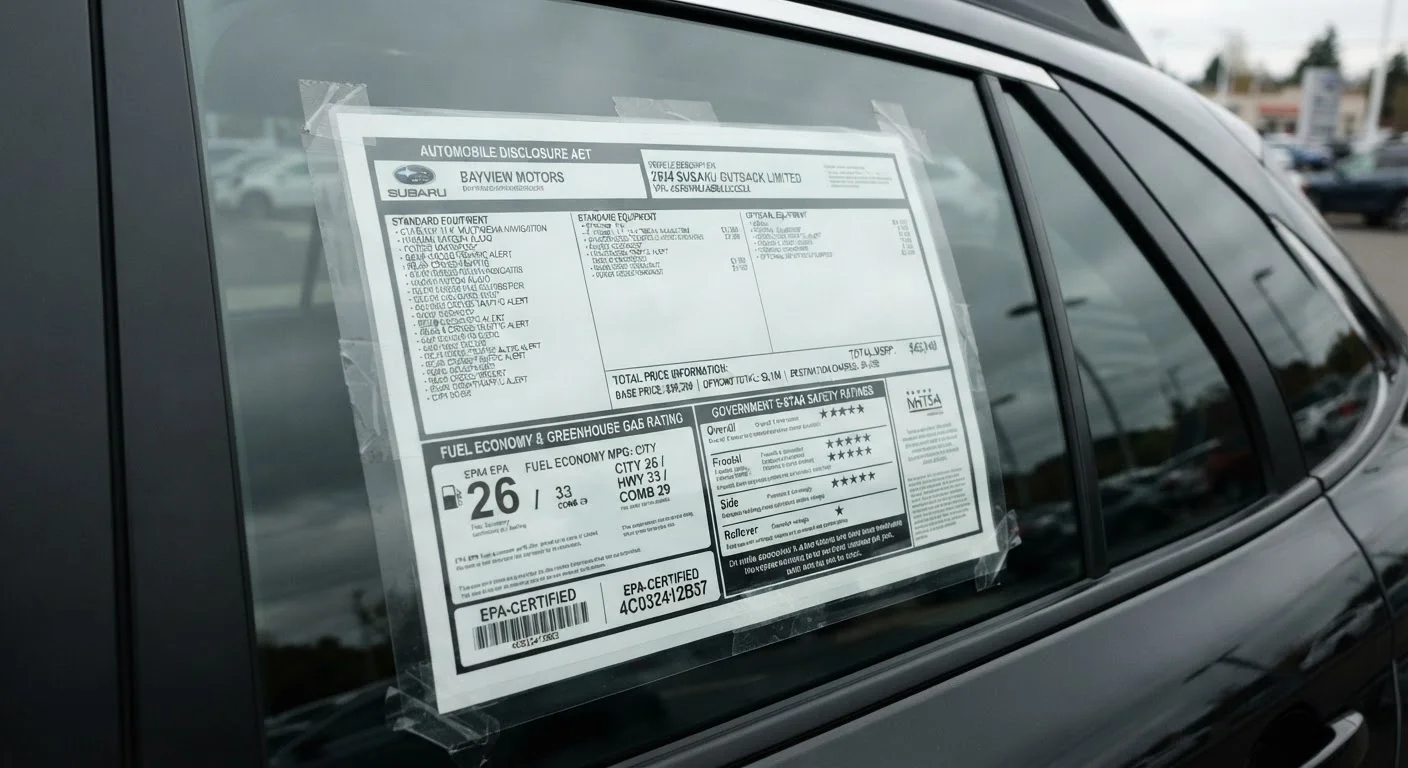
The sticker affixed to every new vehicle's window is formally called the Monroney label, named after Senator Mike Monroney, whose 1958 legislation made it a federal requirement. The law mandates that dealers cannot remove the label before the sale - only the buyer can. Its purpose is consumer protection: giving you standardized, comparable information before money changes hands.
Think of it the way you might think of a Nutrition Facts panel on packaged food - a regulated disclosure format designed so you can compare one option to another without relying solely on a salesperson's description.
Breaking Down Each Section of the Label
The Monroney label is divided into several distinct blocks. Here's what each one tells you.
Vehicle Identification and Basic Specs
At the top, you'll find the make, model, trim level, and model year. Below that is the Vehicle Identification Number (VIN) - a 17-character code unique to that specific vehicle. The VIN is used for registration, insurance, recalls, and title history searches. Also listed here: the country of assembly, engine displacement, transmission type, and drivetrain (e.g., front-wheel drive, all-wheel drive).
Standard and Optional Equipment
The largest section lists standard features included at the trim level shown, followed by a separate list of dealer-installed options with individual prices. This is where you verify that every feature you negotiated or were promised is actually present - and priced correctly.
EPA Fuel Economy Estimates
The fuel economy section shows city, highway, and combined miles-per-gallon (MPG) estimates generated by the U.S. Environmental Protection Agency. These are test-cycle estimates - your real-world results will vary based on driving habits, terrain, and climate. The label also shows an annual fuel cost estimate based on assumed mileage and a national average fuel price, which is useful for rough comparison but not a guarantee.
Safety Ratings
If the vehicle has been tested, government crash-test ratings from the National Highway Traffic Safety Administration (NHTSA) or the Insurance Institute for Highway Safety (IIHS) may appear here. Not all vehicles on sale will have ratings at the time of purchase - new models or body-style refreshes sometimes haven't been tested yet.
Pricing: MSRP Breakdown
The bottom of the label shows the Manufacturer's Suggested Retail Price (MSRP), broken into base price, the cost of each individual option, destination and delivery charge, and a total. Note that MSRP is a suggestion - actual transaction prices are negotiated separately and are not on the label.
Monroney Label
The federally required window sticker on every new vehicle, mandated by the Automobile Information Disclosure Act of 1958. It standardizes key vehicle and pricing information for consumers.
VIN
Vehicle Identification Number - a unique 17-character alphanumeric code assigned to each vehicle. It encodes the manufacturer, model, engine, and production details and is used for registration, insurance, and history reports.
MSRP
Manufacturer's Suggested Retail Price. This is the price the manufacturer recommends the vehicle be sold for; actual transaction prices are negotiated and may differ.
EPA Fuel Economy Estimate
Miles-per-gallon figures produced by U.S. Environmental Protection Agency standardized testing. They allow apples-to-apples comparisons across vehicles but may not reflect individual driving conditions.
Trim Level
A specific configuration of a model that groups together a set of standard features and equipment. Higher trim levels typically include more features at a higher base price.
Destination Charge
A fixed fee covering the cost of shipping the vehicle from the manufacturing plant to the dealership. It appears as a line item on the Monroney label and is generally non-negotiable.
Using the Label to Shop Smarter
The Monroney label is a starting point, not the final word. Cross-check the VIN against a vehicle history report before buying any used car. For new vehicles, compare the listed options line by line with your purchase agreement - discrepancies between the label and the contract deserve a clear explanation before you sign.
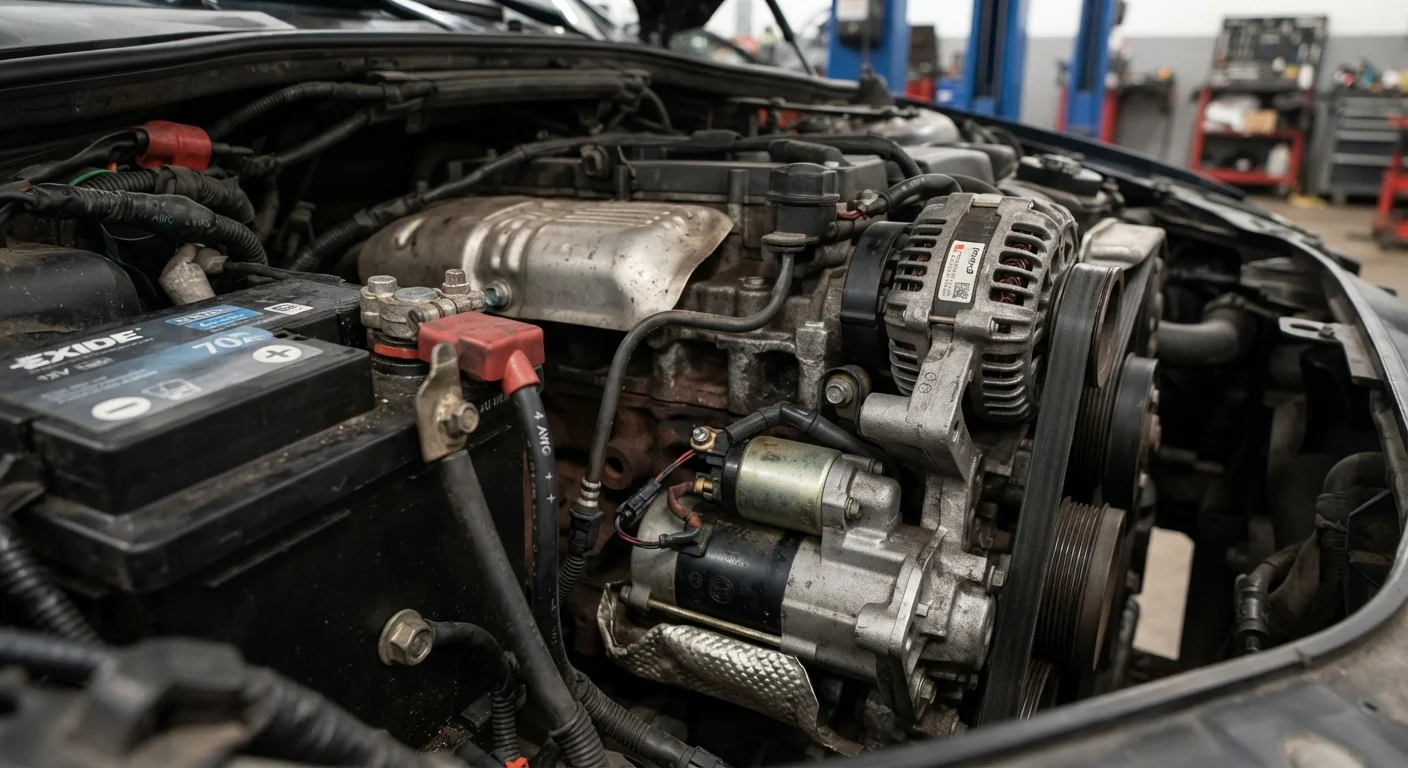
Once you've made a purchase, understanding the vehicle's specs is just the beginning. Knowing what's under the hood matters just as much - see our plain-English guide for first-time car owners for a practical walkthrough of essential components and routine checks every driver should know.
If the label raises questions you can't answer on the spot, photograph it before leaving the dealership. Every piece of data on it is yours to keep and review at your own pace.