
What We Mean by Fixed vs. Flexible
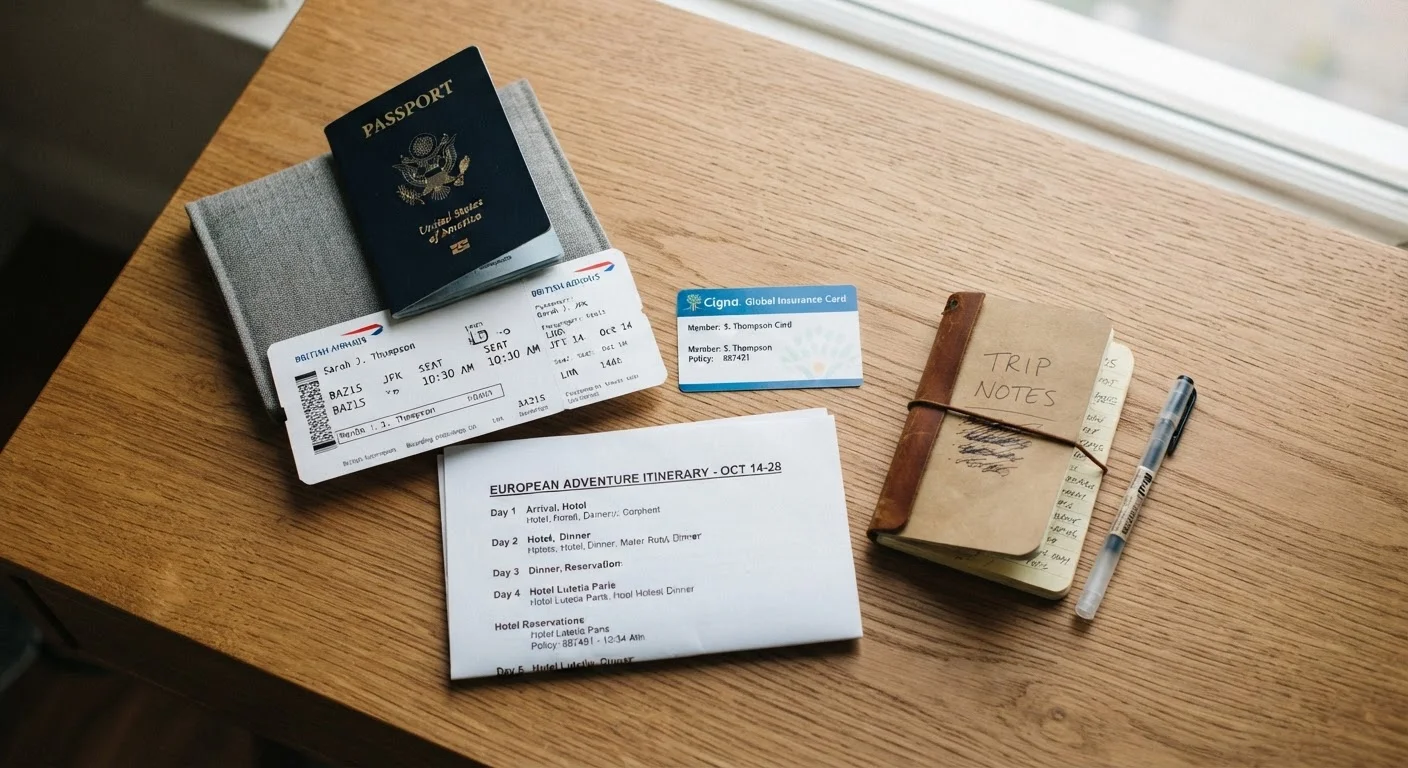
A fixed itinerary means your days are largely pre-planned: hotels booked, tours reserved, transit tickets purchased, and a schedule that moves you from point A to point B with minimal improvisation. A flexible itinerary, by contrast, anchors only the essentials - usually flights in and out - and leaves the middle open for decisions made on the ground.
Neither is inherently better. Both reflect real trade-offs between certainty and freedom, efficiency and serendipity. The goal is matching your structure to your trip - not defaulting to one style out of habit or anxiety.
For more perspective on foundational planning decisions, see our guide to road trips vs. flying, which walks through how your mode of travel also shapes how structured your trip needs to be.
When a Fixed Itinerary Makes Sense
Some destinations practically demand advance planning. Popular national parks with permit systems, cities with limited accommodation, or bucket-list experiences that sell out months ahead all reward travelers who book early and plan precisely. If you're visiting somewhere like the Amalfi Coast in peak summer, showing up without reservations is a gamble with steep odds.
Fixed itineraries also shine when you're traveling with a large group or when your vacation time is limited. When six people need to agree on where to eat dinner every night, pre-set plans eliminate friction. When you only have eight days and want to cover multiple cities, a schedule keeps you on track.
| Fixed Itinerary | Flexible Itinerary | |
|---|---|---|
| Advance planning required | High - most bookings made before departure | Low - only essentials pre-booked |
| Best for | First-timers, large groups, limited time | Solo travelers, repeat visitors, long trips |
| Handles surprises | Poorly - changes can cascade | Well - built-in buffer for the unexpected |
| Decision fatigue | Low during trip, high before | Low before trip, higher during |
| Risk of over-scheduling | High if not carefully paced | Low by design |
| Spontaneity | Limited | High |
The downside? Rigidity can become exhausting. If every hour is accounted for, there's no room to linger at a market you love, sleep in after a long night, or take a local's spontaneous recommendation. Watch out for common over-scheduling traps that quietly derail even the most well-intentioned itineraries.
When a Flexible Itinerary Works Better
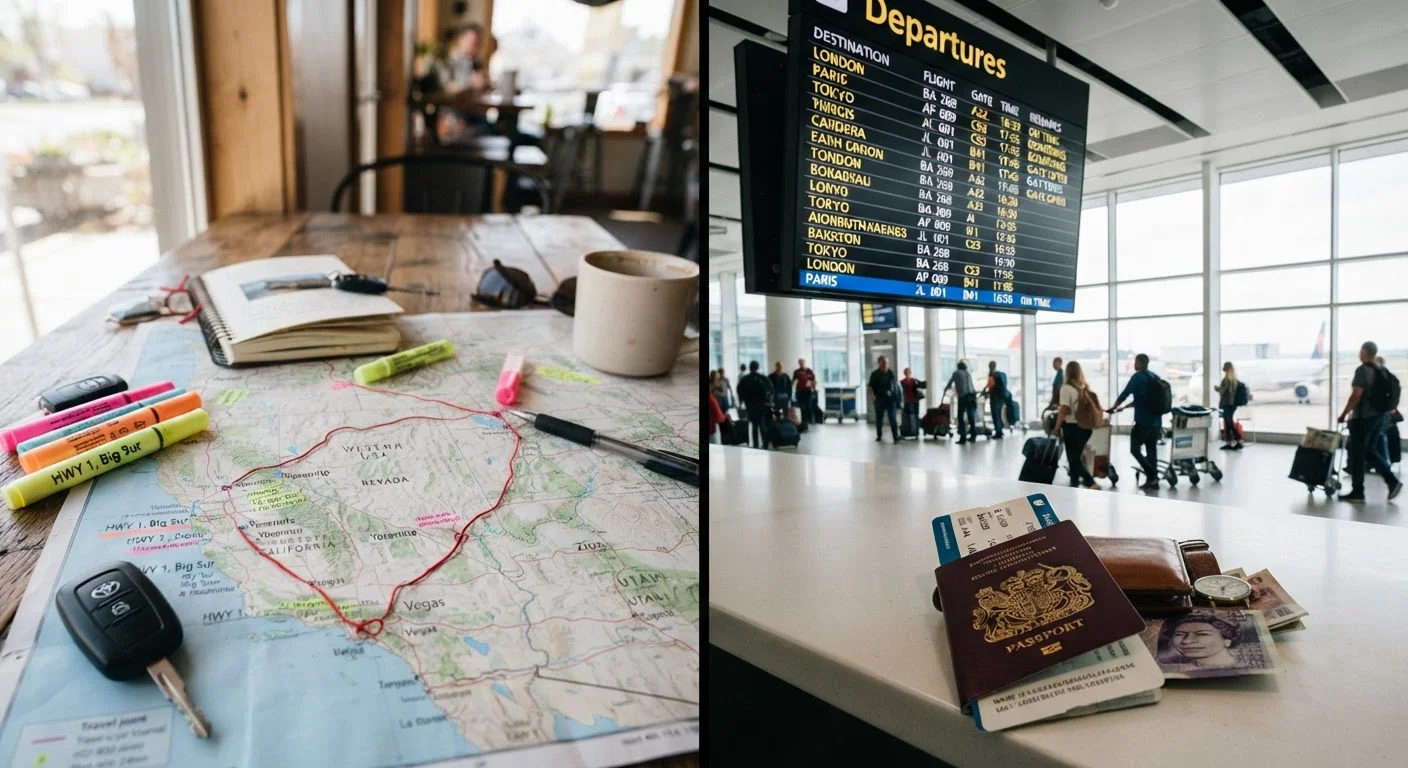
Open-ended travel rewards people who are comfortable with uncertainty and energized by discovery. Solo travelers, experienced travelers revisiting a region, and those on extended trips often find that a loose framework - a city per week, say, with no fixed daily plan - produces the most memorable moments.
Flexibility also matters when your destination is unpredictable. Weather-dependent adventures (hiking, diving, surfing) are best planned day-by-day based on conditions. Road trips through rural areas benefit from the freedom to stop when something catches your eye rather than racing to the next checkpoint.
That said, "flexible" doesn't mean unprepared. Knowing which neighborhoods to base yourself in, what the realistic transit times are, and which experiences genuinely require advance booking - even within a loose framework - is still essential homework. Your travel style is also shaped by whether you're going it alone; our solo vs. group travel breakdown explores how that choice affects planning needs.
The Hybrid Approach Most Travelers Land On
In practice, most thoughtful travelers use a hybrid: firm on the logistics that are hard to recover from (flights, first and last night hotels, one or two high-demand experiences), and loose on everything in between. Think of it as building a scaffold - the structural pieces are fixed, but you fill in the interior as you go.
A practical version of this might look like: all accommodation booked for nights one through three, nothing booked for nights four through seven except the return flight, with a shortlist of two or three places you'd consider staying. You've done the research but preserved the freedom.
Build in at Least One Unscheduled Day
Even on tightly planned trips, leaving one full day without commitments pays dividends. It absorbs delays, gives you time to revisit a place you loved, or simply lets you rest. Travelers who build in buffer time consistently report feeling less rushed and more satisfied with their trips overall.
For inspiration on destinations where each planning style particularly shines, browse our destination guides or dive into our travel tips hub for logistics and on-the-ground advice that applies regardless of how structured your trip is.