The Core Difference: Control vs. Companionship
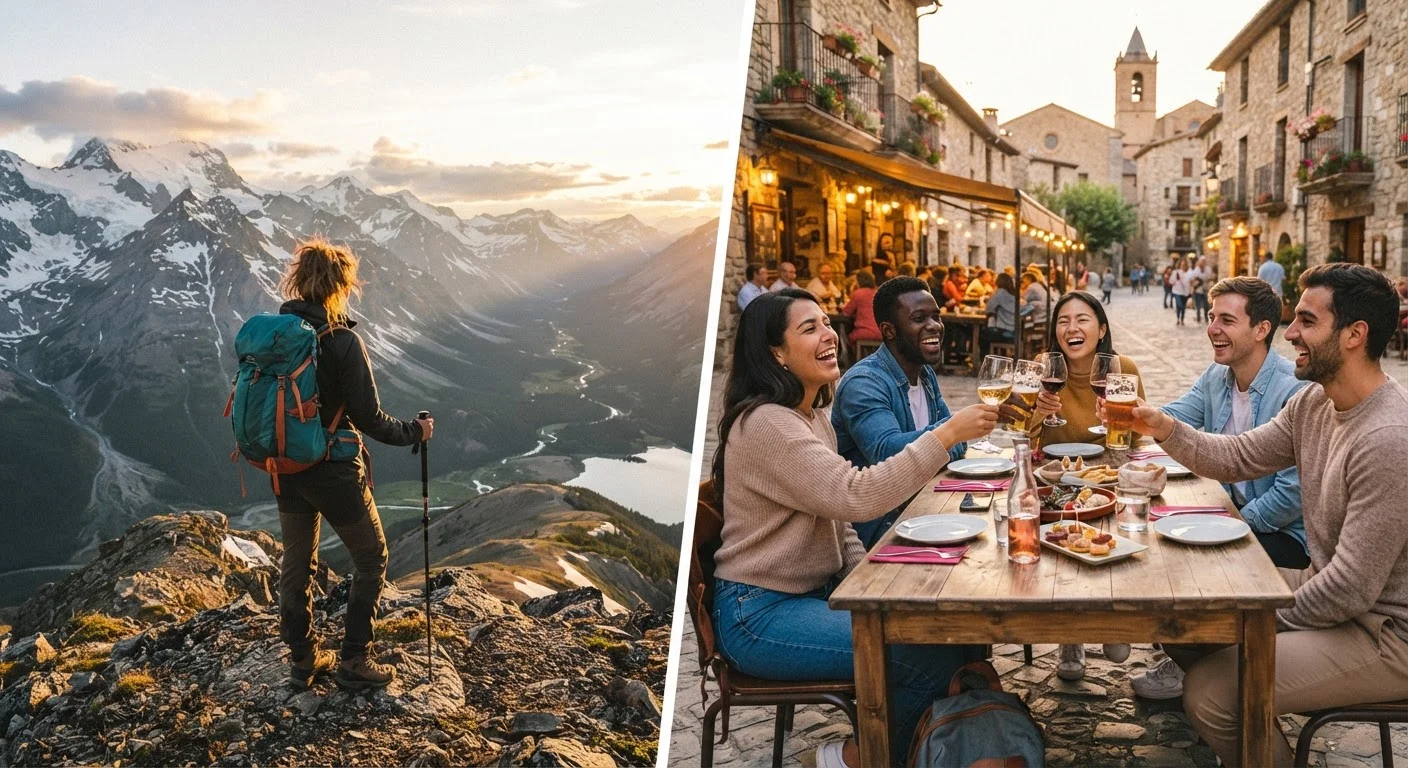
At its heart, the solo vs. group travel debate is really about what you value most on a given trip. Solo travel hands you the itinerary - every meal, detour, and rest stop is your call. Group travel trades some of that control for something else: people to share the experience with, from the highs to the logistical headaches.
Neither is a compromise. Both are legitimate approaches that work brilliantly in the right context. The key is being honest about what you actually need from a trip - not what sounds more adventurous or socially acceptable. For a deeper look at how structure affects the experience, see our guide on flexible vs. fixed itineraries.
Complete flexibility over your itinerary and pace
Solo travelers can change plans instantly - sleeping in, skipping a stop, or extending a stay - without negotiating with anyone else. This freedom is especially valuable in destinations where spontaneous discoveries often outshine planned attractions.
Stronger opportunities for authentic local connection
Traveling alone makes you more approachable to locals and fellow travelers alike. Without the social buffer of a group, solo travelers often have deeper, more memorable interactions with people they meet along the way.
Meaningful personal growth and self-reliance
Navigating an unfamiliar place on your own builds confidence and problem-solving skills that genuinely carry over into everyday life. Many solo travelers describe their trips as among their most formative personal experiences.
No compromise on interests or preferences
From the food you eat to the hours you keep, every decision reflects your own tastes. This is particularly valuable for niche interests - spending a full day at a contemporary art museum, for example, without feeling like you're holding anyone back.
What Solo Travel Does Well - and Where It Struggles
Solo travel is extraordinarily freeing. You move at your own pace, change plans on a whim, and spend as much time as you want at that one museum or roadside diner. There's also a social paradox worth noting: many solo travelers find they meet more locals and fellow travelers precisely because they're approachable and not insulated inside a group bubble.
That said, solo travel isn't effortless. Costs are harder to offset - you pay full price for a hotel room that a pair could split. Safety requires more deliberate attention, particularly in unfamiliar destinations. And some experiences - a multi-course dinner, a guided group hike, a sunset boat tour - simply hit differently with someone alongside you. If you do go solo, building a solid safety foundation matters. Our article on solo travel safety practices covers the fundamentals that experienced independent travelers rely on.
Higher per-person costs with no one to split expenses
Solo travelers pay single-occupancy rates on accommodations and can't split transport costs, which can add up quickly. Some group tours also charge a "single supplement" that meaningfully raises the solo price.
Greater safety responsibility falls entirely on you
Without a travel companion to watch your back, solo travelers must be more deliberate about situational awareness, document security, and emergency planning - especially in unfamiliar destinations or regions with elevated risk.
Some experiences feel incomplete without shared company
Celebratory dinners, scenic overlooks, or once-in-a-lifetime moments can carry a tinge of loneliness when experienced entirely alone. The absence of shared memory is a real emotional trade-off for some travelers.
More planning and decision fatigue falls on one person
Every booking, navigation decision, and problem that arises is yours alone to handle. Over a long solo trip, this cognitive load can become tiring in ways that traveling with others naturally distributes.
Group Travel: Real Benefits Beyond Just Company
Traveling with others can unlock things solo travel can't easily replicate. Shared accommodation costs, group tour rates, and split transportation expenses can make certain destinations more financially accessible. Beyond budget, there's genuine safety-in-numbers logic - navigating an unfamiliar city or a language barrier feels less daunting with others around.
Group dynamics also add accountability. When someone in your group has already researched the best local food market or negotiated a driver, you benefit without doing the legwork. Organized group tours take this further, bundling logistics so travelers can focus on the experience rather than the planning. The trade-off, of course, is less spontaneity - you're working around schedules, preferences, and energy levels that aren't always your own.
25%+
Single-occupancy hotel surcharge above double rate
Industry data consistently shows solo travelers pay a significant premium for the same hotel room that couples split, often ranging from 20-50% more per night depending on the property.
72%
Solo travelers who say trips improved their confidence
A widely cited survey by the Solo Travel Society found a large majority of solo travelers reported increased self-confidence and decision-making skills following independent travel experiences.
Destination type matters here too. Certain places - remote trekking routes, destinations with significant language barriers, or culturally complex regions - lend themselves naturally to group formats. Others, like solo-friendly cities with strong traveler infrastructure, are easier to navigate independently. For inspiration on matching your travel style to a destination, explore our destinations hub.
Making the Call: Questions Worth Asking Yourself
Before defaulting to a habit, run through a few honest questions. Is this a trip where spontaneity matters - where you'd be frustrated by a 7 p.m. dinner reservation you didn't choose? Or is it a trip where having a plan and people around would reduce anxiety and increase enjoyment? Are you visiting somewhere you've never been, where local knowledge from a guide or group could genuinely add value?
Also consider how you recharge. Solo travel offers real solitude - time to process, reflect, and move at your own rhythm. If you find group energy draining after a few days, a two-week group tour might wear you down even in a dream destination. On the other hand, if you've ever felt the hollow sting of an incredible view with no one to share it with, solo travel might leave you wanting. The same dynamic plays out in fitness contexts - as our piece on group vs. solo exercise explores, the question of company vs. independence shows up across many areas of life.
Finally, factor in practical logistics. How you get there shapes the experience too - see our breakdown of road trips vs. flying for a sense of how transportation choices intersect with travel style.
A Hybrid Approach Is Always on the Table
You don't have to commit entirely to one style. Many experienced travelers book solo flights and accommodations but join group day tours, walking tours, or activity-based excursions at the destination. This blends independence with structured social experiences and can offer the best of both worlds. Platforms and local tourism offices in most destinations offer half-day or full-day group experiences that solo travelers can join without committing to a fully packaged itinerary.