Why Solo Travel Safety Is a Mindset, Not a Checklist
Solo travel is one of the most rewarding ways to see the world - and one of the most misunderstood in terms of risk. The reality is that most solo trips unfold without serious incident. But experienced solo travelers don't leave that outcome purely to luck. They develop habits, build routines, and cultivate awareness that quietly stack the odds in their favor, regardless of the destination.
The practices that hold up across wildly different places share a common thread: they're proactive rather than reactive. They don't require special gear or a background in risk management. They require consistency and a genuine respect for the unpredictable nature of travel. Before you head out, it's worth running through the pre-trip checklist every traveler should run through to make sure the basics are covered before you even reach the airport.
Core Practices Experienced Solo Travelers Swear By
These aren't hypothetical tips - they're the habits that seasoned solo travelers repeat trip after trip because they genuinely work.
Store digital copies of all critical documents in a secure cloud location before departure.
Losing your passport or having it stolen is far less catastrophic when you have a retrievable digital copy. Cloud storage means you can access copies from any internet-connected device, even if your phone and bag are both gone. It also speeds up replacement processes at embassies and consulates significantly.
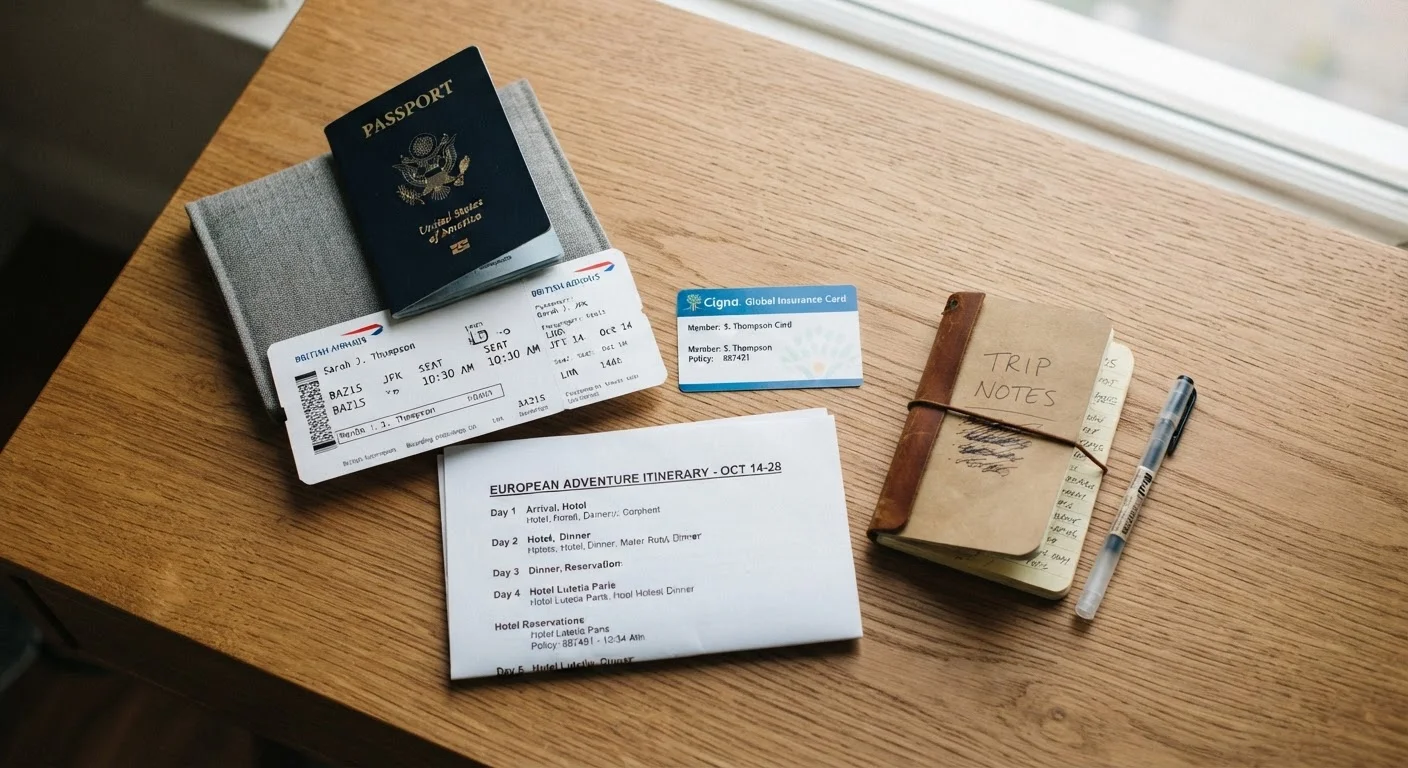
Share a detailed itinerary with at least one person you trust back home.
Someone who knows your general whereabouts can raise an alarm if they don't hear from you. This simple step has helped locate travelers in genuine distress and gives you a psychological anchor of connection during long solo stretches.
Research local emergency numbers and the nearest U.S. consulate or embassy before arriving.
In a genuine emergency, you won't have the bandwidth to search for this information. Knowing where to turn - and having a number saved in your phone - removes a critical delay in moments that count.
Practice deliberate situational awareness in new environments without tipping into anxiety.
Situational awareness means noticing exits, reading the energy of a space, and trusting when something feels off - not constant vigilance. Travelers who develop this skill are faster to recognize and extract themselves from uncomfortable or potentially risky situations.
Keep a small amount of local cash accessible separately from your main wallet.
If your bag or wallet is lost or stolen, having a backup amount of cash in a money belt or hidden pocket means you can still pay for transport, food, or a phone call. It's a low-effort buffer against a very stressful scenario.
Quick Actions You Can Take Right Now
You don't have to wait until departure day to start building safer solo travel habits. Several of the most impactful steps can be done from your couch, weeks before you leave.
For a deeper look at protecting your physical documents and finances while on the road, see our guide on protecting your passport, cards, and cash while traveling. And if you want a full pre-departure framework, the complete pre-trip checklist covers everything from health prep to digital essentials.
This article provides general travel safety information for educational purposes. Always verify entry requirements, local laws, and safety conditions with official government sources and your country's embassy or consulate before traveling.