Why Document and Financial Security Deserves Real Attention
Losing a passport abroad isn't just an inconvenience - it can derail your entire trip for days. Losing a card to a skimmer can trigger fraudulent charges that take weeks to resolve. Yet a few deliberate habits, built into your routine before and during travel, dramatically reduce the odds of either happening. This isn't about paranoia; it's about traveling with the kind of quiet confidence that comes from being genuinely prepared.
For a broader pre-departure foundation, see the pre-trip checklist every traveler should run through, which covers passport expiration dates, travel insurance, and other easy-to-forget details.
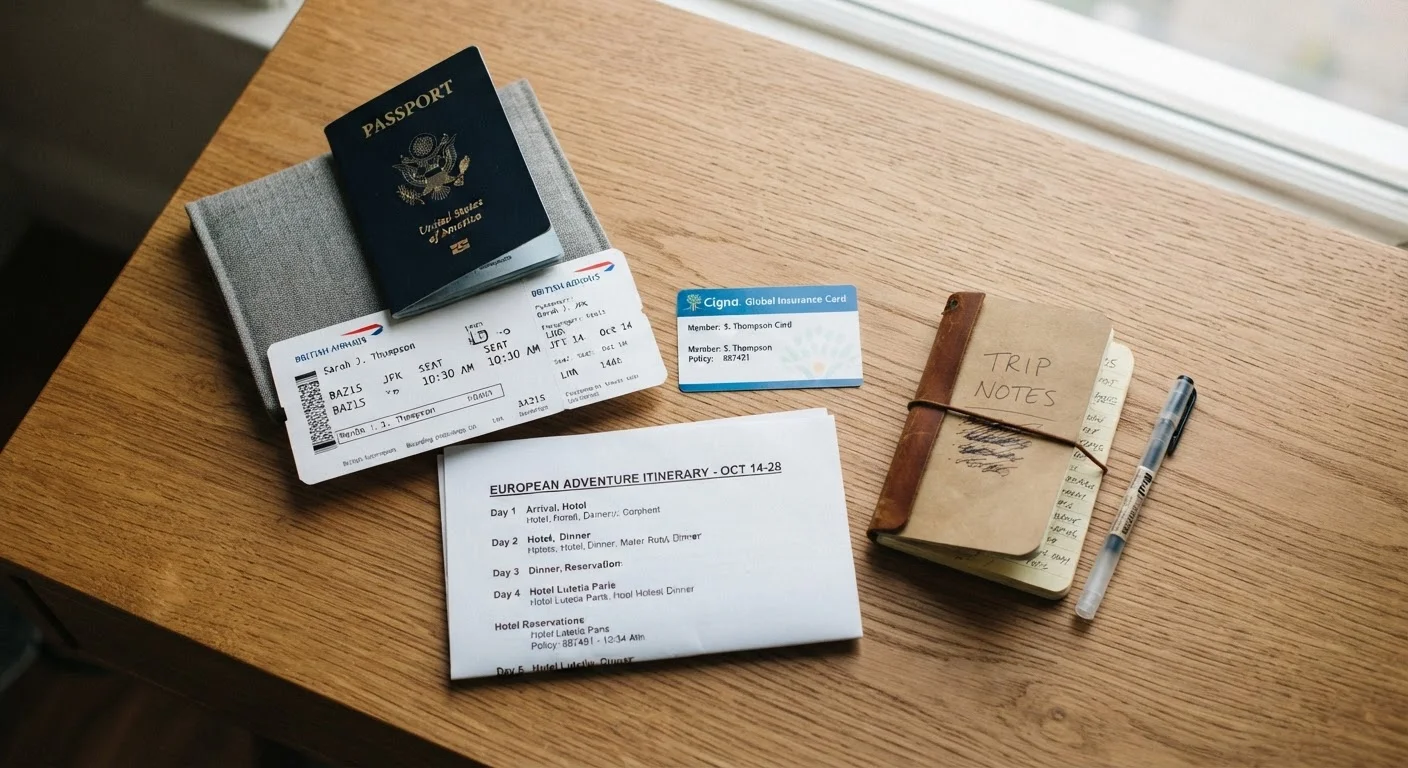
Create and store digital backups of every critical document before departure.
If your passport or insurance card is lost or stolen, a digital copy stored in a secure, password-protected cloud account gives authorities and consular staff something to work with immediately. It also speeds up replacement processes significantly. Without any backup, you're starting from zero in a stressful, time-pressured situation.
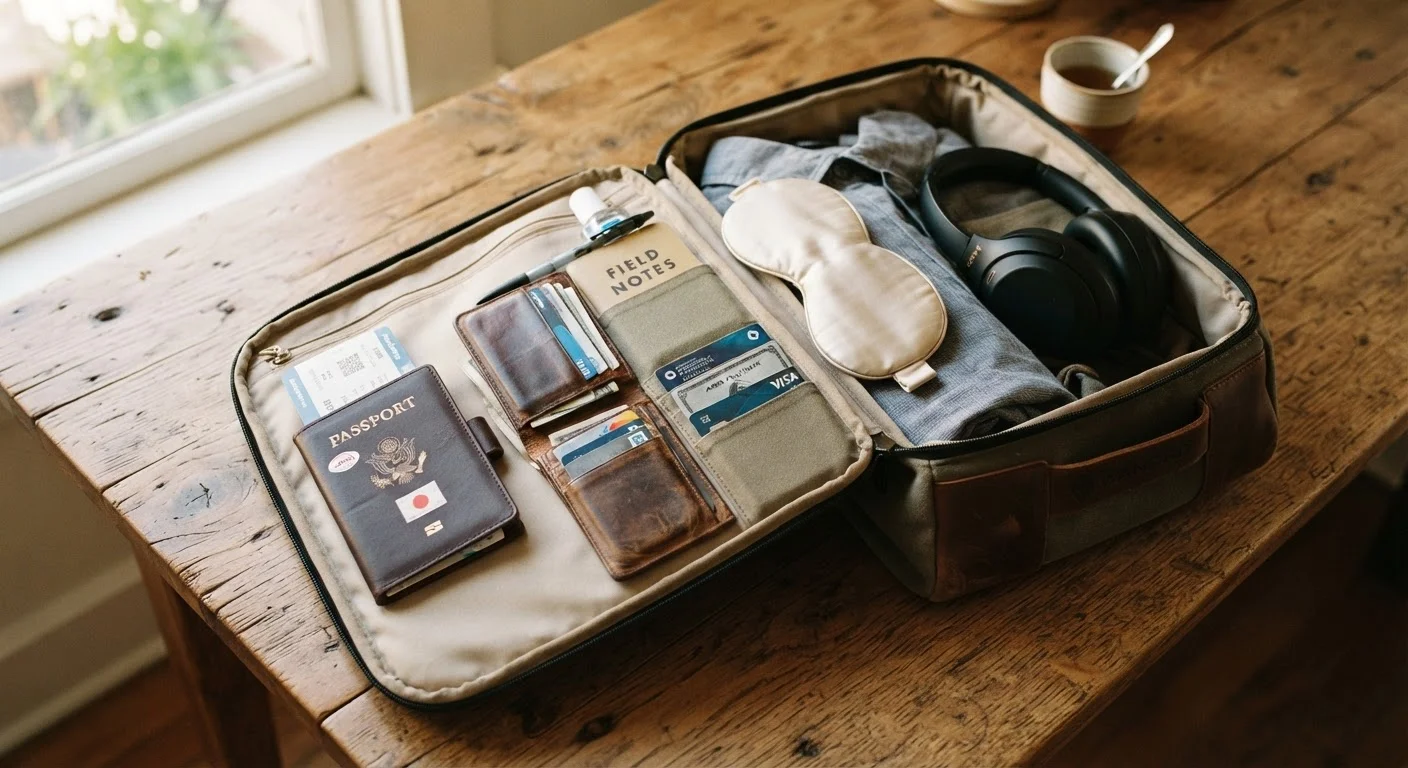
Split your cash and cards across at least two separate locations on your person or in your bag.
Keeping everything in one wallet means a single theft or loss wipes out all your access to funds. Distributing resources across a money belt, a day bag, and a hotel safe limits the damage from any one incident. Most experienced travelers keep only what they expect to spend that day in an easily accessible pocket.
Notify your bank and credit card issuers of your travel dates and destinations before you leave.
Banks increasingly flag foreign transactions as suspicious and freeze cards without warning if they haven't been told you're traveling. Getting frozen out of your account in a foreign country - especially outside business hours - is a serious logistical problem. A quick call or app notification before departure takes minutes and prevents that scenario.
Use an RFID-blocking wallet or sleeve for contactless-enabled cards and passports.
Modern credit cards, debit cards, and biometric passports emit radio signals that can theoretically be read by nearby scanning devices in crowded spaces. While documented cases of RFID skimming remain relatively rare, the protective measure costs very little and adds a meaningful layer of peace of mind in high-traffic tourist areas.
Store your physical passport securely at your accommodation when you don't need it for official purposes.
Carrying your passport everywhere exposes it to loss, theft, or damage every time you're out. In most destinations, a certified photocopy or a digital image on your phone is sufficient for everyday identification at bars, restaurants, or casual checkpoints - though always verify the legal requirements for your specific destination. Leaving the original locked away reduces daily risk substantially.
Memorize or securely store emergency contact numbers for your bank and the nearest U.S. embassy or consulate.
In a genuine theft or loss emergency, you need to act fast - canceling cards within minutes rather than hours limits fraudulent charges. If you can't access your phone or the internet, having those numbers written on paper in a separate location from your wallet means you can still make the calls you need from a hotel lobby phone.
Smarter Habits for Protecting What Matters Most
The strategies below aren't theoretical - they're the approaches experienced travelers return to trip after trip because they hold up across destinations and circumstances.
For a deeper look at what documents to bring in the first place, the guide on documents you should never leave home without is a useful companion read.
Staying Financially Aware Throughout Your Trip
Document security and financial security are two sides of the same coin. Once you're on the ground, small daily habits matter as much as any gear or prep work. Use ATMs attached to banks rather than standalone machines in tourist areas, which are more commonly targeted with skimming devices. Pay attention to whether a card reader looks tampered with - a loose or oddly bulky card slot is worth noticing. When paying at restaurants or markets, try to keep your card in sight during the transaction.
Spending habits abroad carry their own risks too. The habits that prevent overspending abroad guide covers traps like dynamic currency conversion and how to sidestep them. Solo travelers, in particular, benefit from layering financial awareness onto their broader safety practices - the solo travel safety practices article outlines those fundamentals clearly.
A secure, connected device also plays a role in financial safety - whether you're checking your bank account for suspicious activity or accessing emergency contact numbers. Consider how you'll stay connected; international roaming, local SIMs, and portable Wi-Fi each come with trade-offs worth understanding before you land.
This article provides general travel information and is not a substitute for personalized legal, financial, or security advice. Always verify entry requirements, embassy contacts, and emergency procedures with official government sources before traveling.