Why the Island You Pick Matters More Than You Think
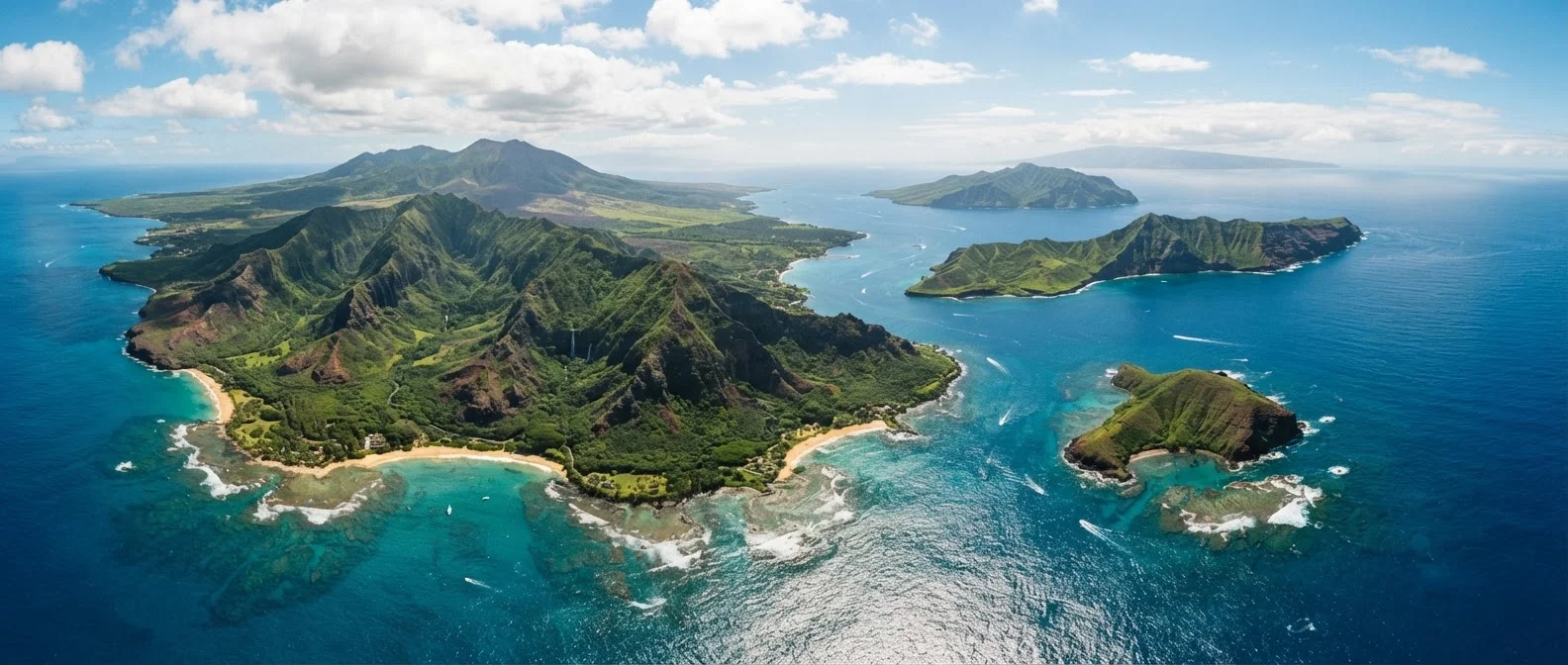
Hawaii is one destination with four very different personalities. Lumping Oahu, Maui, Kauai, and the Big Island together because they share a state is a bit like saying New York City and rural Vermont are interchangeable because they're both in the Northeast. The terrain, crowd levels, infrastructure, and overall vibe vary dramatically - and choosing poorly can leave you feeling like you ended up on someone else's vacation.
If you're still deciding whether Hawaii fits your broader travel preferences, it's worth reading through our breakdown of beach versus mountain destinations first. Once you know Hawaii is the call, the island choice is where the real planning begins.
| Oahu | Maui | Kauai | The Big Island | |
|---|---|---|---|---|
| Best for | First-timers, city lovers | Couples, families, adventurers | Nature seekers, hikers | Explorers, stargazers |
| Crowd level | High | Moderate-High | Low-Moderate | Low-Moderate |
| Resort infrastructure | Extensive | Strong | Limited | Moderate |
| Outdoor adventure | Moderate | High | Very High | Very High |
| Nightlife & dining | Best of all islands | Good | Limited | Limited |
| Getting around | Bus + car options | Rental car needed | Rental car essential | Rental car essential |
| Signature experience | Pearl Harbor, Waikiki | Road to Hana, Haleakalā | Na Pali Coast | Volcanoes National Park |
Oahu: The Island That Does Everything
Oahu is home to Honolulu, Waikiki, and roughly 70% of Hawaii's total population - and that density translates into unmatched convenience. You'll find the widest range of lodging, the most direct flight options from mainland US cities, and genuine cultural depth: Pearl Harbor, the Bishop Museum, and the historic Iolani Palace all sit here. Waikiki's beachfront is heavily developed and crowded, but it's also walkable, beginner-friendly for surfing, and full of energy after dark.
Oahu works especially well for first-time visitors, travelers who like having options at every turn, and families where different members want different things. The North Shore offers a quieter, surf-culture counterpoint to the busy south. The trade-off: if seclusion is your goal, Oahu will frustrate you.
Maui: The Well-Rounded Crowd-Pleaser
Maui consistently draws visitors for good reason: it threads the needle between resort polish and genuine outdoor adventure better than any other Hawaiian island. The Road to Hana is one of America's most celebrated coastal drives. Haleakalā National Park offers crater hikes and sunrise views that are genuinely otherworldly. Meanwhile, Wailea's resort corridor delivers the kind of calm, upscale beach experience that makes it a perennial honeymoon destination.
Whale watching (typically December through April) draws seasonal visitors, as does world-class windsurfing on the north shore near Ho'okipa. Maui rewards travelers who want adventure during the day and comfort at night. It's less frenetic than Oahu but more visitor-oriented than Kauai - a genuinely flexible middle ground for couples, families, and solo travelers alike. Speaking of solo travel, if you're weighing how to structure your trip, our guide on solo versus group travel covers the trade-offs honestly.
Kauai: Slow Down, Go Deep
Kauai is the oldest of the main Hawaiian islands geologically, and it shows - the Na Pali Coast's dramatic sea cliffs and Waimea Canyon's layered red rock are among the most visually striking landscapes in the entire US. There are no traffic lights, no high-rise hotels, and very little of the manufactured resort energy found elsewhere. That's not a limitation; it's the point.
Travelers who thrive on Kauai tend to be hikers, kayakers, photographers, or people who simply want to exhale. The Kalalau Trail along the Na Pali Coast is serious backcountry terrain and requires permits for overnight stays - check current state park requirements before you plan around it. Getting around requires a rental car, and some of the island's most spectacular spots involve muddy trails or ocean access that requires judgment about conditions. Kauai is genuinely quieter and slower, and not every traveler finds that relaxing.
The Big Island: Maximum Contrast
Hawaii Island (commonly called the Big Island to avoid confusion with the state) is roughly the size of Connecticut - and it spans 11 of the world's 13 climate zones. You can stand in snow near the summit of Mauna Kea and be on a black-sand beach within a few hours. Hawaiʻi Volcanoes National Park, where active lava activity has historically shaped the landscape (always verify current conditions with the National Park Service before visiting), is unlike anything on the other islands.
The Big Island rewards curious, independent-minded travelers who don't need a resort infrastructure to feel comfortable. Stargazing near the Mauna Kea Observatories is world-class, though visiting the summit area involves altitude considerations and road restrictions - check official guidelines. The island's size means you'll drive more than on the others, so factor that into your itinerary. If you're flying in from the mainland and weighing logistics, this look at flying versus road-tripping may help you think through the overall journey.