The Legal Framework: Authorized Categories Explained
The first thing to understand about American travel to Cuba is that the U.S. embargo never created a blanket ban on travel itself - it created a ban on tourism spending. Federal regulations require Americans to fit their trip into one of twelve authorized travel categories. The most commonly used ones include:
- Support for the Cuban people - arguably the broadest category, it requires travelers to engage in activities that directly benefit independent Cuban entrepreneurs, rather than state-run entities.
- Educational activities - participating in a structured program or academic exchange.
- Family visits - for those with close relatives who are Cuban nationals.
- Journalistic, religious, or humanitarian purposes - each with its own documentation expectations.
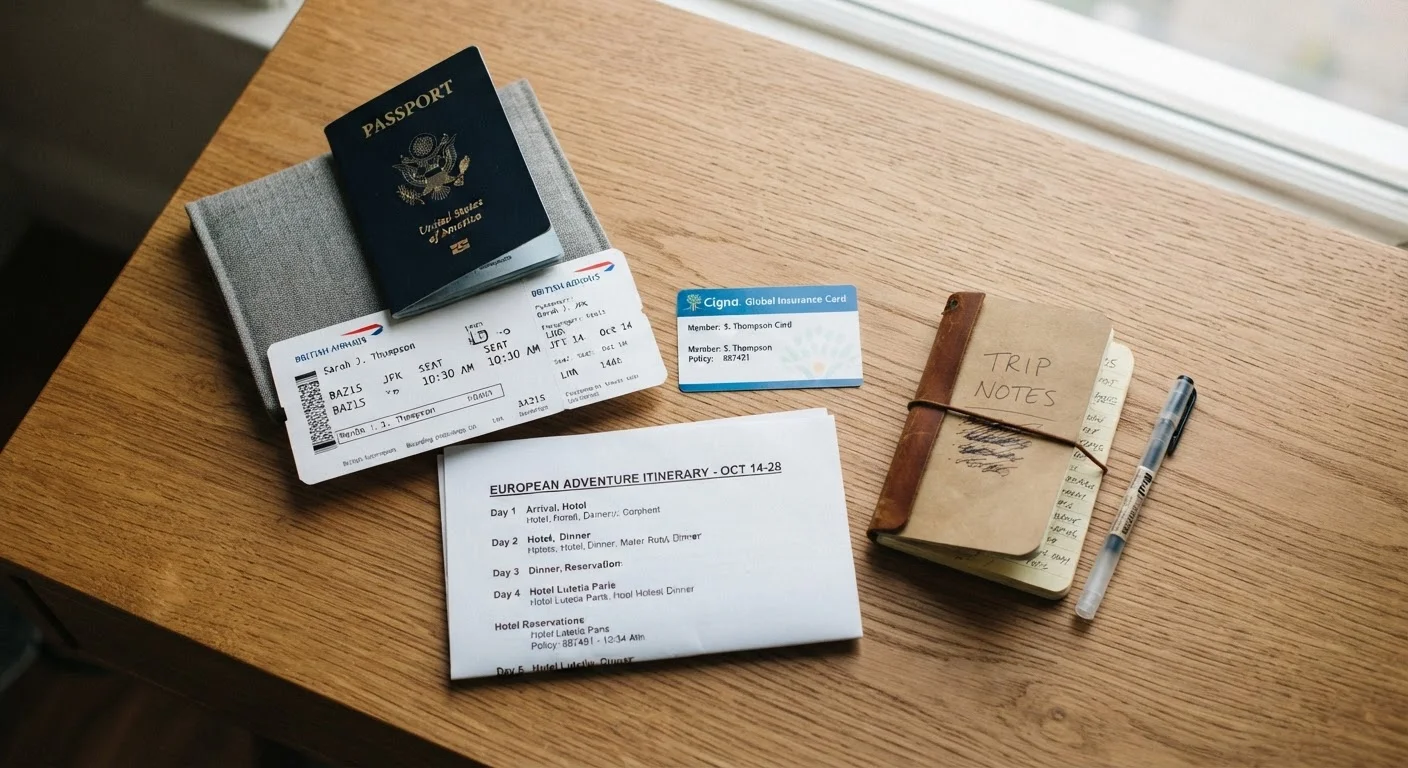
Travelers self-certify their category - there is no government application or pre-approval for most categories. However, the expectation is genuine compliance, not a checkbox. Keeping a basic record of your activities (receipts, itineraries, notes) is a practical safeguard. See the full long-haul trip planning guide for broader context on preparing documentation-heavy international travel.
Cash, Currency, and the Embargo's Practical Reality
No element of Cuba travel catches Americans more off guard than the complete absence of card payment infrastructure. U.S.-issued Visa, Mastercard, and American Express cards are blocked by the embargo - they will be declined at every ATM and point of sale on the island.
The practical result: you must arrive with all the cash you'll need for your entire stay. Many travelers bring euros or Canadian dollars, which can be exchanged at Cuban exchange offices (known as Cadecas) or larger hotels. Exchanging directly into Cuban pesos (CUP) gives you the local currency used across markets, paladares (private restaurants), and casas particulares (private homestays).
Bring More Cash Than You Think You Need
Underfunding a Cuba trip is a genuine risk. Factor in accommodations, meals, ground transport, tips, Wi-Fi cards, and a buffer for unexpected expenses - then bring more than you think you'll need. There is no way to access additional funds remotely once you're on the island.
Underfunding a Cuba trip is a genuine risk. Factor in accommodations, meals, ground transport, tips, Wi-Fi cards, and a buffer for unexpected expenses - then bring more than you think you'll need. There is no way to access additional funds remotely once you're on the island.
Getting There, Getting Around, and Staying Connected
Direct flights from several U.S. cities - including Miami, New York, and Tampa - operate to Havana's José Martí International Airport and a handful of other Cuban airports. Charter and commercial routes exist, though schedules and availability fluctuate. Confirm current flight options and entry requirements directly with airlines and through the U.S. State Department's Cuba travel page.
Inside Cuba, transportation options include tourist taxis (metered or negotiated), classic shared taxis called almendrones for shorter urban routes, interprovincial bus services, and rental cars (though rental availability can be unpredictable). For travelers venturing beyond Havana - to Trinidad, Viñales, or Santiago de Cuba - booking transport in advance is advisable.
On connectivity: internet is limited by design and infrastructure. State telecom provider ETECSA sells Wi-Fi scratch cards used at designated hotspots. Connections are slow and often congested. Travelers accustomed to constant connectivity - navigation apps, messaging, streaming - should adjust expectations significantly. Downloading offline maps before departure is a practical necessity.
This stands in notable contrast to destinations like Mexico or Southeast Asia, where infrastructure for travelers is considerably more developed. If you've read our overview on first-time travel in Southeast Asia, Cuba will feel considerably more logistically demanding by comparison.
What Daily Travel Actually Looks Like
For many Americans, Cuba is genuinely unlike anywhere else they've traveled. State-run hotels and restaurants coexist with a thriving private sector - and under the "support for the Cuban people" category, spending at private businesses (paladares, casas particulares, independent tour guides) is both encouraged and consistent with compliance goals.
Casas particulares - Cuba's version of a bed-and-breakfast, in private homes - are often the highlight of a stay. They're typically warmer, more personal, and more locally authentic than state hotels, and support Cuban families directly. Meals at paladares frequently outshine institutional alternatives in both quality and character.
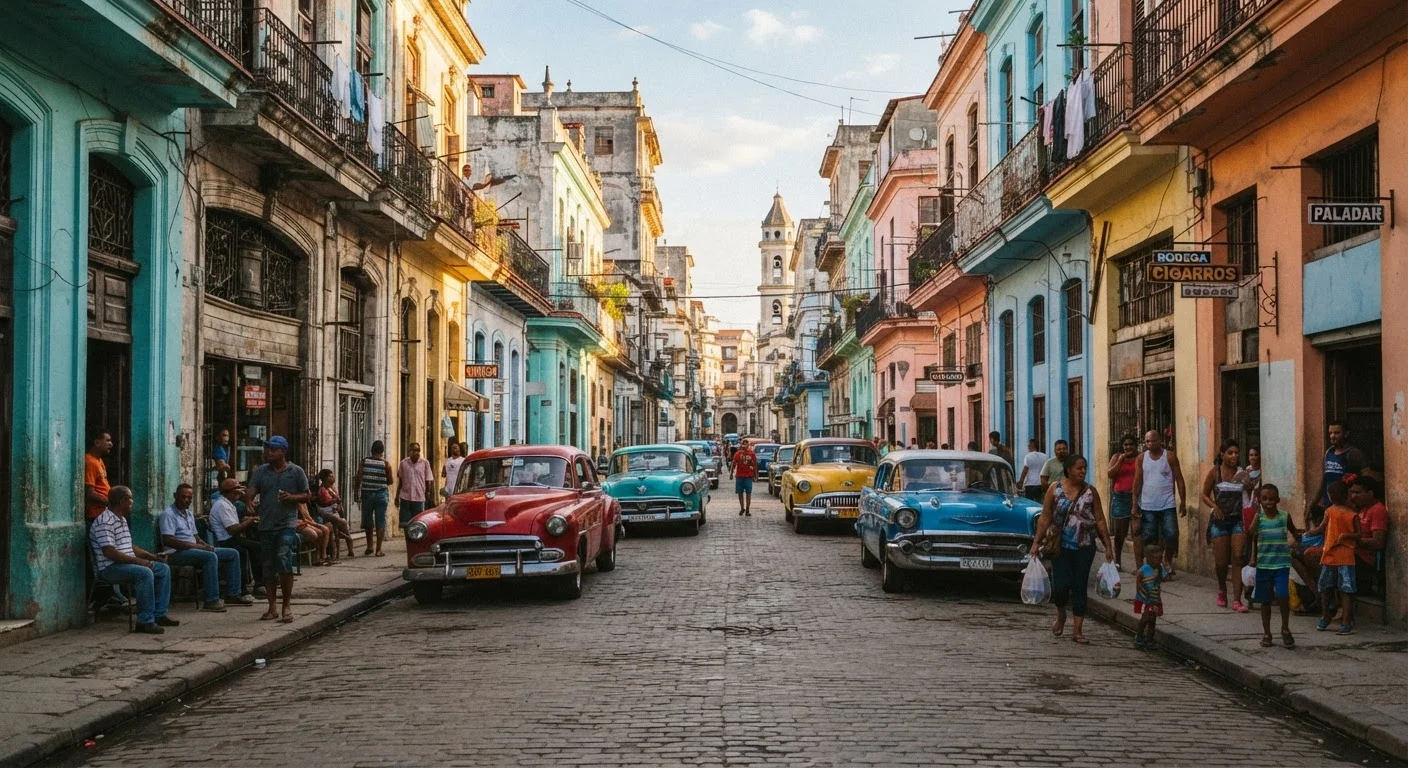
Havana alone could occupy a week - its layered colonial architecture, the Malecón waterfront, the art scene, and neighborhood life in Centro Habana and Vedado. Beyond the capital, the tobacco valleys of Viñales, the well-preserved colonial city of Trinidad, and the beaches of Varadero or Cayo Coco represent very different experiences of the same island.
Understanding local customs, navigating without reliable internet, and engaging respectfully with hosts and locals all require the same groundwork any thoughtful international trip demands. The common mistakes Americans make in nearby Mexico offer a useful parallel - assumptions about infrastructure and familiarity can undercut even well-intentioned travel.
This article provides general educational information about travel to Cuba for American citizens. Regulations governing U.S. travel to Cuba can change. Always verify current legal requirements with the U.S. Treasury's Office of Foreign Assets Control (OFAC), the U.S. State Department, and Cuban entry authorities before making any travel plans.