Why So Many Americans Misread Mexico Before They Arrive
Mexico is the most visited international destination for Americans, yet it remains one of the most misunderstood. A combination of media coverage that focuses on worst-case scenarios, resort marketing that flattens the country into a single beach experience, and casual conversations that pass on outdated assumptions all contribute to a distorted picture. The result? Travelers who either avoid Mexico unnecessarily or arrive with expectations so narrow they miss the actual country entirely.
These myths aren't harmless. They shape decisions about where to go, how to behave, and how much to spend - and they often lead to planning errors that color the whole trip. If you're thinking about visiting Mexico, or you've been before and want to go deeper, correcting these misconceptions is the most useful place to start. For a broader look at how myths derail trip planning in general, see travel myths that lead to bad planning decisions.
Myth
All of Mexico is equally dangerous, and travel advisories mean you shouldn't go at all.
Fact
Mexico's U.S. State Department advisories are issued at the state level and vary significantly - some states carry the same advisory level as parts of Europe.
The U.S. State Department issues travel advisories broken down by Mexican state, not for the country as a whole. Popular destinations like Mexico City, Oaxaca, Yucatán, and Quintana Roo often carry Level 2 advisories ("Exercise Normal Precautions" or "Exercise Increased Caution") - the same category applied to dozens of countries Americans visit without hesitation. Treating Mexico as uniformly dangerous ignores meaningful geographic distinctions and leads travelers to avoid regions that millions of people, including many Americans, visit safely each year. Always check current, state-specific advisories at travel.state.gov before any trip, and adjust plans based on actual conditions rather than generalized fear.
Myth
Staying at an all-inclusive resort means you've experienced Mexico.
Fact
Resort zones are purpose-built tourist enclaves - they offer convenience, but they are largely insulated from Mexican culture, cuisine, and daily life.
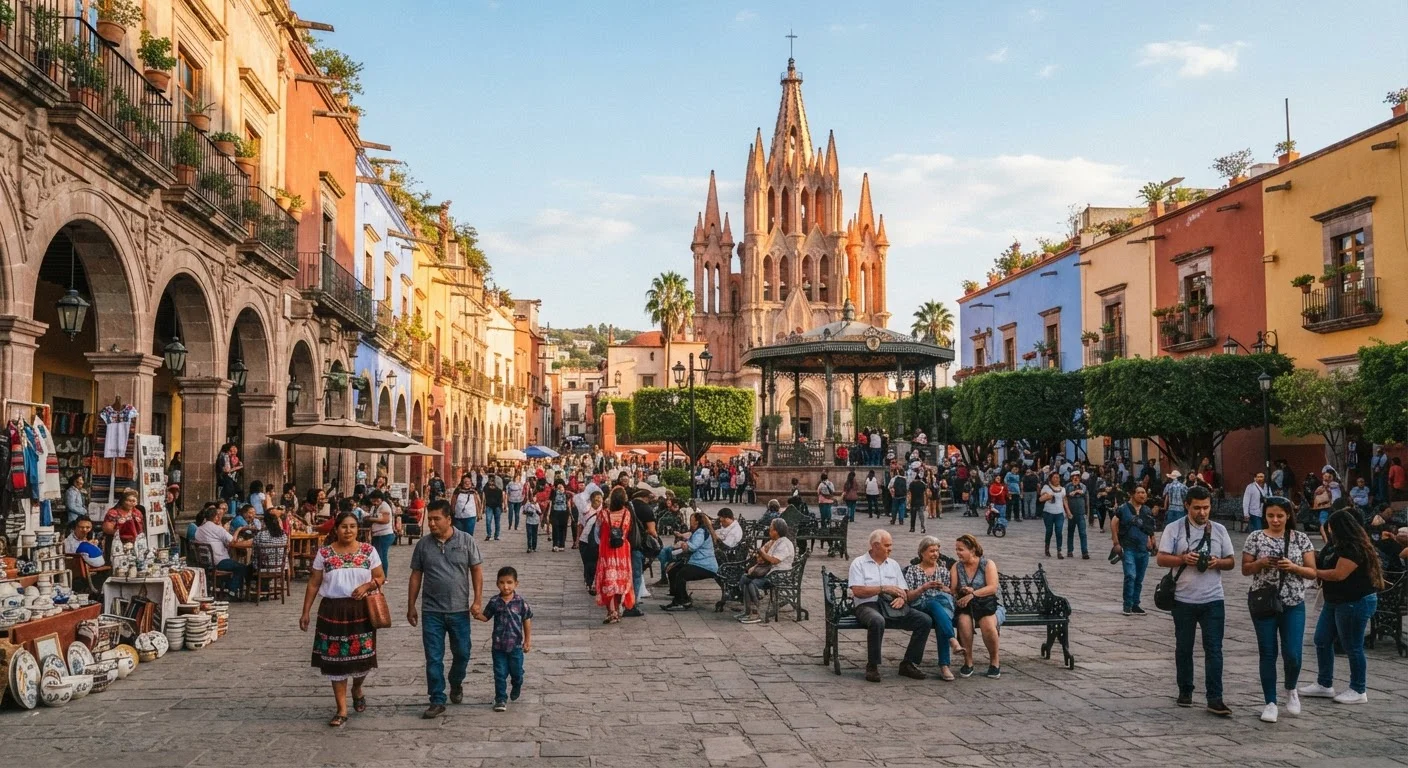
Places like the Hotel Zone in Cancún or Los Cabos marina are designed to keep visitors comfortable without requiring them to engage with their surroundings. That's a legitimate travel choice, but it's not an accurate representation of Mexico. The country has 31 states, dozens of UNESCO World Heritage Sites, distinct regional cuisines, ancient archaeological sites, and cities with thriving arts scenes. Travelers who leave the resort - even for a day trip to a nearby town - consistently report that it changes their entire understanding of where they are. Over-scheduling within a single resort area is one of the planning traps that quietly derail trips.
Myth
You can use U.S. dollars everywhere and don't need to bother with pesos.
Fact
While dollars are accepted in many tourist areas, paying in pesos almost always results in a better effective exchange rate.
Businesses that accept dollars set their own conversion rates, which are typically unfavorable to the customer. Markets, local restaurants, public transit, and smaller shops generally only accept pesos. Arriving with some local currency - obtained from an ATM after arrival or exchanged at a reputable casa de cambio - makes everyday transactions easier and usually cheaper. Relying entirely on dollars is a common way Americans quietly overpay throughout a trip.
Myth
You don't need to speak any Spanish - English is spoken everywhere tourists go.
Fact
English is common in major tourist zones, but basic Spanish improves your experience significantly even in those areas - and is essential beyond them.
In heavily touristed corridors, English-speaking staff are the norm at hotels and large restaurants. Step outside those contexts - into markets, smaller towns, public transit, or conversations with locals - and Spanish becomes genuinely necessary. More importantly, making an effort with the language, even imperfectly, changes how locals interact with you. A simple gracias, por favor, or ¿cuánto cuesta? signals respect and opens doors that staying in English-only mode closes. Learning even 20-30 practical phrases before you travel is time well spent.
Myth
The food will make you sick, so stick to resort restaurants and familiar chains.
Fact
Traveler's stomach is a real risk anywhere in the world, but avoiding all local food in Mexico is an overcorrection that has more to do with anxiety than evidence.
Digestive issues from travel can result from changes in diet, local water, or microbial differences - not from Mexican food being inherently unsafe. The practical approach is straightforward: drink bottled or filtered water, avoid ice of unknown origin, choose busy food stalls with fresh, cooked-to-order items, and wash hands consistently. Millions of international travelers eat street tacos, tlayudas, and market meals across Mexico without incident. Skipping local food entirely means missing one of the country's greatest cultural offerings - and Mexican cuisine's regional depth is genuinely extraordinary.
Myth
Mexico is cheap enough that you don't need to budget carefully.
Fact
Mexico can be very affordable, but tourist-area pricing, resort fees, and poor currency exchange habits can make a trip more expensive than expected.
The price gap between a meal at a local comedor and a meal at a resort-facing restaurant can be dramatic. Entrance fees at popular archaeological sites, guided tours, and curated experiences add up quickly. Dynamic currency conversion at ATMs and point-of-sale terminals quietly erodes value if you're not paying attention. Budgeting carefully - understanding what you're likely to spend where - applies in Mexico just as it does everywhere else. The assumption that Mexico is automatically inexpensive can lead to genuinely surprising bills by the end of a trip.
Practical Realities That Shape the Experience
Beyond the myths, there are a few practical realities that consistently catch first-time visitors off guard. Currency is one. While U.S. dollars are accepted at many tourist-facing businesses, you'll almost always get a worse exchange rate than if you used pesos. ATMs in cities and larger towns are widely available, but fees and daily withdrawal limits vary - it's worth researching your bank's international policies before you go.
Transportation is another area where expectations diverge from reality. Mexico has an extensive intercity bus network that is generally comfortable, affordable, and punctual on major routes. Domestic flights connect cities that would otherwise require long drives. Rideshare apps operate in most urban areas and are widely used by locals. The idea that getting around independently is difficult or unsafe is largely a myth for well-traveled corridors, though it's always sensible to research your specific route in advance.
Don't Confuse Familiarity With Safety Research
Traveling to a destination multiple times without incident doesn't mean all areas carry the same risk level. Conditions in specific regions can shift over time. Before each trip - even a return visit - review current State Department advisories for the specific Mexican states on your itinerary. Complacency based on past experience is one of the more common ways experienced travelers get caught off guard.
Finally, food safety concerns cause many Americans to eat only at their resort - a genuine shame. Street food culture in Mexico is rich, celebrated, and generally well-regarded. Choosing busy stalls with high turnover, freshly cooked items, and clean setups is the practical approach locals and experienced travelers use. Avoiding all street food means missing some of the most authentic and memorable meals the country offers. For more on managing your travel budget abroad - including where overspending quietly happens - the guide on why travelers overspend abroad is worth a read before you go.