Why Fiber Rarely Gets the Attention It Deserves
In a nutrition landscape saturated with protein powders, superfoods, and macro tracking, dietary fiber rarely generates excitement. It lacks the cultural cachet of omega-3s or the marketing muscle of protein. Yet according to data from the National Health and Nutrition Examination Survey, the average American consumes only about 16 grams of fiber per day - significantly below established dietary recommendations. This persistent shortfall has been dubbed the "fiber gap" by some nutrition researchers.
Part of the problem is that fiber doesn't come with a dramatic story. It doesn't build muscle visibly or provide immediate energy. Its benefits unfold quietly over time through better digestion, more stable blood sugar, and a healthier gut microbiome. When something works in the background, it's easy to forget it's working at all - until it isn't.
The shift toward processed foods has also played a major role. Refining grains to make them shelf-stable or softer in texture strips away much of the fiber they naturally contain. A diet built largely on packaged and fast foods will almost always fall short on fiber, regardless of calorie count.
What Fiber Actually Does in the Body
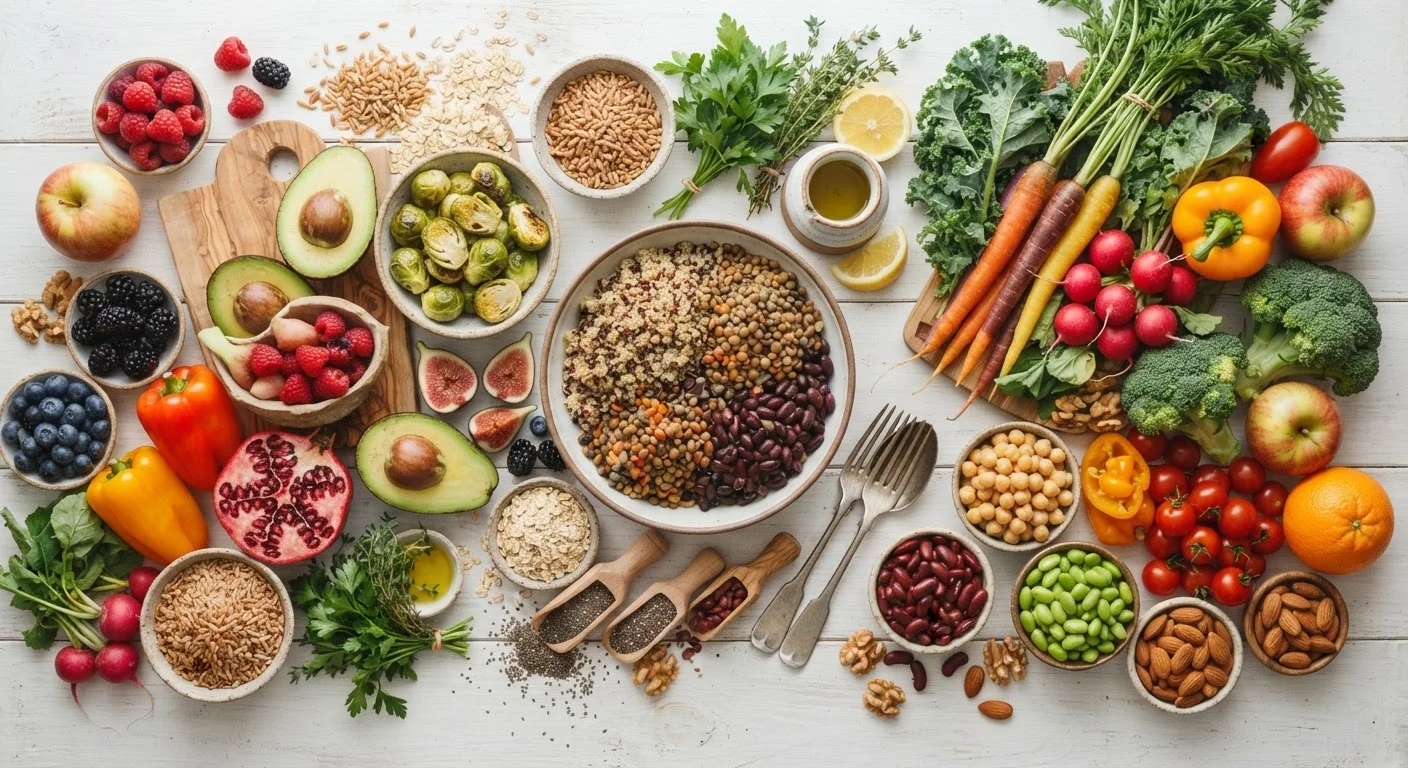
Fiber's effects extend well beyond keeping digestion regular, though that benefit alone is significant. Soluble fiber - found in oats, barley, apples, and legumes - slows the absorption of sugar into the bloodstream, which helps moderate post-meal blood glucose spikes. It also binds to cholesterol particles in the digestive tract and helps remove them before they can be absorbed, a mechanism linked to cardiovascular health.
Insoluble fiber, abundant in whole wheat, vegetables, and nuts, adds bulk to stool and speeds its transit through the colon. This reduces the time potentially harmful compounds spend in contact with intestinal walls - a factor researchers have studied in relation to colorectal health.
Perhaps most compelling is fiber's role in supporting the gut microbiome. Beneficial gut bacteria ferment certain types of fiber - sometimes called prebiotics - producing short-chain fatty acids that help maintain the intestinal lining and support immune function. A diverse, fiber-rich diet is consistently associated with a more diverse microbial community, which emerging research increasingly links to broader aspects of health.
16g
Average daily fiber intake in the U.S.
According to National Health and Nutrition Examination Survey data, most Americans consume roughly 16 grams of fiber per day - well below recommended levels.
25-38g
Recommended daily fiber intake for adults
U.S. dietary guidelines recommend approximately 25 grams per day for women and 38 grams per day for men, varying by age and caloric intake.
~95%
Americans not meeting fiber recommendations
Research published in the American Journal of Lifestyle Medicine estimated that approximately 95% of Americans fail to meet recommended daily fiber intake targets.
Signs of a Low-Fiber Diet
The effects of insufficient fiber can be subtle at first. Constipation or irregular bowel movements are the most commonly recognized symptoms. But a persistently low-fiber diet can also contribute to more rapid rises in blood sugar after meals, increased hunger between meals (since fiber slows digestion and prolongs satiety), and over time, less favorable cholesterol profiles.
Some people notice they feel uncomfortably full immediately after eating - then hungry again quickly - a pattern sometimes associated with meals low in both fiber and protein. If your diet leans heavily on refined grains, sugary snacks, and processed foods, it's worth reviewing whether other nutrient gaps may also be present.
This article is for general informational purposes only and is not a substitute for professional medical or dietary advice. Consult a qualified healthcare provider before making significant changes to your diet.
Practical Ways to Eat More Fiber
Closing the fiber gap doesn't require dramatic overhauls. The most effective approach is gradually replacing refined foods with whole-food alternatives - swapping white rice for brown rice or farro, choosing whole-grain bread, and reaching for an apple instead of apple juice. Legumes like lentils and chickpeas are among the most fiber-dense foods available and are also inexpensive and versatile.
Adding vegetables to meals you already make - stirring spinach into pasta, adding beans to soup - builds fiber without requiring entirely new cooking habits. Leaving edible skins on fruits and vegetables like potatoes and cucumbers also preserves fiber that's otherwise discarded.
One important caution: increase fiber gradually, especially if your current intake is low. A sudden large increase can cause bloating and gas as gut bacteria adjust. Pairing higher fiber intake with adequate water intake helps the digestive system process the added bulk comfortably.
When reading packaged foods, the Nutrition Facts label lists dietary fiber per serving - a useful tool if you're tracking your intake. Our guide to reading a nutrition facts label can help you interpret those numbers accurately. And if you've absorbed some popular nutrition messaging suggesting that all carbohydrates are problematic, it's worth noting that fiber - itself a carbohydrate - is one of the most consistently health-supportive nutrients in the food supply, as explored in our look at common nutrition myths.