What Sleep Deprivation Does to Your Brain
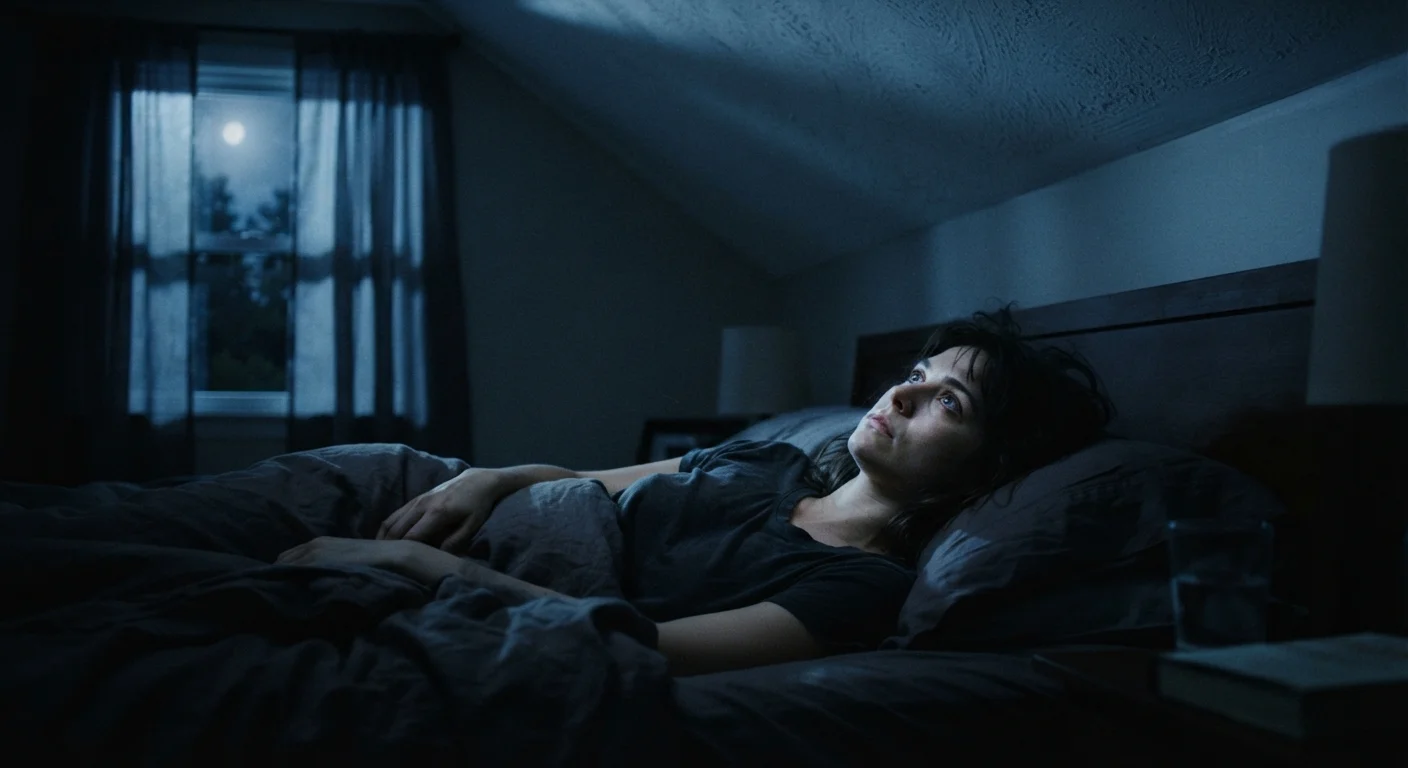
Sleep is far more than passive rest. As explained in our overview of sleep science, the brain cycles through active biological processes overnight that are essential for emotional regulation, memory consolidation, and hormonal balance. When those processes are interrupted or cut short, the consequences extend well beyond grogginess.
One of the most studied effects involves the amygdala - the almond-shaped structure deep in the brain that processes perceived threats and triggers the fight-or-flight response. Neuroimaging studies have found that sleep-deprived brains show up to 60% greater amygdala reactivity to negative or threatening stimuli compared with well-rested brains. Meanwhile, the prefrontal cortex - the region responsible for rational thinking and emotional braking - shows reduced connectivity with the amygdala after poor sleep. The result is a brain with an overactive alarm system and a weakened off switch.
Sleep Loss vs. Anxiety Disorder: An Important Distinction
Anxiety-like symptoms caused primarily by sleep deprivation typically improve meaningfully with restored sleep. A clinical anxiety disorder, by contrast, persists independently of sleep quality and requires its own evaluation and treatment. If you are unsure which applies to you, a qualified mental health professional or physician is the appropriate resource - self-diagnosis based on symptom overlap alone is unreliable.
The Hormonal and Chemical Cascade
Beyond brain structure, sleep loss triggers measurable hormonal changes that further fuel anxiety-like states. Cortisol, the body's primary stress hormone, follows a natural rise-and-fall rhythm aligned with the sleep-wake cycle. Disrupted sleep - especially losing the final hours of the night, which are rich in REM sleep - can elevate cortisol levels into the following day, keeping the body in a prolonged state of low-grade physiological stress.
Norepinephrine, a neurotransmitter involved in alertness and the stress response, also increases with sleep deprivation. At elevated levels, it contributes to the racing-heart, hypervigilant feeling that so closely mirrors anxiety. Meanwhile, levels of GABA - a calming neurotransmitter - may fall, reducing the brain's natural capacity to self-soothe.
This biochemical environment doesn't merely feel stressful - it is a stress state, one that the body struggles to distinguish from external threat.
Why the Symptoms Overlap So Strongly
Anxiety and sleep deprivation share a striking symptom overlap: racing or intrusive thoughts, difficulty concentrating, physical tension, irritability, and a nagging sense that something bad is about to happen. This is not coincidence - the two states activate overlapping neural and hormonal pathways.
Research published in journals including Nature Human Behaviour has found that sleep loss reliably increases anticipatory anxiety - the brain's tendency to predict and brace for negative future events. This kind of forward-projecting worry is a hallmark of generalized anxiety disorder, and it appears to arise from the same amygdala-prefrontal imbalance created by poor sleep.
Importantly, this also works in reverse. Anxiety raises baseline arousal levels, making it harder for the nervous system to settle into restorative sleep - creating a feedback loop where each condition reinforces the other. This bidirectionality helps explain why treating sleep problems often reduces anxiety symptoms, and vice versa.
“Sleep loss does not simply make us tired - it fundamentally shifts the brain into a state of emotional irrationality, amplifying negative reactions and dampening our ability to regulate them.”
— Matthew Walker, Neuroscientist and sleep researcher, author of 'Why We Sleep'
Practical Strategies to Break the Cycle
Understanding the biology offers a clear implication: improving sleep is one of the most direct, evidence-based levers available for managing emotional reactivity. The following approaches are broadly supported by sleep research:
- Consistent sleep and wake times - Anchoring your schedule helps regulate cortisol rhythms and improve sleep architecture.
- Limiting stimulants and screens before bed - Caffeine and blue-light exposure can delay the release of melatonin, the hormone that signals sleep onset.
- Cognitive behavioral strategies for worry - Writing down concerns earlier in the evening - sometimes called a "worry dump" - can reduce bedtime rumination by offloading anxious thoughts before they interfere with sleep.
- Slow, deliberate breathing - Techniques such as diaphragmatic breathing engage the parasympathetic nervous system, counteracting the norepinephrine-driven arousal that poor sleep leaves behind.
It's also worth noting that sleep deprivation affects cognitive functions beyond mood - including reaction time and decision-making. These impairments have real-world consequences, as explored in our piece on how drowsy driving affects your reactions.
This article is for general informational and educational purposes only and is not a substitute for professional medical or mental health advice. If you are experiencing persistent anxiety, sleep difficulties, or related symptoms, please consult a qualified healthcare provider.