
Why Readers Drift Away (And Why It's Not a Failure)
Almost every reader has lived through a long stretch where the books just stopped. A job changed, a relationship shifted, a baby arrived, a screen took over - and somewhere in the shuffle, reading quietly slipped off the schedule. Months passed. Then a year. Then more.
This isn't a character flaw. It's a nearly universal experience. Reading requires something increasingly rare in modern life: uninterrupted, unhurried attention. When life gets loud, that kind of mental space is often the first thing surrendered. Recognizing that drift as ordinary - rather than evidence of some personal failing - is actually the first step toward coming back.
The comparison to other habits is useful here. Just as returning to exercise after a long break requires a gentle re-entry rather than a full sprint, returning to reading works best when it starts small and forgiving.
Lowering the Bar: How to Start Without Pressure
The most common mistake returning readers make is setting an ambitious goal right out of the gate - a book a week, thirty minutes a night, finishing a dense classic. These targets feel motivating in the abstract but quickly generate guilt when real life intervenes.
A more durable approach: start embarrassingly small. Five minutes counts. Two pages counts. Reading one short essay or a single chapter of a light novel counts. The objective at this stage isn't volume; it's reacquainting your brain with the act of settling into words.
Start with five minutes, not fifty
When returning to reading, resist the urge to set ambitious daily targets. A consistent five-minute session every day builds the neural groove of the habit far more effectively than an hour-long session once a week. Once reading feels natural again, longer sessions tend to happen on their own.
Understanding why streaks collapse in the first place can help you avoid common traps. The article on why reading streaks break down explores the real culprits - and what actually keeps momentum going - in useful detail.
Choosing the Right First Book Back
The book you pick first matters more than most people realize. It sets the emotional tone for your return. A dense, demanding novel that you feel you should read might sit on the nightstand untouched for weeks. A story that genuinely excites you will pull you back to it naturally.
Ask yourself: what genre have I always found hard to put down? What kind of story do I remember losing track of time inside? Start there, not with the prestigious doorstop on your shelf. Short books, page-turners, narrative nonfiction, short story collections - all of these lower the friction of re-entry considerably.
If choice itself feels paralyzing, the guide on choosing your next book without falling into decision paralysis offers practical frameworks for making a confident pick when your reading list feels overwhelming.
Building the Habit Around Your Real Life
A habit isn't something you find time for - it's something you attach to time that already exists. Look at your day for small, reliable pockets: the first coffee of the morning, a lunch break, the twenty minutes before sleep. Pairing reading with an existing ritual makes it far stickier than treating it as a standalone task.
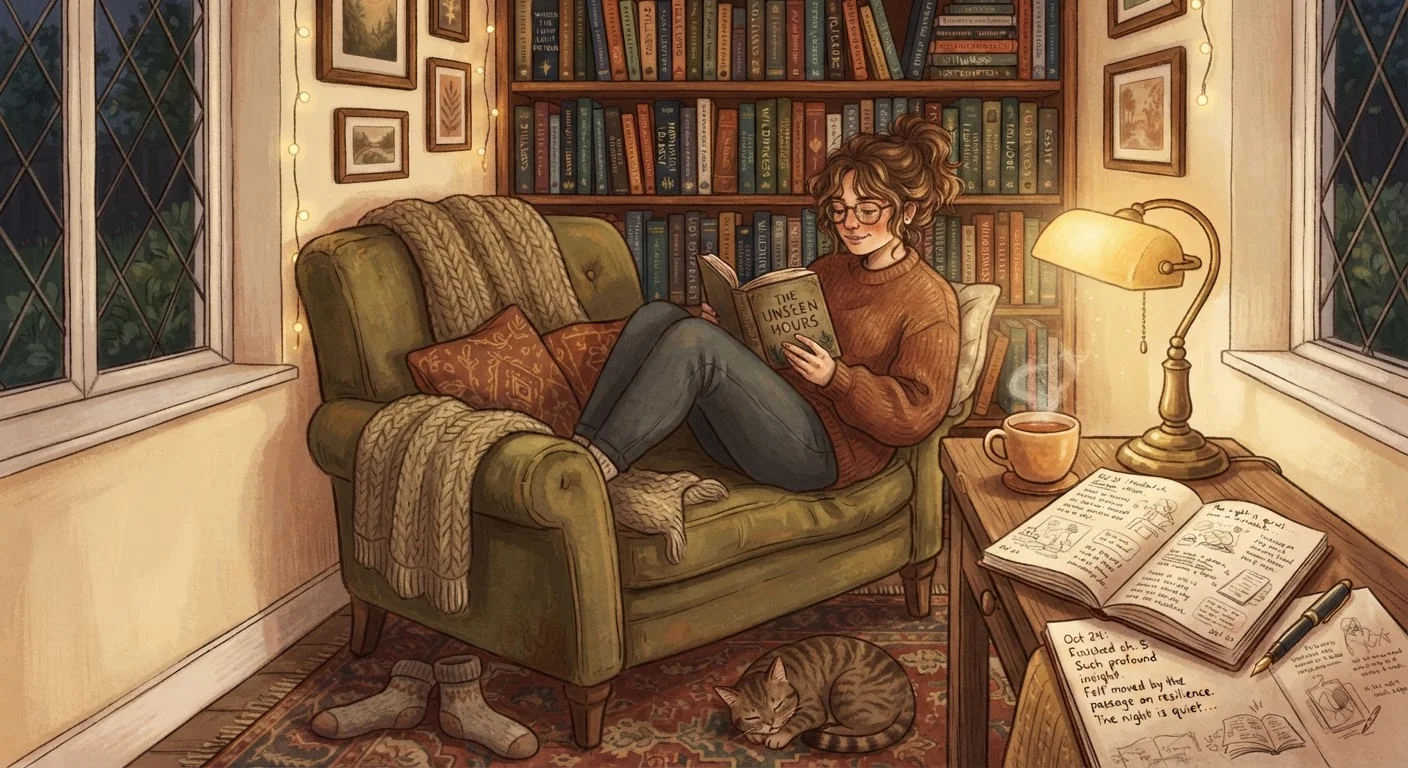
Your environment helps too. Keeping a book visible - on the kitchen table, beside the bed, in a bag - removes the friction of having to retrieve it. A comfortable, dedicated reading spot can subtly signal your brain that it's time to slow down and focus.
For a fuller picture of what makes a reading routine last, the guide on the anatomy of a sustainable reading habit covers everything from mindset to environment in practical terms.
When Motivation Dips Again
Even after the habit is re-established, motivation will dip. That's not a warning sign - it's just how habits work. The readers who stay consistent aren't those who feel inspired every day; they're the ones who have a plan for the low-motivation moments.
A few strategies that help: keeping a running list of books you're genuinely curious about (so there's always a next one ready), letting yourself abandon books that have stopped working, and leaning on formats like audiobooks during stretches when sitting down with print feels impossible. The goal is to keep some form of contact with reading alive, even in reduced form.
It's also worth being thoughtful about the goals you set. Reading goals that actually reflect how you read can keep you engaged without creating the kind of pressure that pushed you away from books in the first place. And tracking what you've read - even loosely - can become its own quiet reward, as explored in the piece on making a reading log worth keeping.
Coming back to reading is rarely a single dramatic moment. It's a series of small, low-pressure choices that slowly accumulate into something that feels, once again, like yours.